
Osafune Tomomitsu
A celebrated Bizen swordsmith, best known for forging the National Treasure Ōdachi preserved at Nikko Futarasan Shrine. This blade bears a distinguished provenance, having been passed down through the Kuroda family.
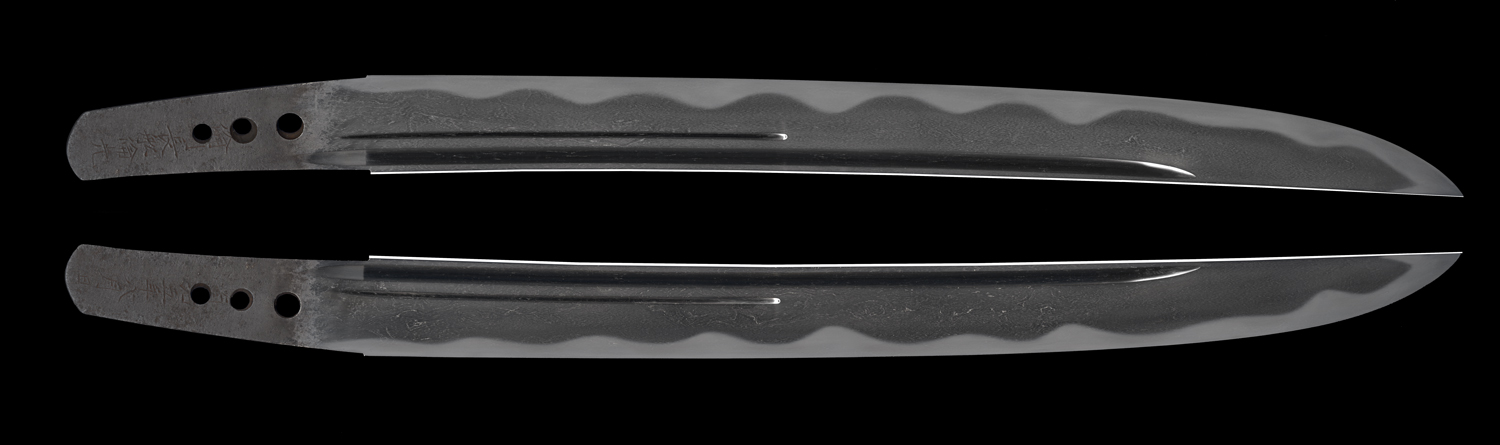
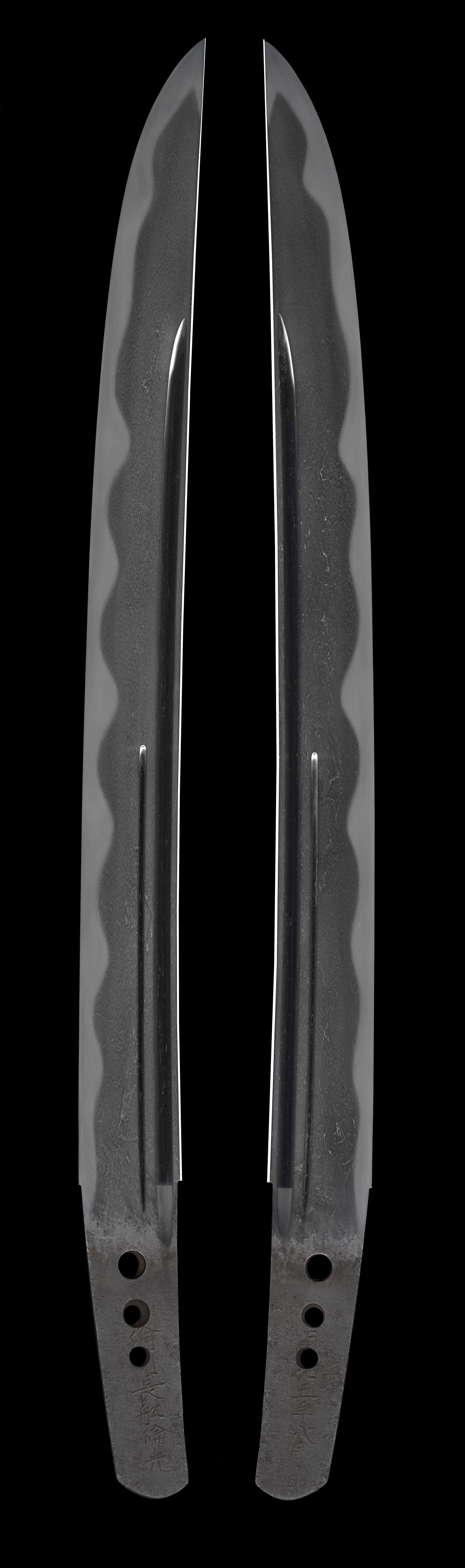
Wakizashi
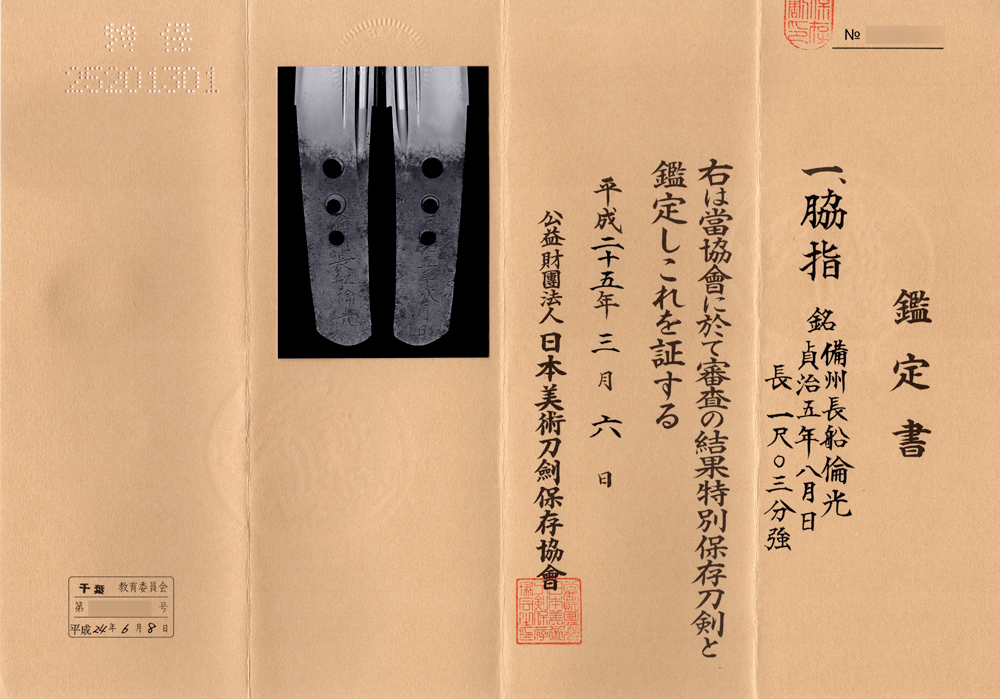
Signed: Bishū Osafune Tomomitsu
Dated: An auspicious day in the eighth month of the fifth year of Jōji (1366)
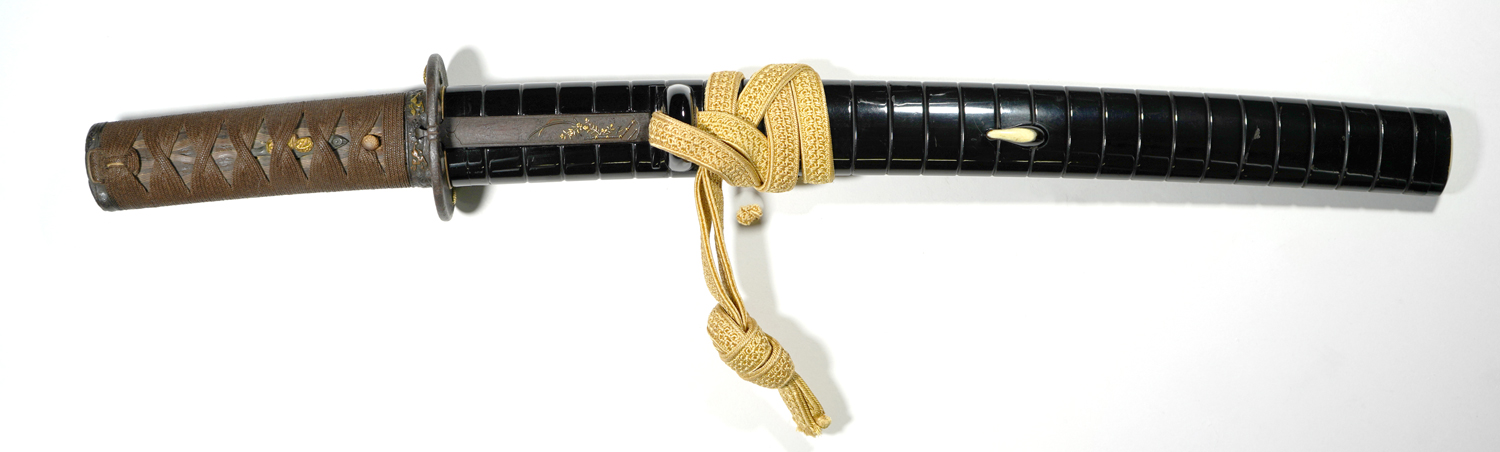
Accompanied by:
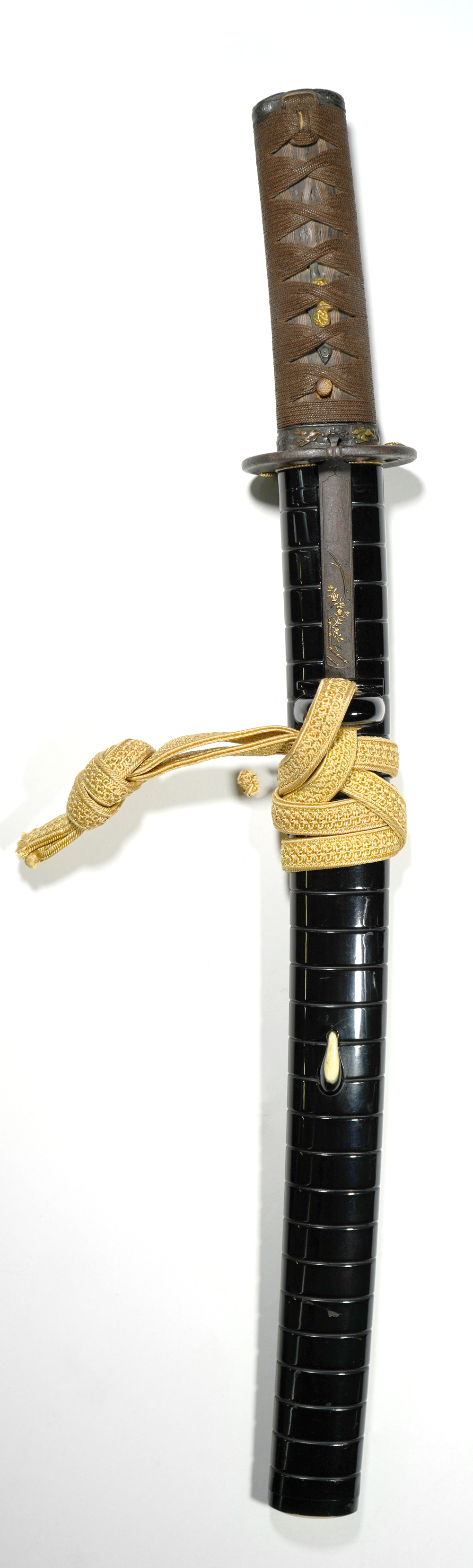
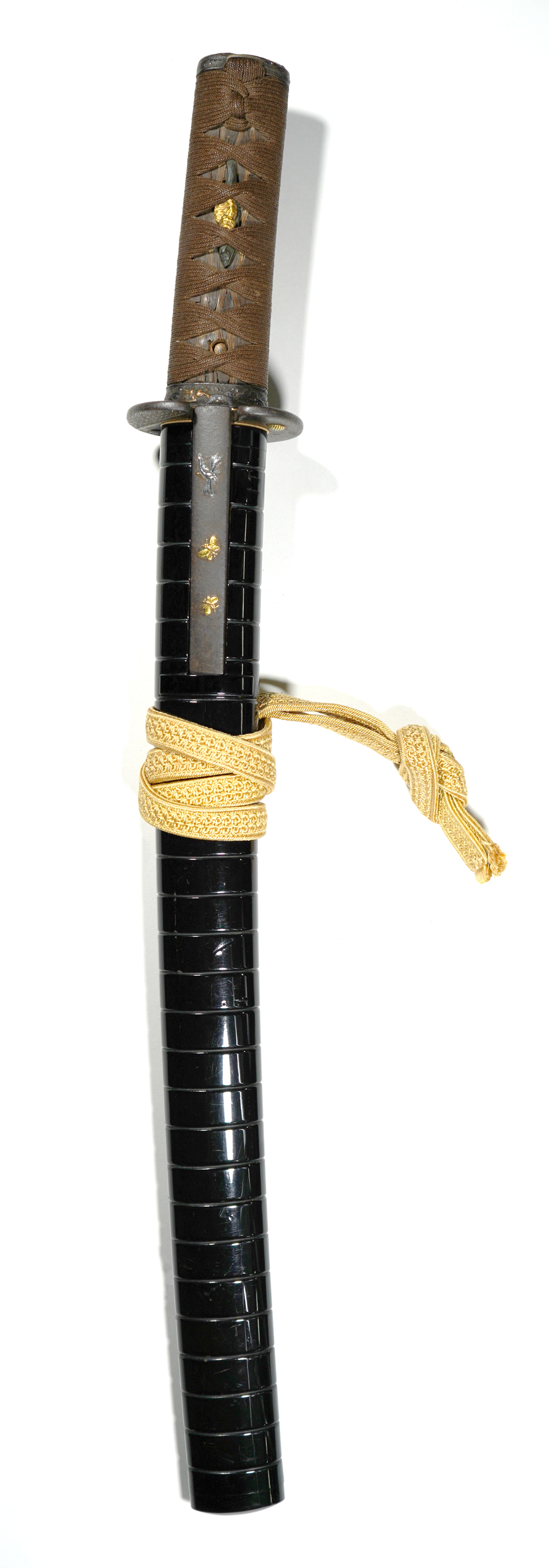
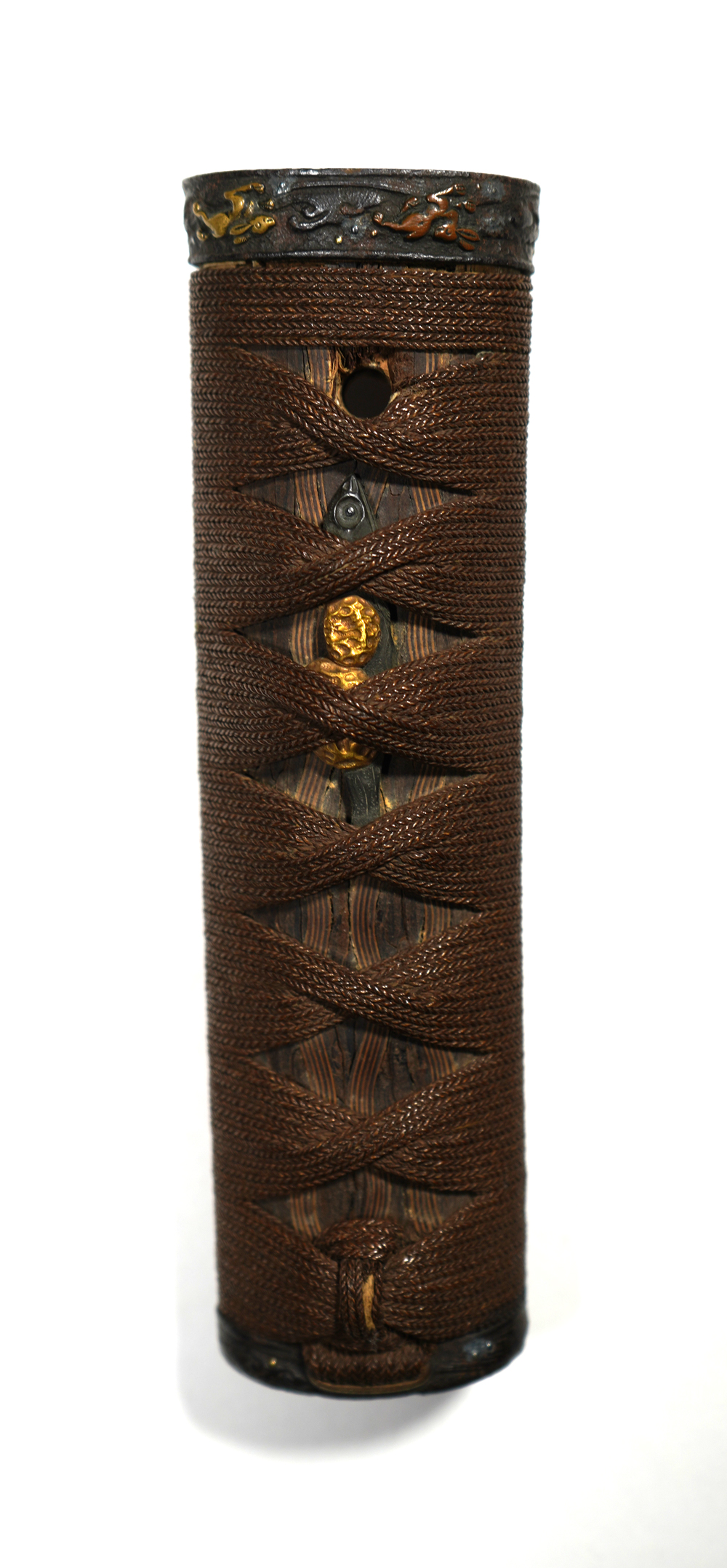
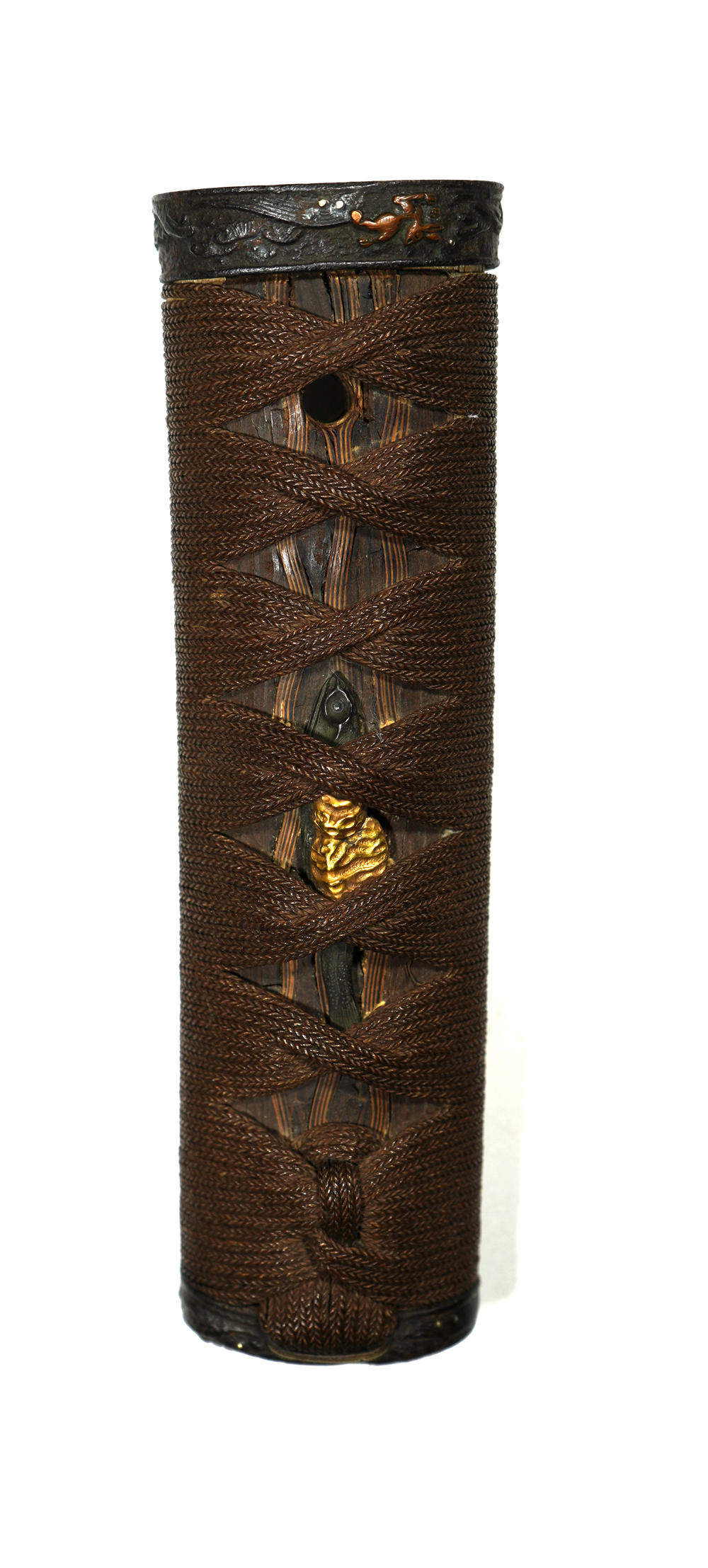
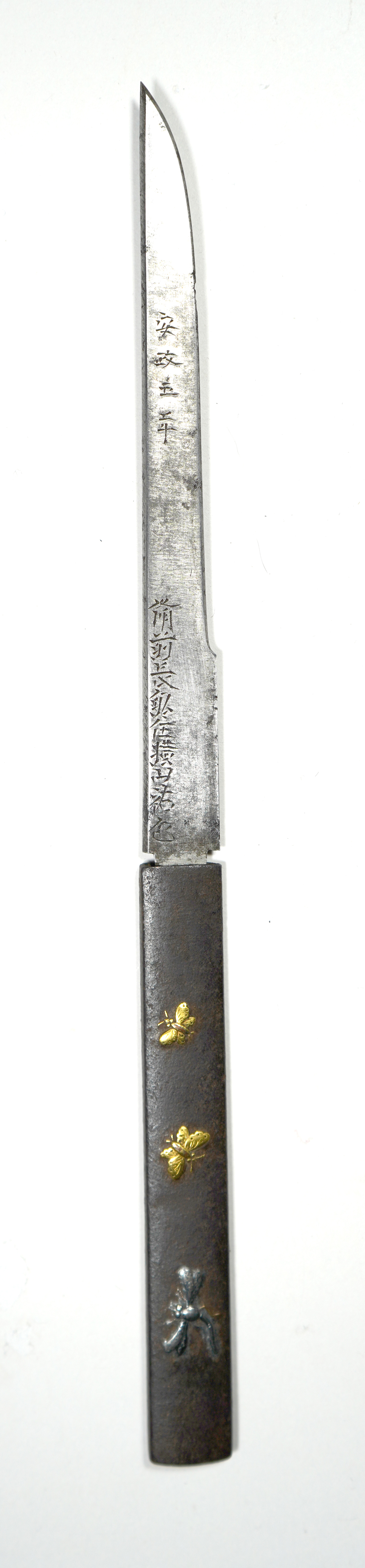
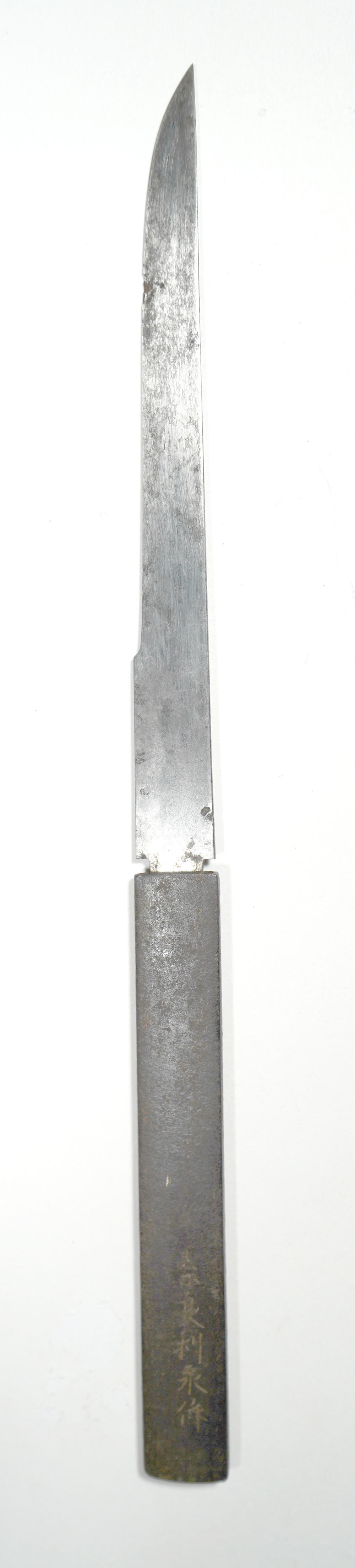
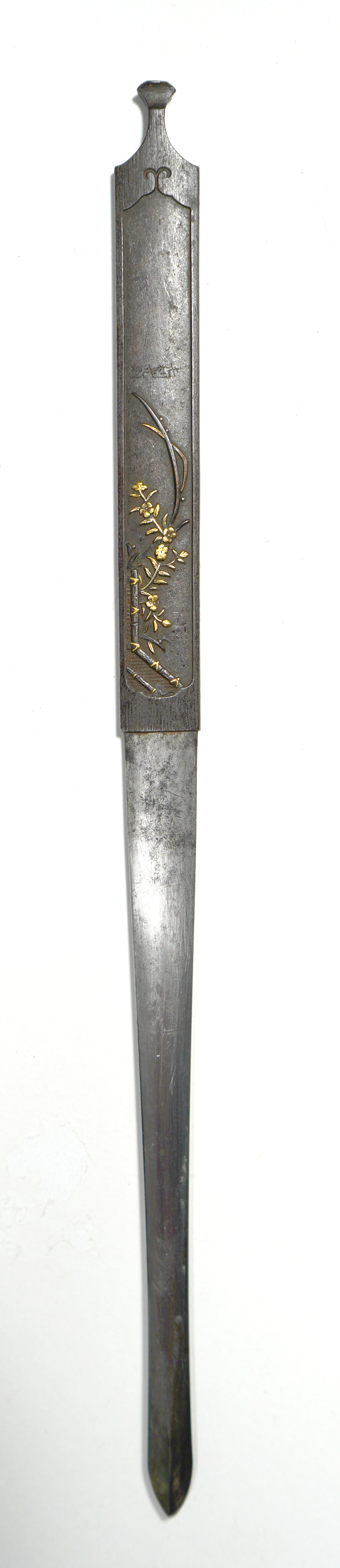
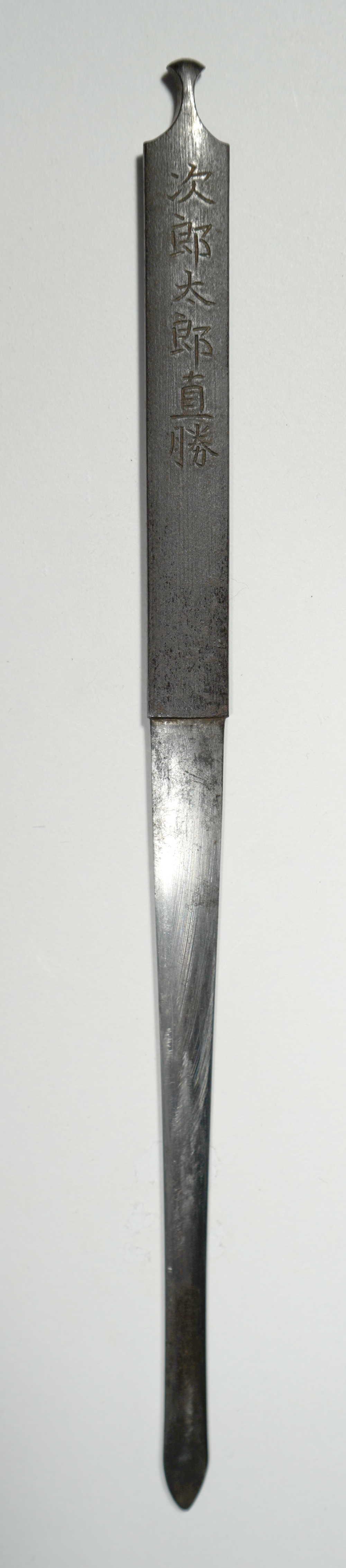
kurorousuri-nuri kizami-saya wakizashi koshirae.
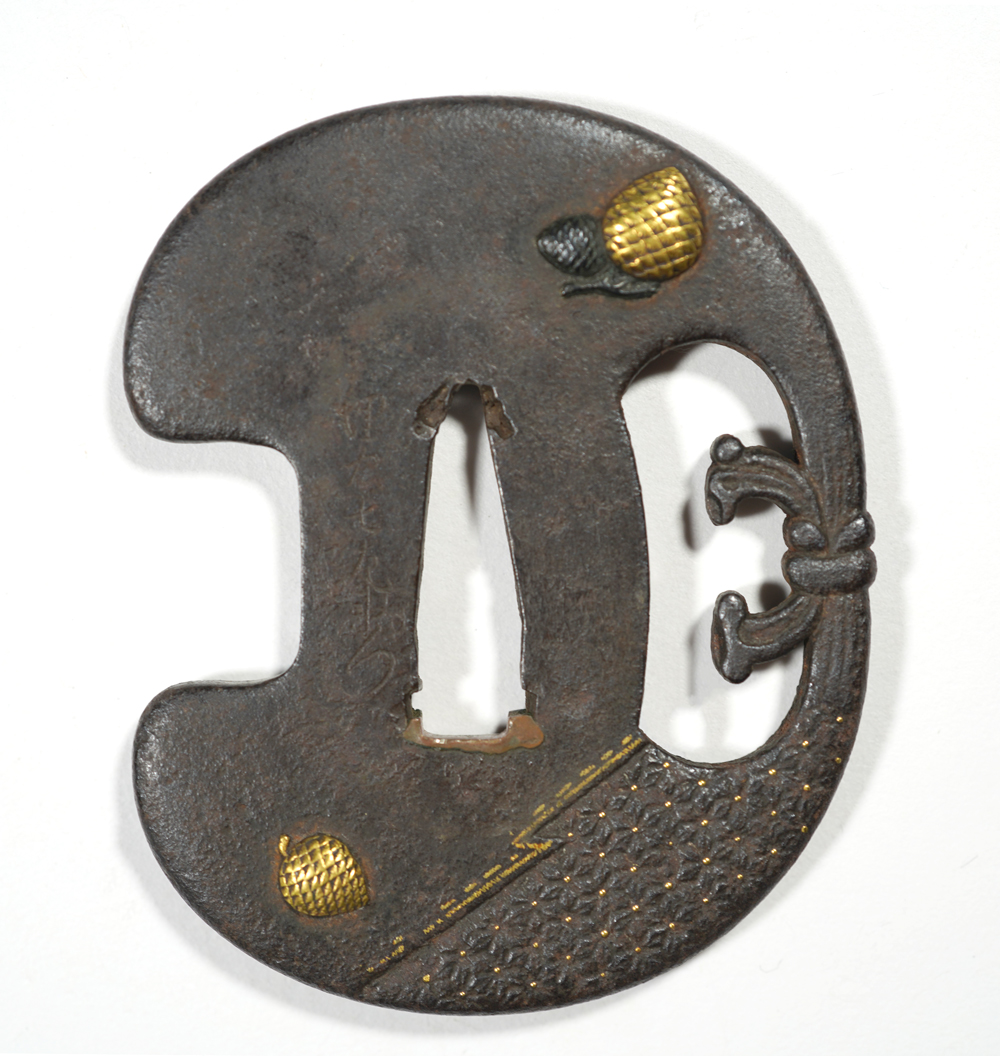
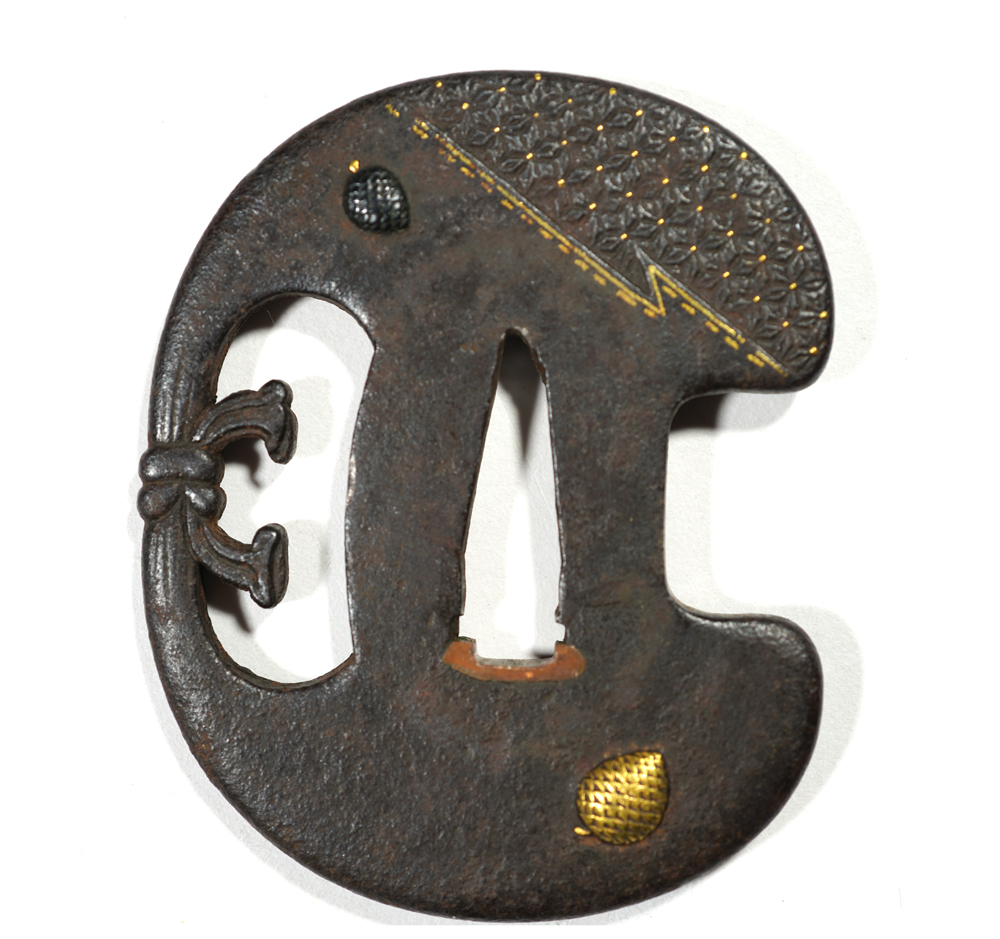
Tsuba: Signed Umetada Shichizaemon
Kozuka: Signed Nara Toshinaga saku ("Made by Nara Toshinaga")
Kōgai: Signed Jirōtarō Naokatsu
脇指
備州長船倫光
貞治五年八月日
| Item NO. | NO.K00263 | Price | 4,800,000JPY (Shipping not included.) |
|---|---|---|---|
| Paper | NBTHK Tokubetsu Hozon Paper (公財)日本美術刀剣保存協会 特別保存刀剣鑑定書 | ||
| Country | Bizen Province | ||
| Period | Nanbokuchō period, dated to an auspicious day in the eighth month of Jōji 5 (1366). | ||
| Blade Length | 31.5cm | ||
| Curve(Sori) | 0.3cm | ||
| Bottom Width (Motohaba) | 2.9cm | ||
| Bottom Thickness (Motokasane) | 0.5cm | ||
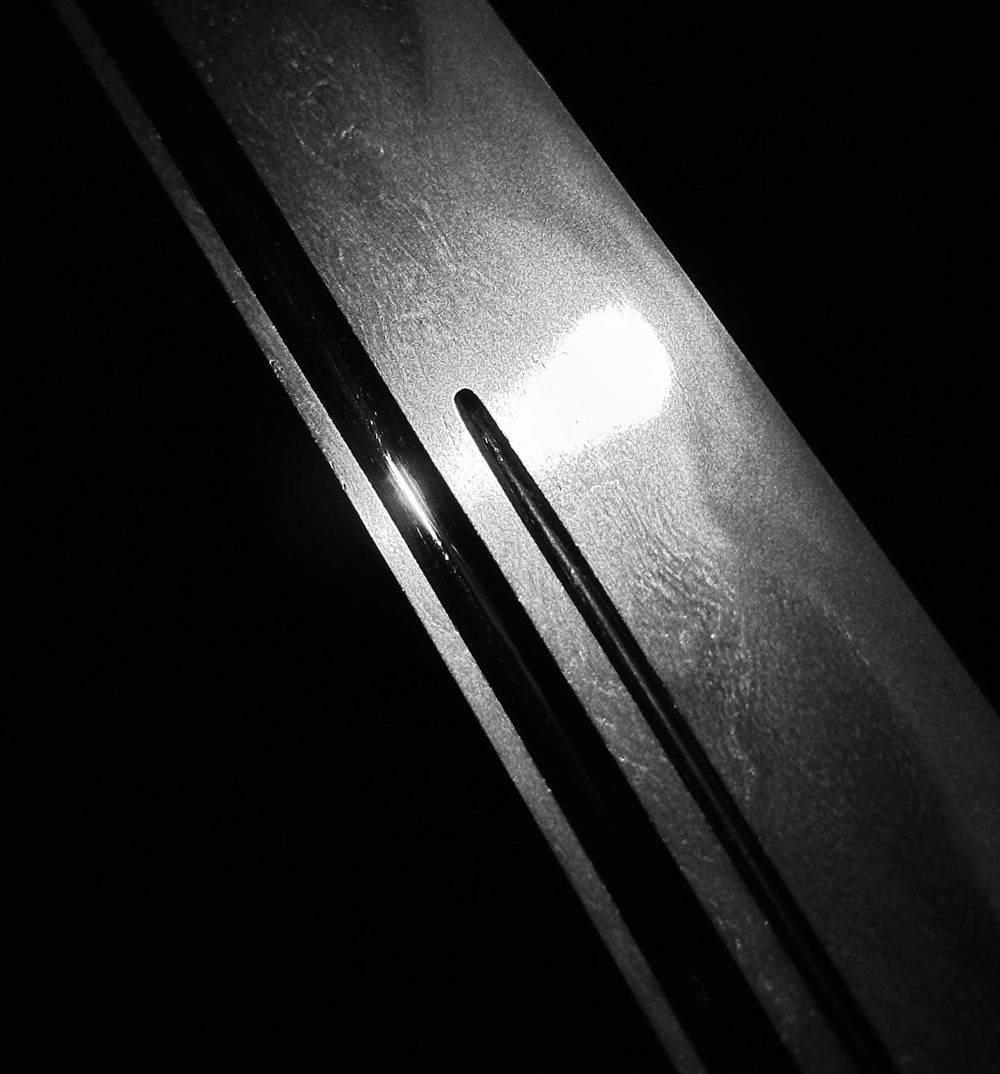
| Keijo | Hira-zukuri construction, with a wide mihaba (blade width), a thin kasane (blade thickness), and a slight curvature (sori). | ||
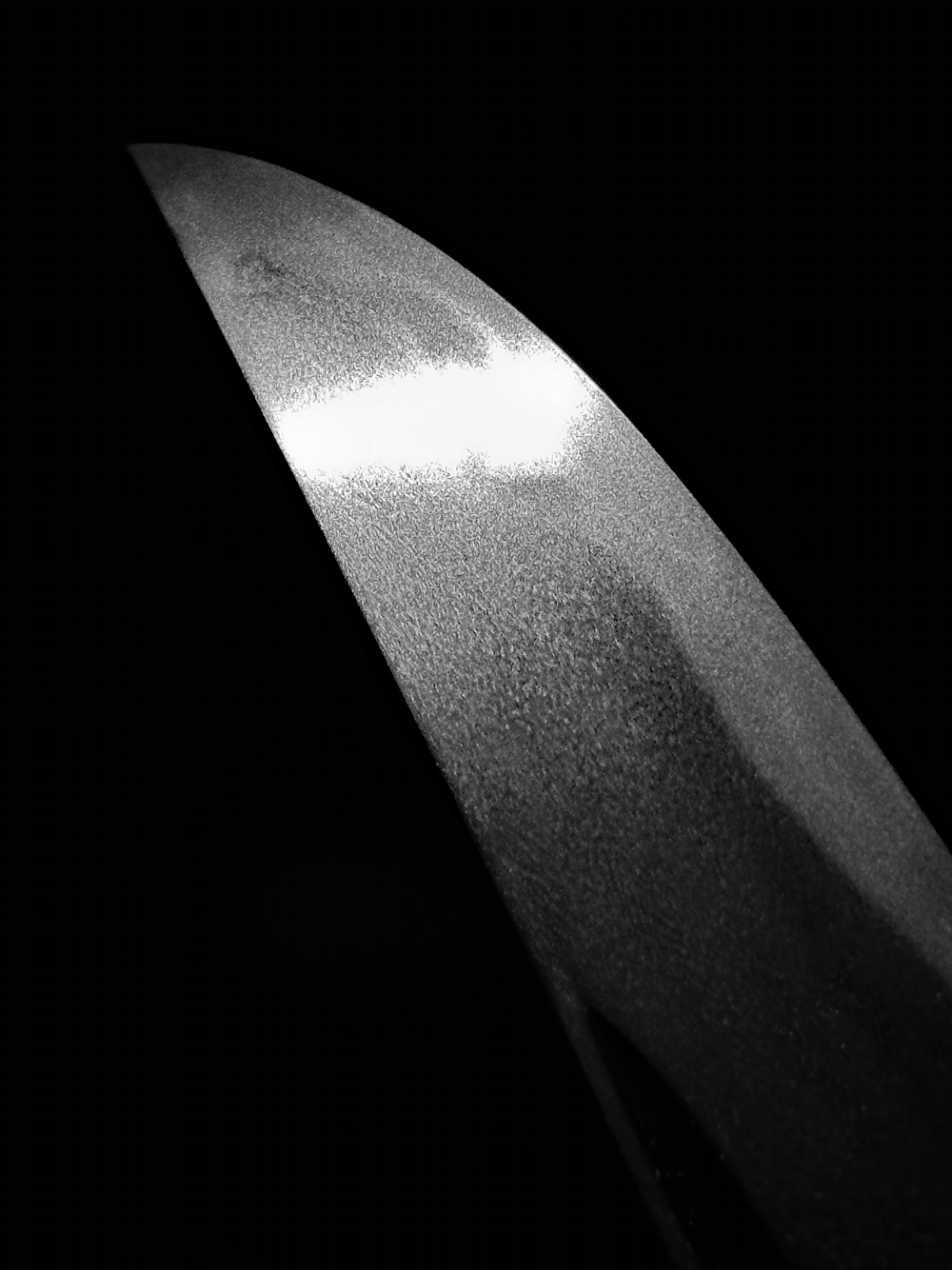
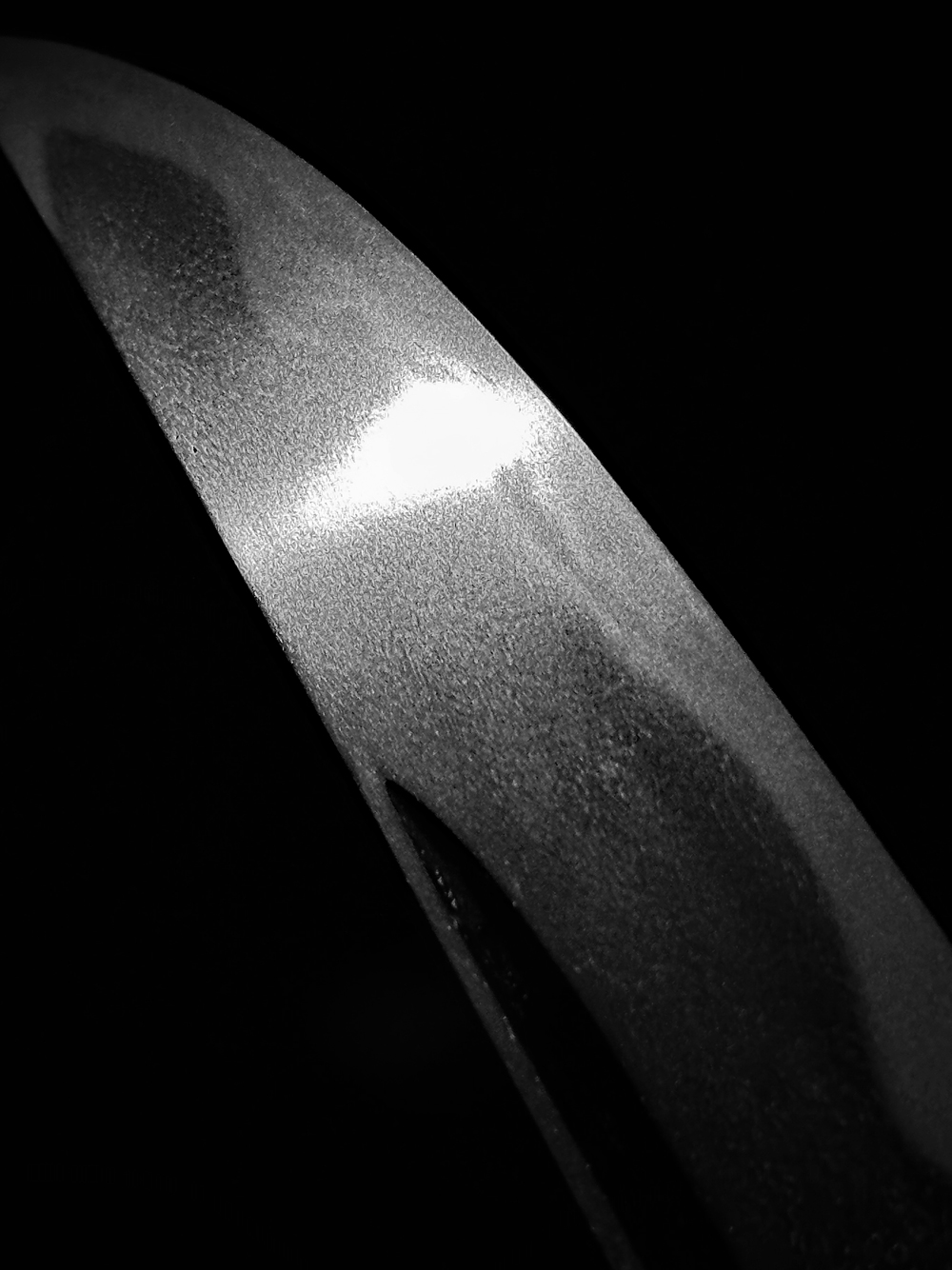
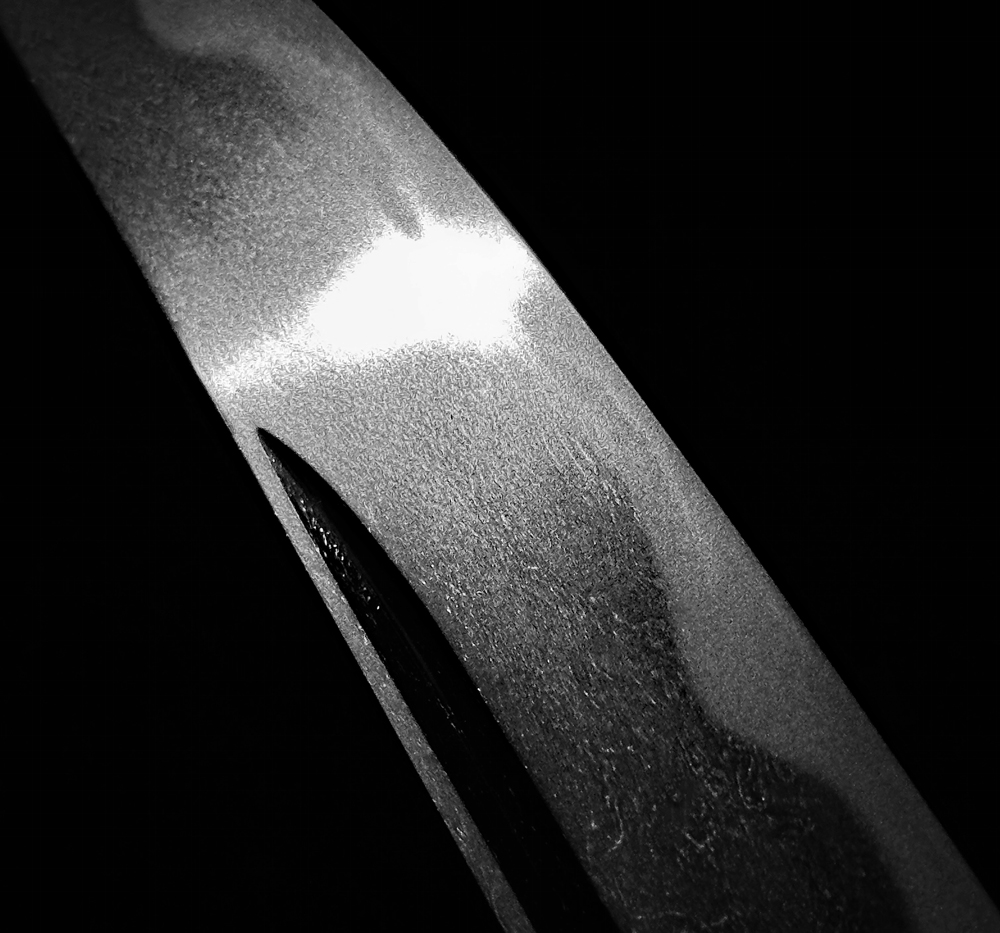
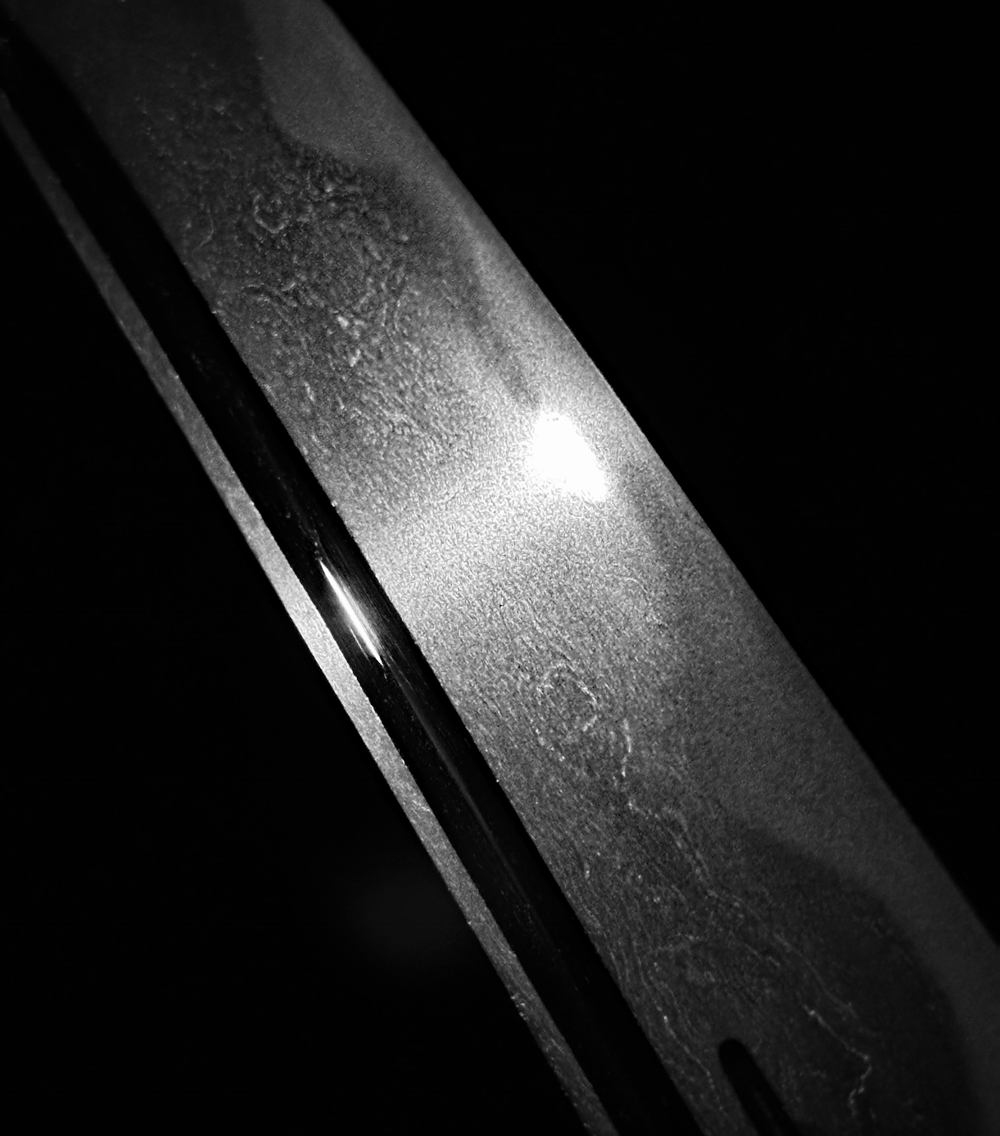
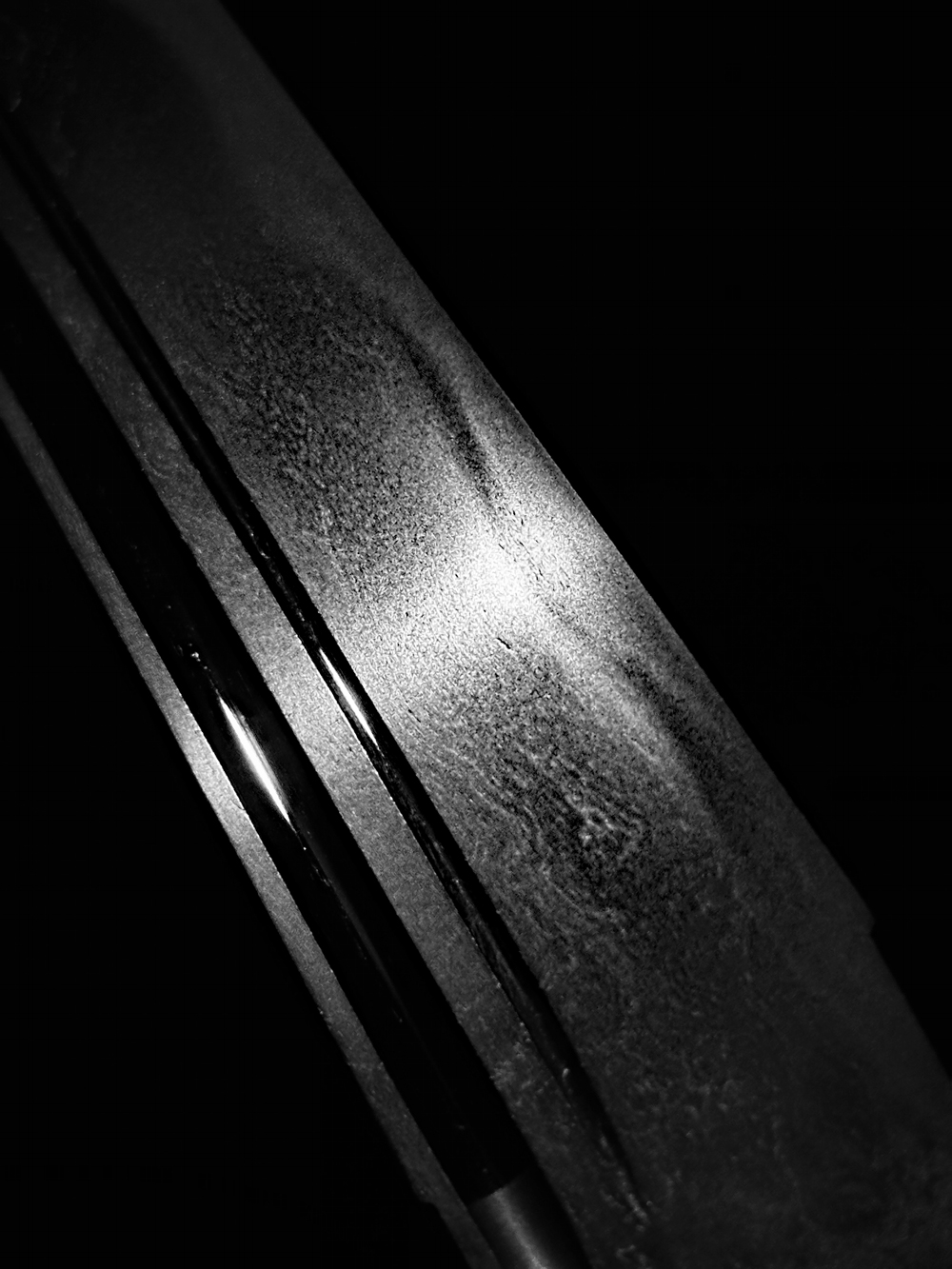
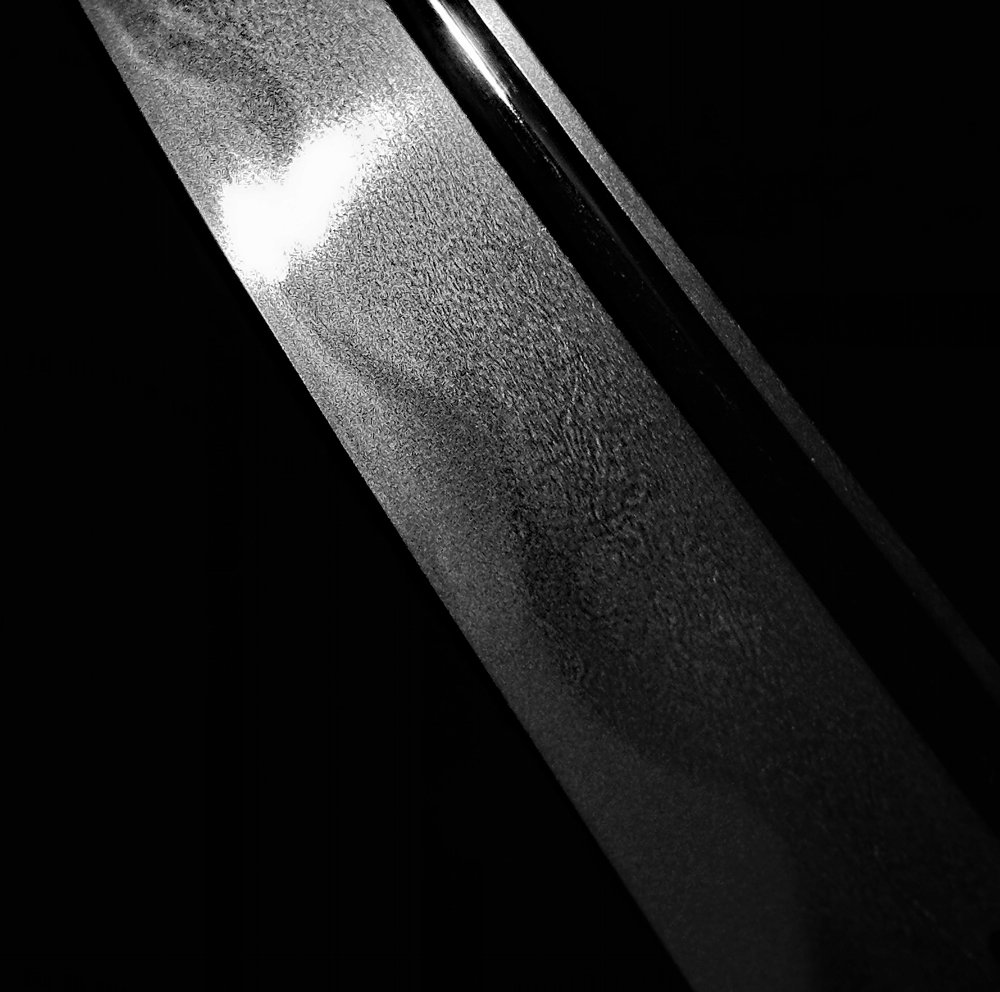
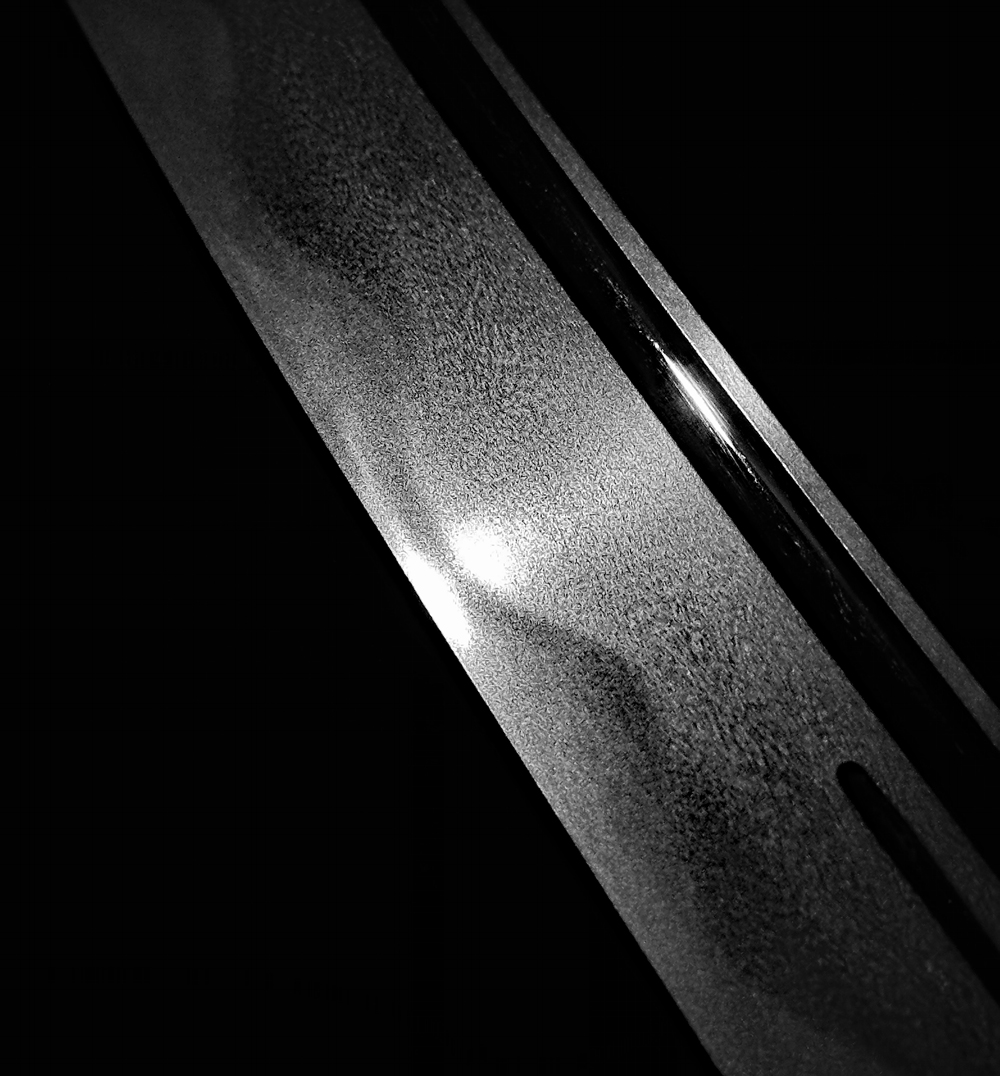
| Kitae | The jihada is predominantly itame mixed with mokume. Overall, the grain stands out distinctly, and the ji is covered with fine ji-nie. | ||
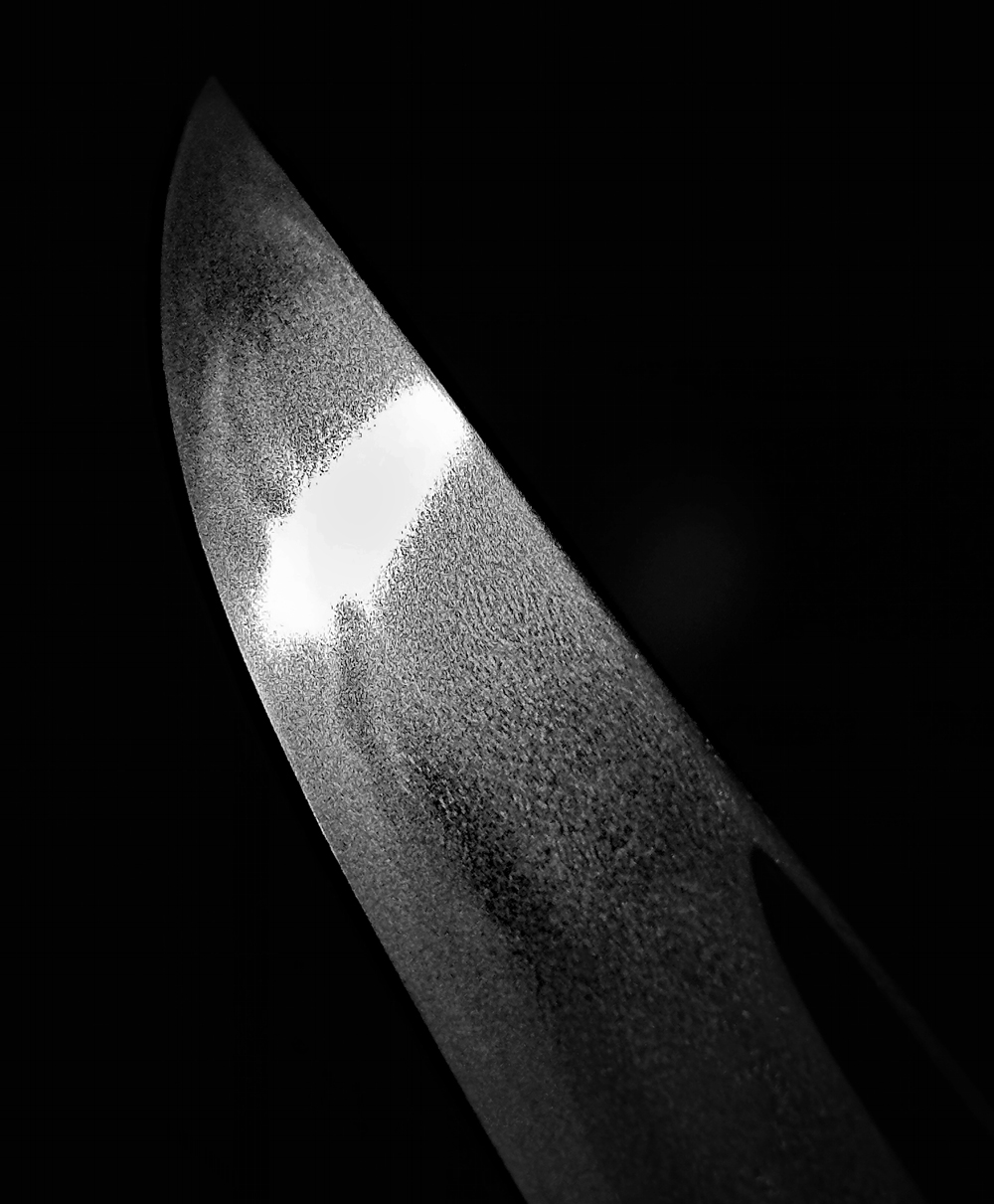
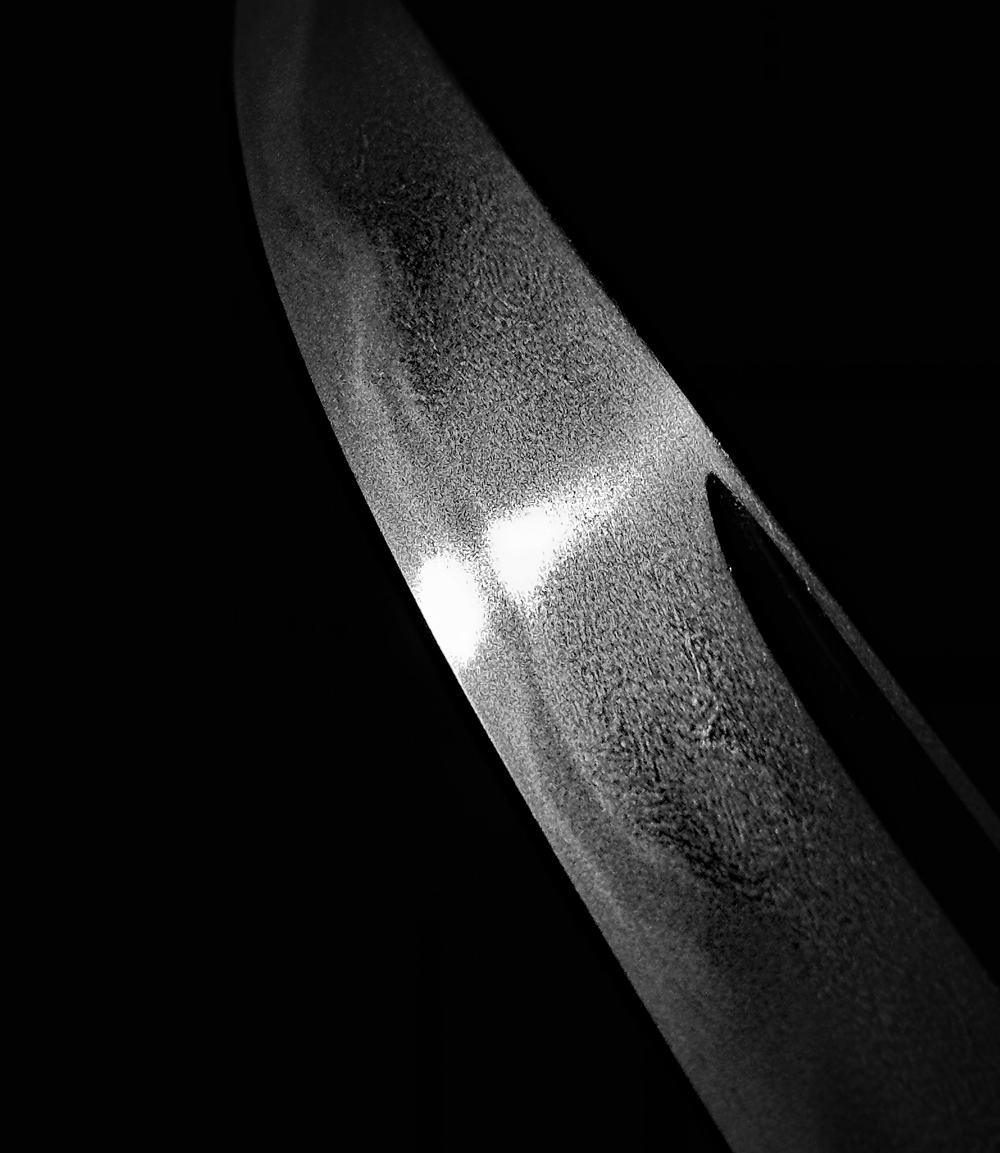
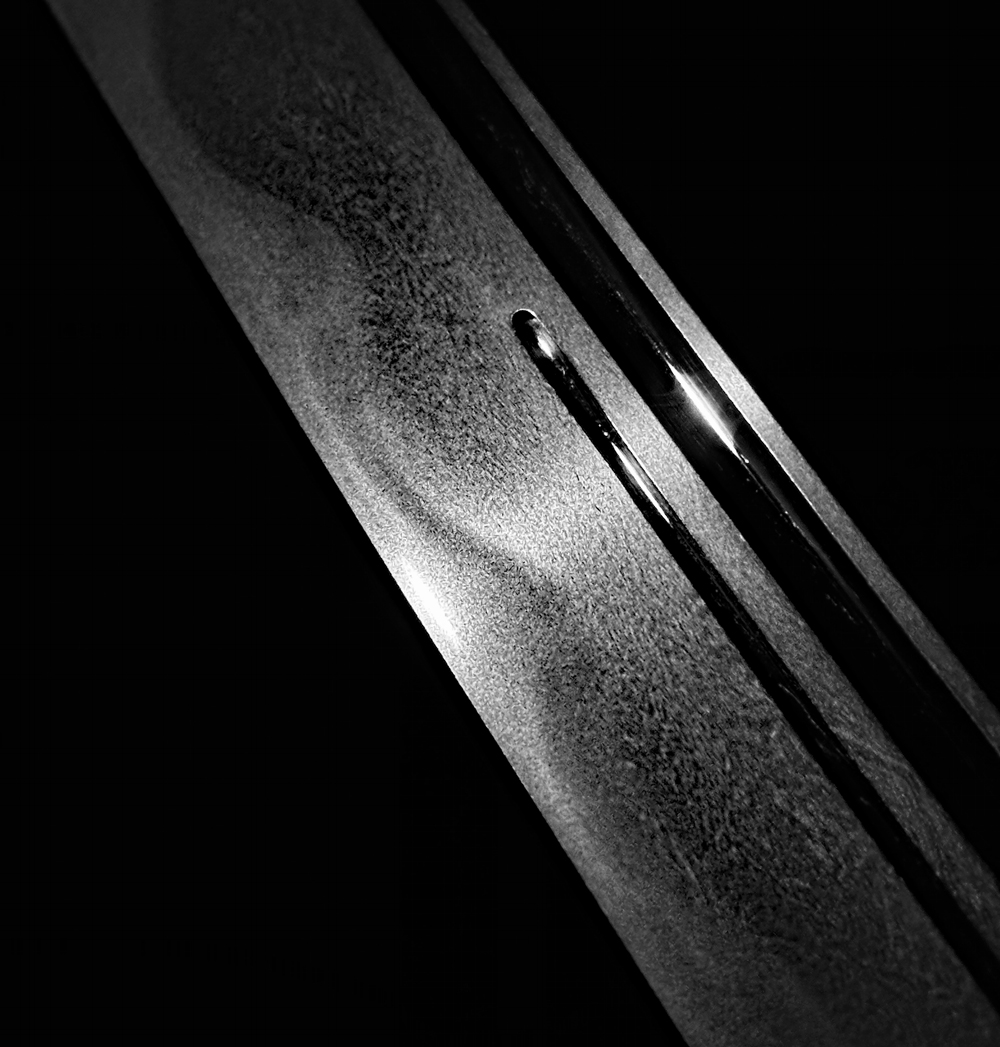
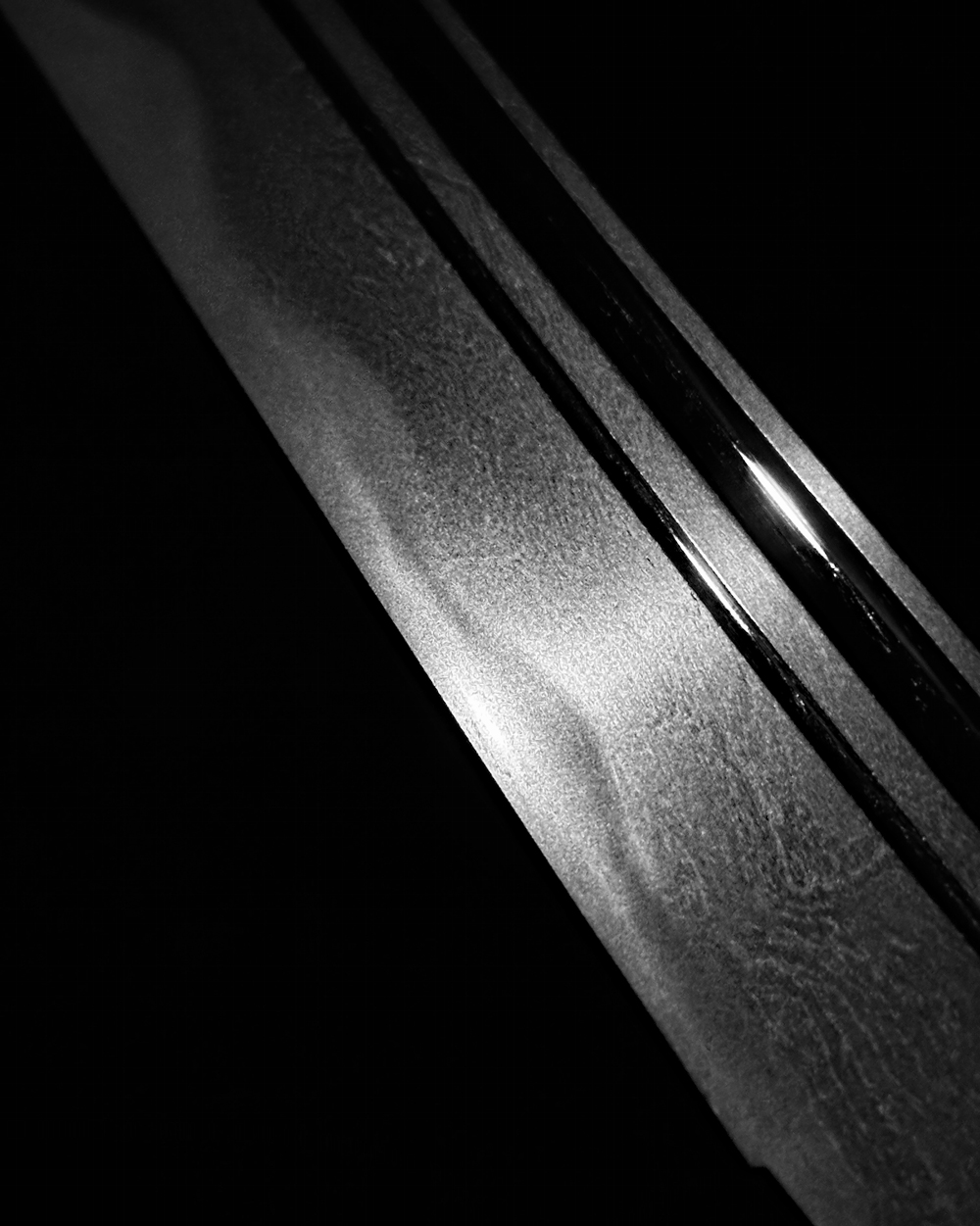
| Hamon | The hamon is a shallow notare mixed with small gunome in places. The nioiguchi is rather tight and accompanied by fine ko-nie. | ||
| Boushi | The bōshi is sugu, returning in a ko-maru and ending with a slightly pointed appearance. | ||
| Hori | On both sides, a bōhi with a soe-bi. | ||
| Nakago | Ubu; kurijiri with ha-agari; katte-sagari yasurime; three mekugi-ana. | ||
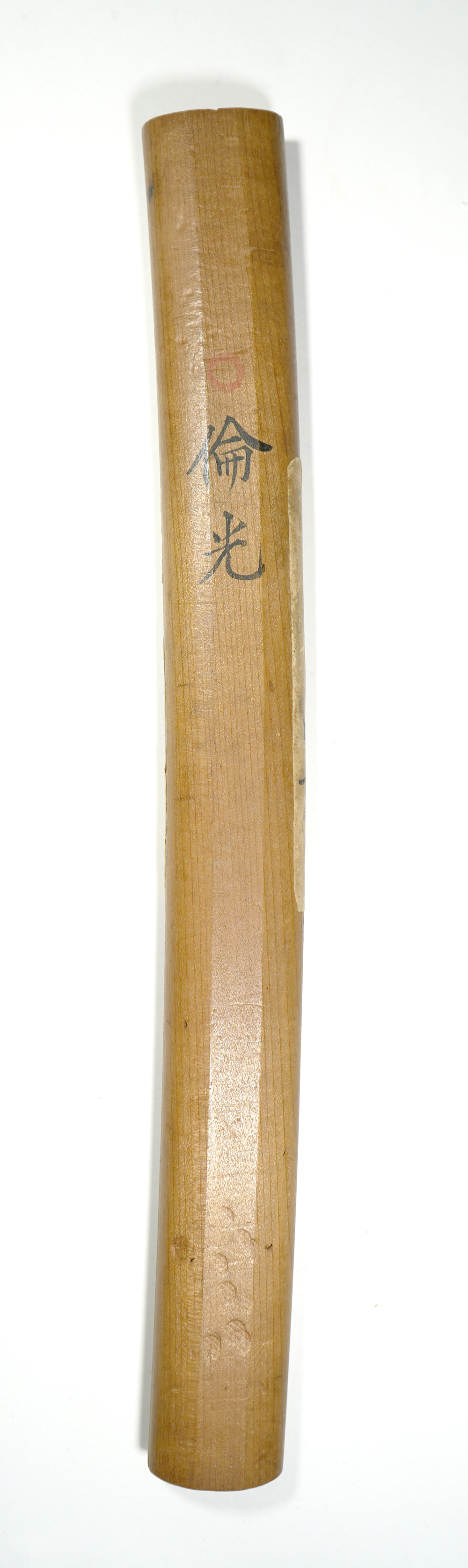
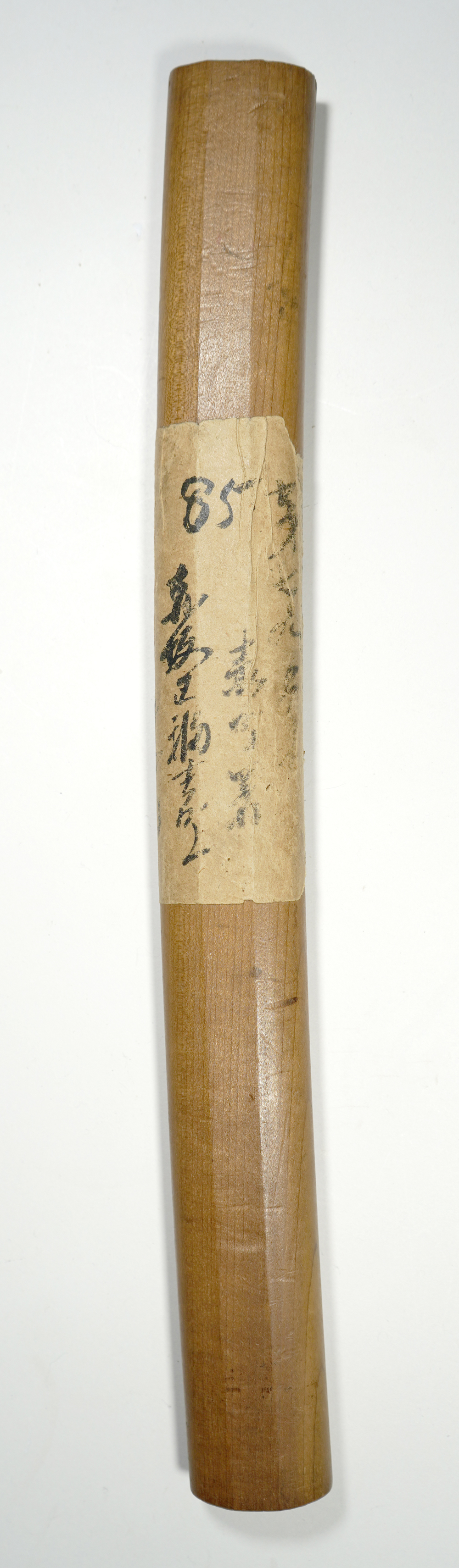
| Accessories | Shirasaya(白鞘)・Old saya with a Kuroda family sayagaki(古鞘)・Kurorourushi nuri kizami saya wakizashi Koshirae(黒呂漆塗刻鞘脇指拵)・Kinkise 2-jū habaki(金着二重鎺) | ||
| Details | Tomomitsu was a swordsmith of the Osafune school in Bizen Province during the Nanbokuchō period. He is generally regarded as one of Kanemitsu's foremost pupils, and some traditions even identify him as Kanemitsu's younger brother. Extant dated works by Tomomitsu range from the Jōwa era (1345–1350) to the Eiwa era (1375–1379). His works are distinguished by broad, graceful notare-based hamon, and among the Osafune tradition his style most closely resembles that of Kanemitsu. His technical skill is likewise considered to approach that of his master. This wakizashi is an excellent example of his workmanship. The hamon is composed of a shallow notare with small gunome appearing in places. The nioiguchi is slightly tight and accompanied by fine ko-nie, displaying a level of craftsmanship that closely approaches the finest works of Kanemitsu. |
||
| Accessories | Shirasaya(白鞘)・Old saya with a Kuroda family sayagaki(古鞘)・Kurorourushi nuri kizami saya wakizashi Koshirae(黒呂漆塗刻鞘脇指拵)・Kinkise 2-jū habaki(金着二重鎺) | ||
CONTACT
SEARCH
-
PERIOD LISTS
Koto|Shinto|Shinshinto|GendaitoPRICE LISTS
~¥500,000 JPY|¥510,000 JPY~¥1,000,000 JPY|¥1,010,000 JPY~¥2,000,000 JPY|¥2,010,000 JPY~¥3,000,000 JPY| ¥3,010,000 JPY~¥4,000,000 JPY|¥4,010,000 JPY~¥5,000,000 JPY|¥5,010,000 JPY~¥10,000,000 JPY|¥10,010,000 JPY~ |Please contact us -
PAPER LISTS
Important art appraisal|Others|No appraisalJpanese Swords
NBTHK Tokubetsu Jyuyo|NBTHK Jyuyo|NBTHK Tokubetsu Hozon|NBTHK HozonFittings
NBTHK Tokubetsu Jyuyo|NBTHK Jyuyo|NBTHK Tokubetsu Hozon|NBTHK Hozon