
A Masterpiece of Bitchu Aoe — Special Exhibition Piece
Exhibited at the Tokyo National Museum
Featured in the 2026 Dai Token-ichi Catalogue
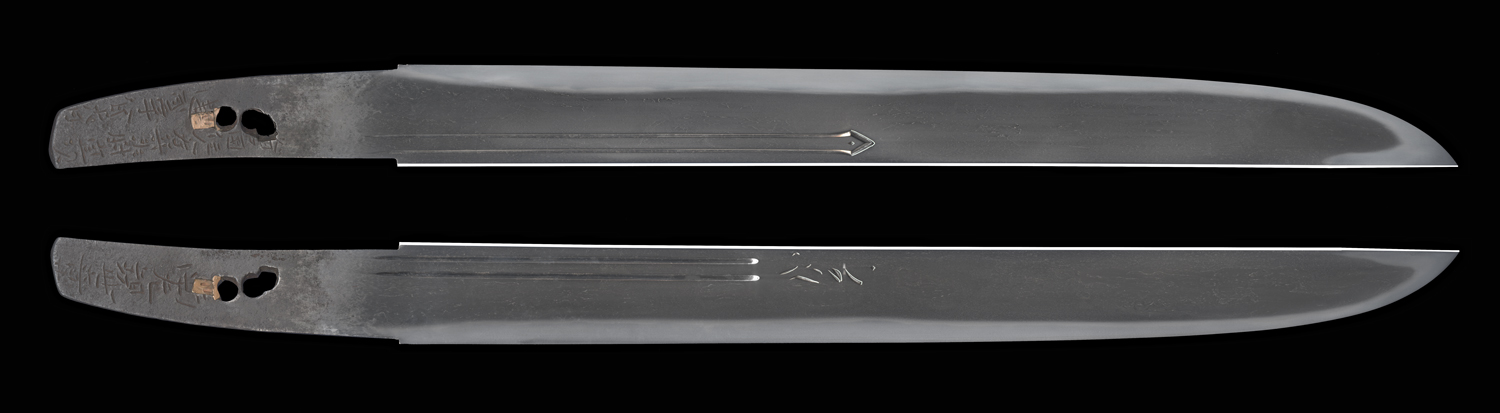
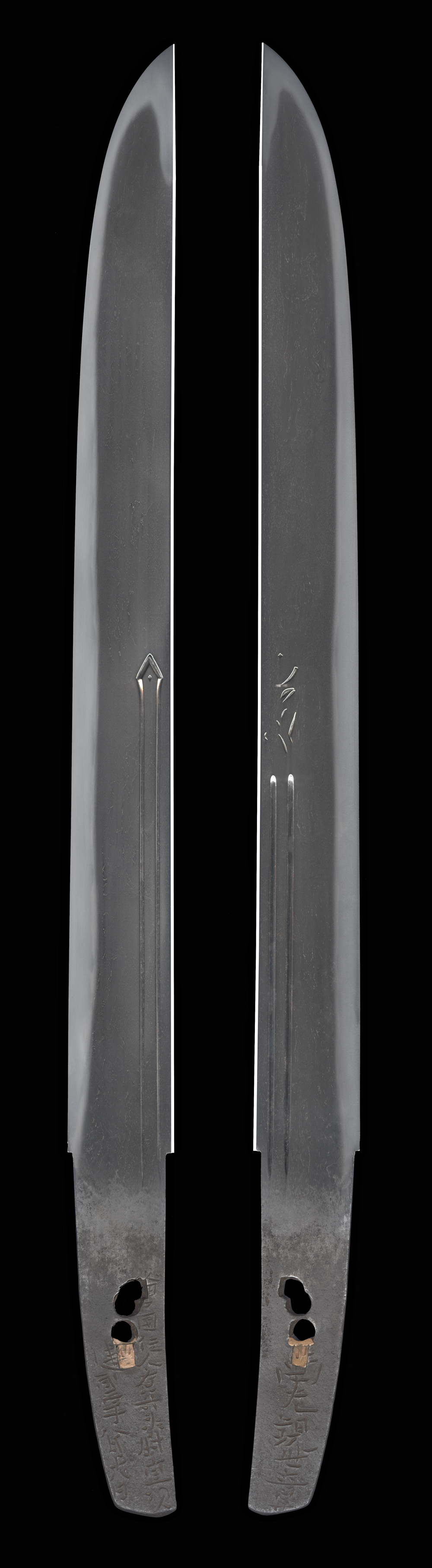
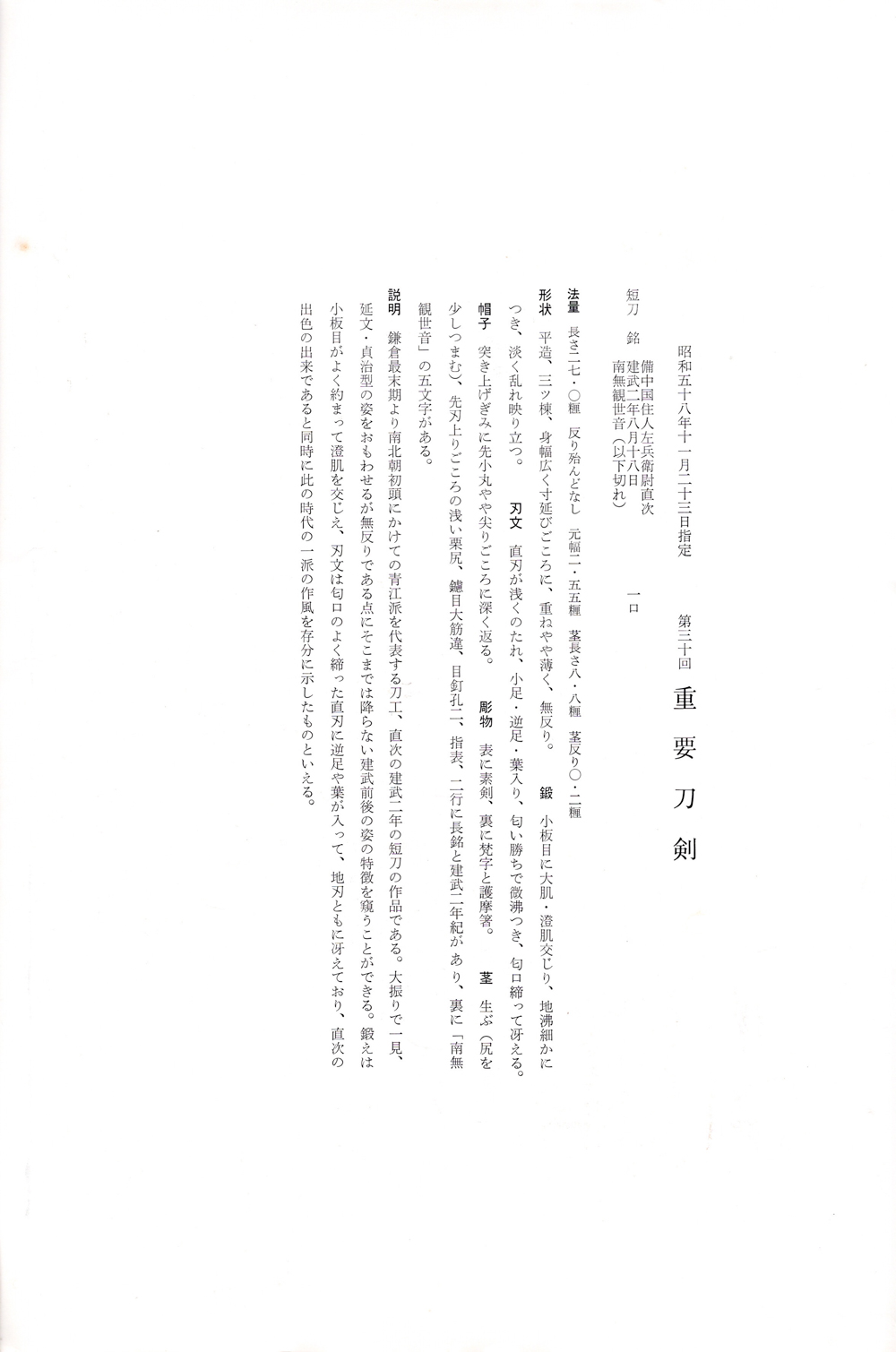
Tanto
Bitchū Province — Jōshū Saemon no Jō Naotsugu
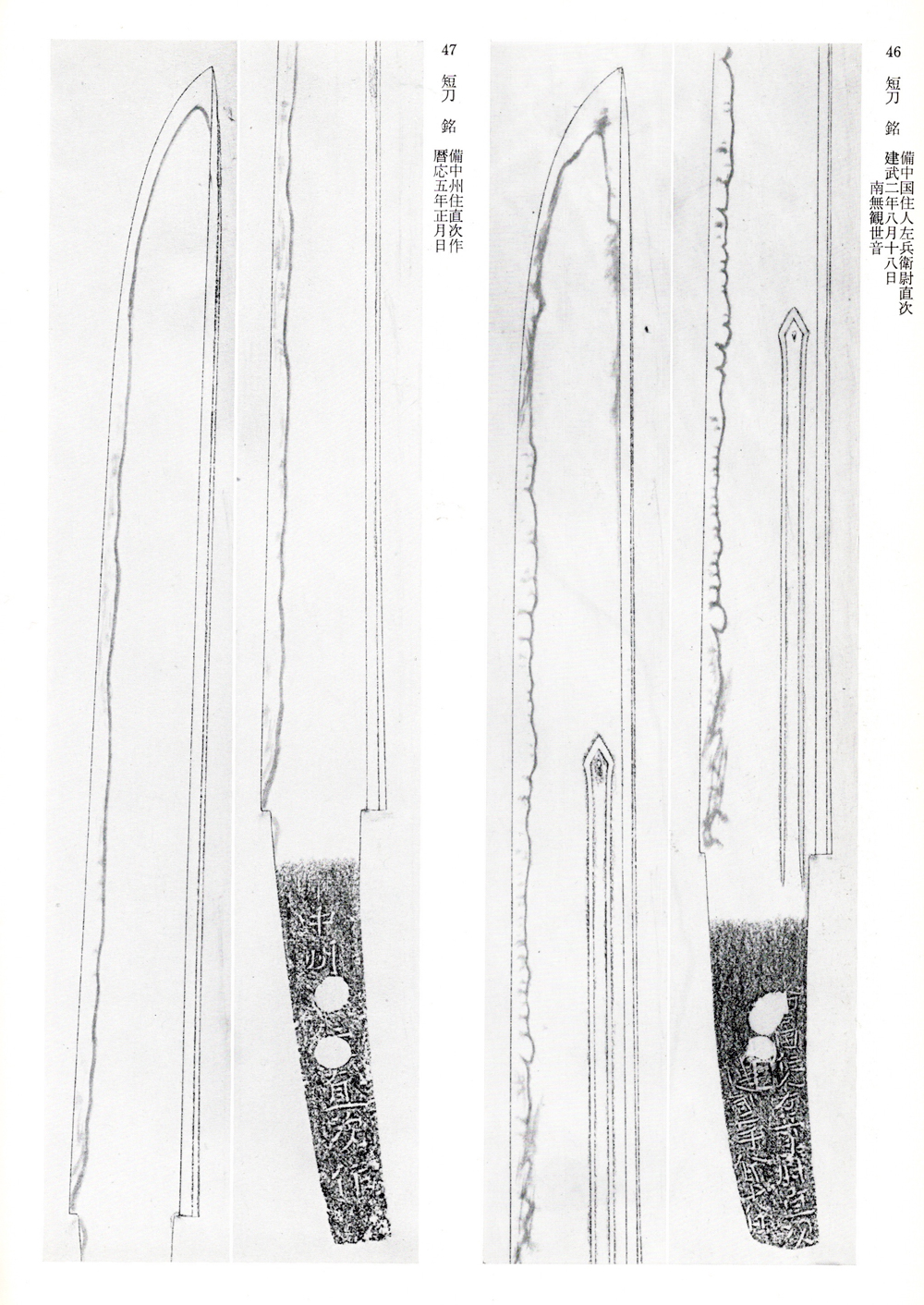
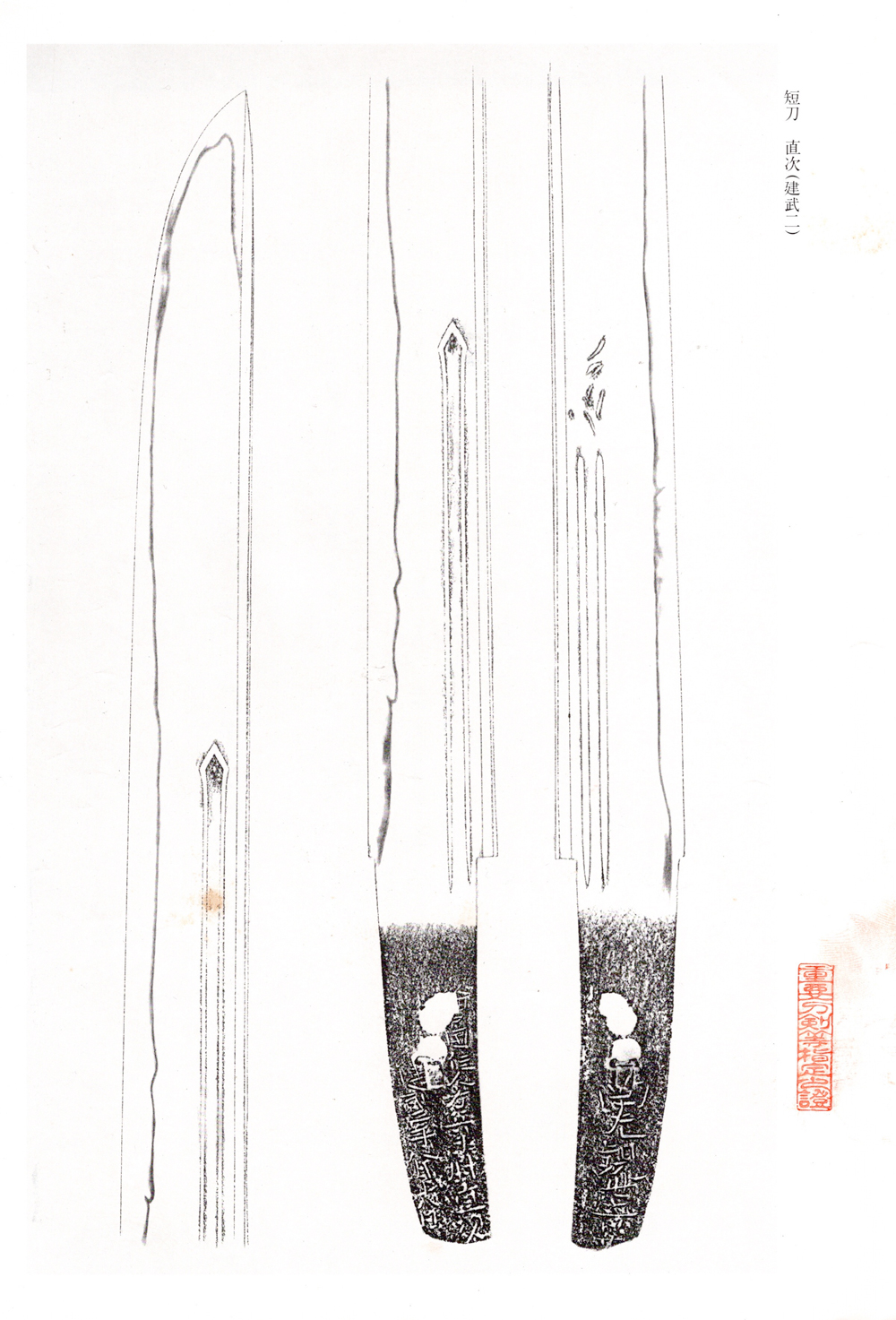
Inscription: “Bitchū no Kuni Jūnin Saemon no Jō Naotsugu”
Dated: Kenmu 2 (1335), 18th day of the 8th month
Inscription on the reverse:
“Namu Kanzeon” — the remainder of the inscription is cut off.
短刀
備中国住人左兵衛尉直次
建武二年八月十八日
| Item NO. | NO.K00269 | Price | Please contact us. |
|---|---|---|---|
| Paper | NBTHK No,30 Jyuyo Paper | ||
| Country | Bitchū Province | ||
| Period | Nanbokuchō Period, Kenmu 2 (1335) | ||
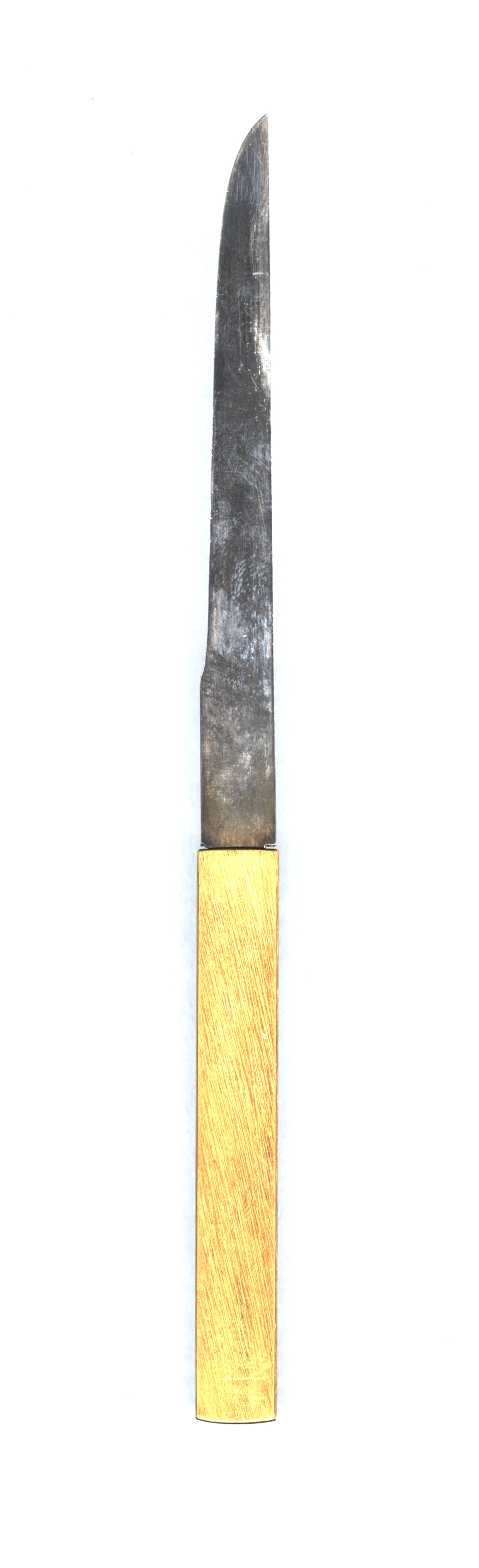
| Blade Length | 27.0cm | ||
| Curve(Sori) | Almost none | ||
| Bottom Width (Motohaba) | 2.55cm | ||
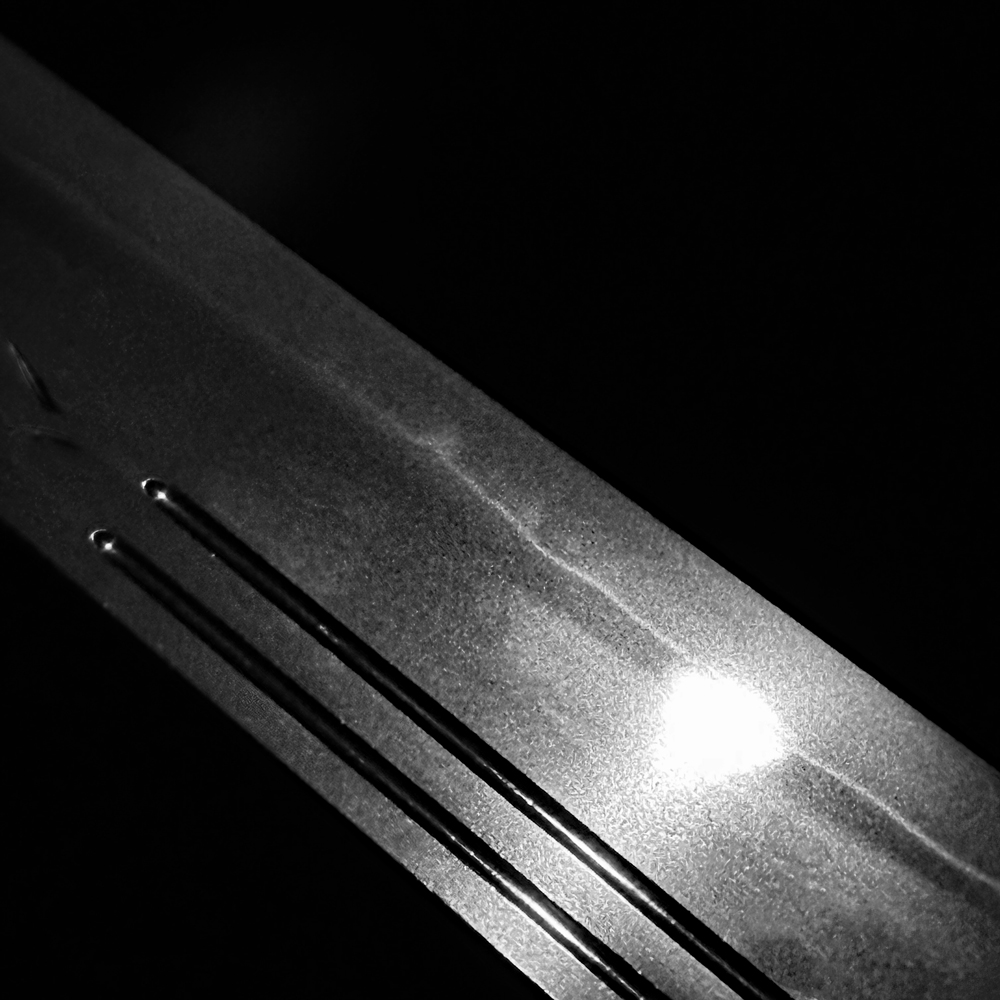
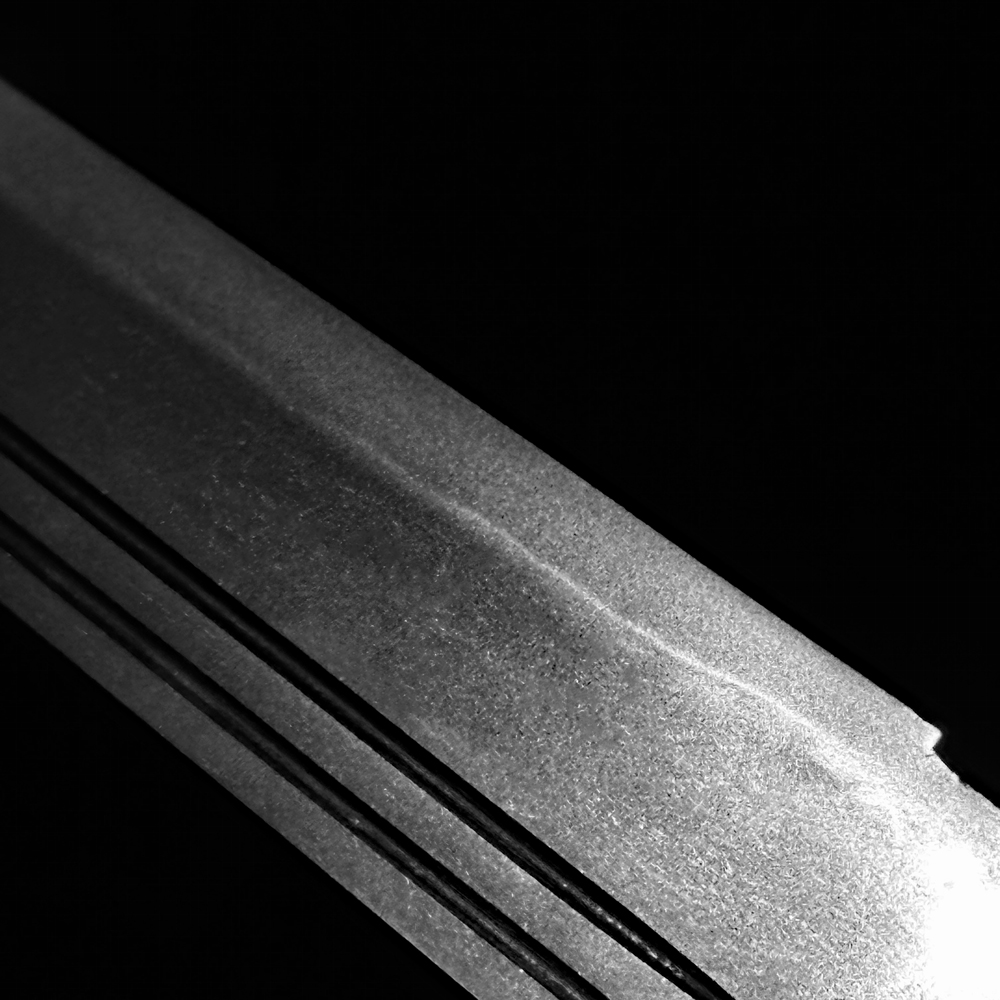
| Keijo | Hira-zukuri, mitsu-mune. The blade is broad in width and somewhat long in proportion, with a relatively thin kasane and virtually no curvature. | ||
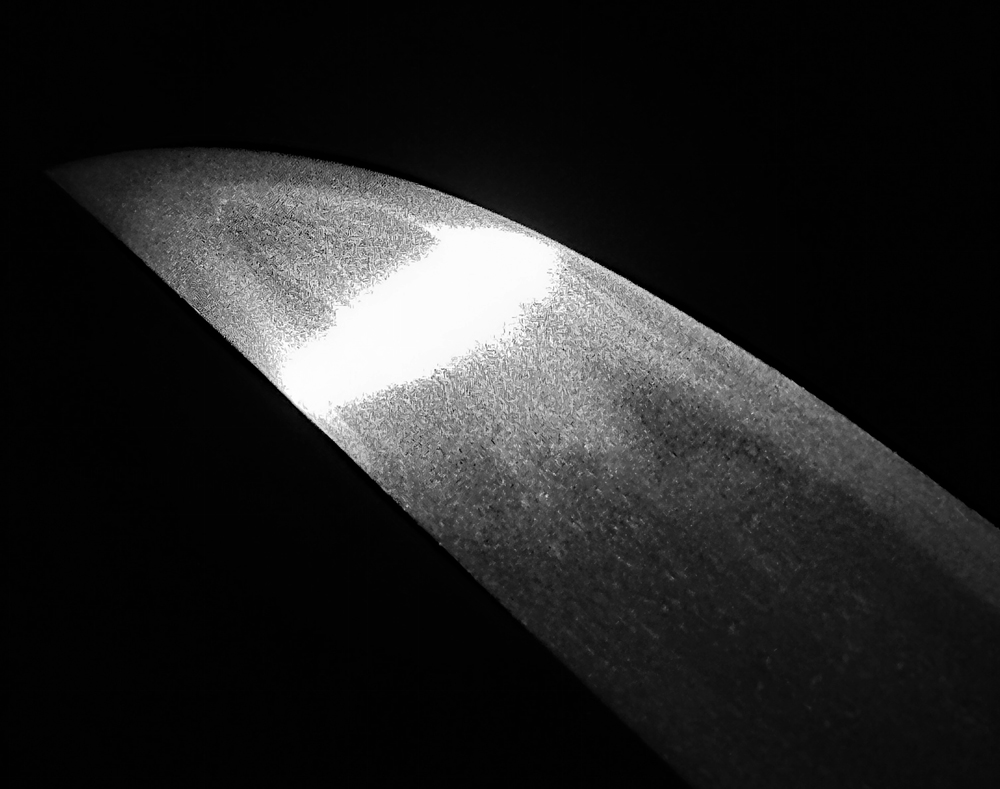
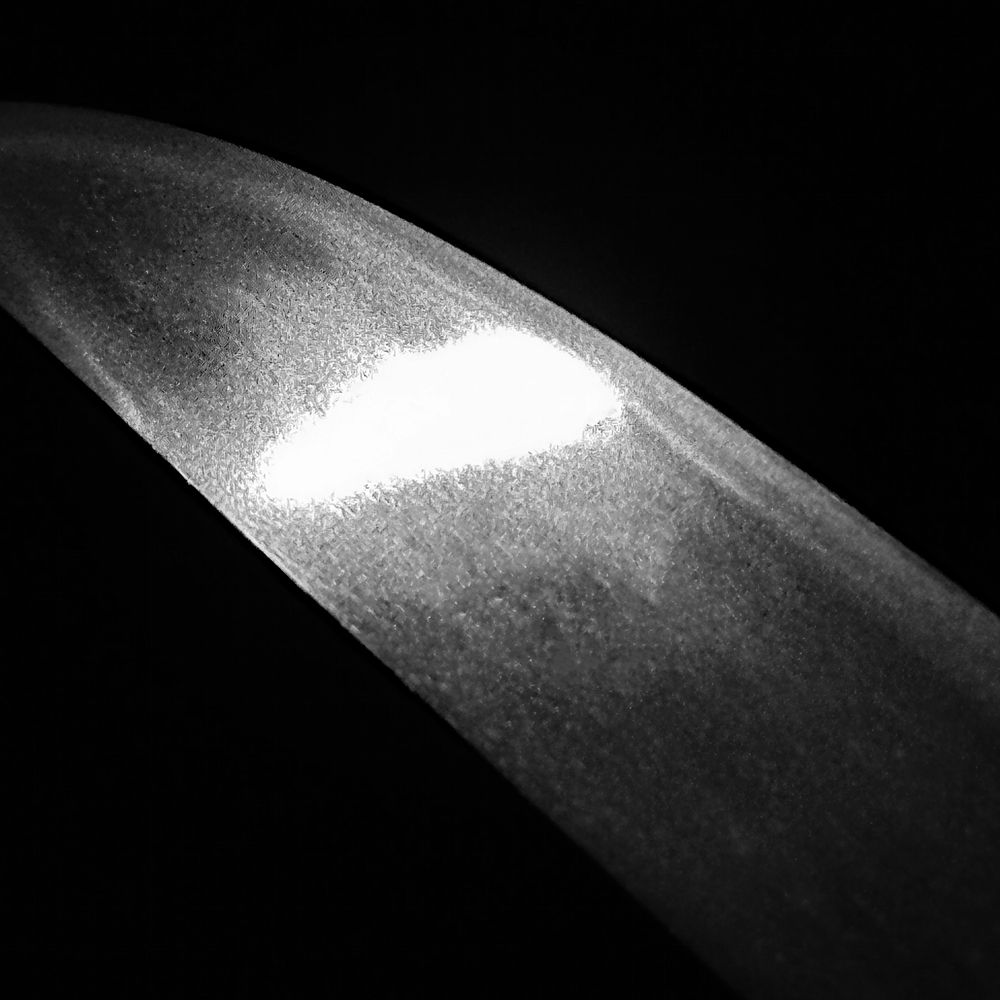
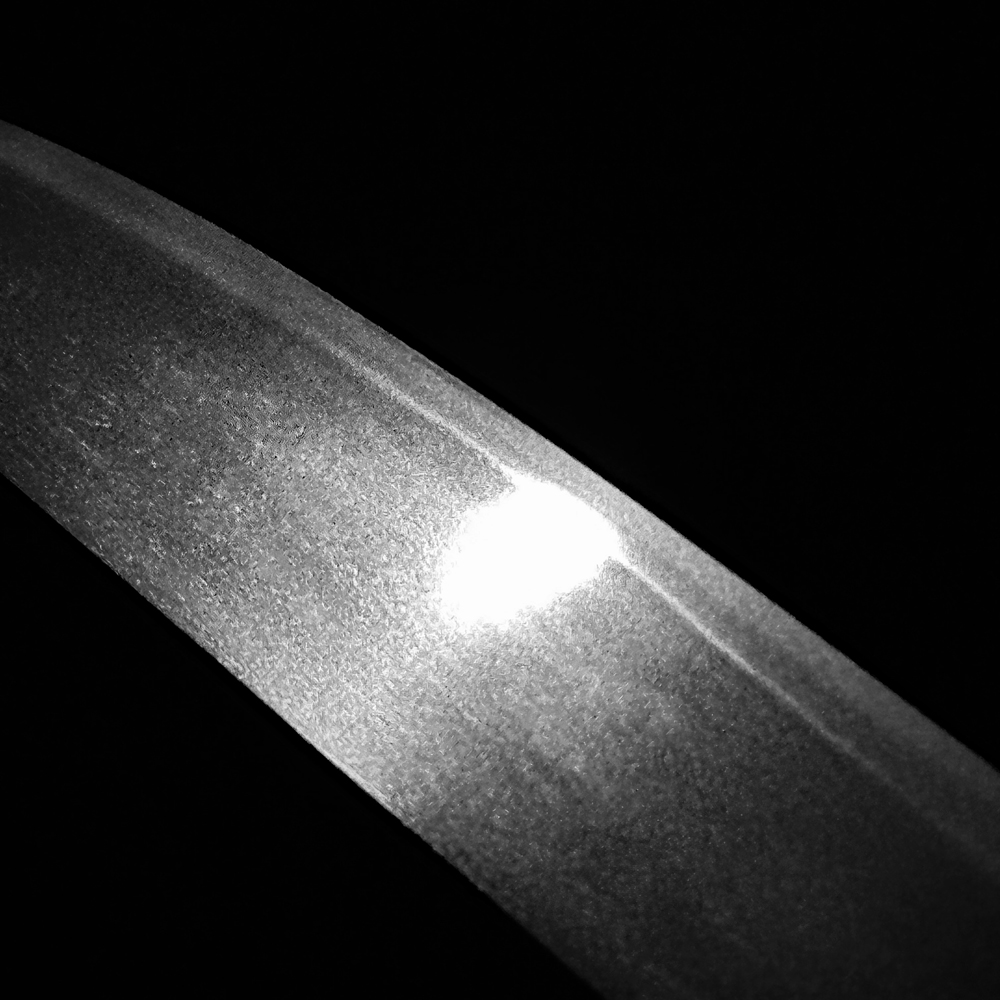
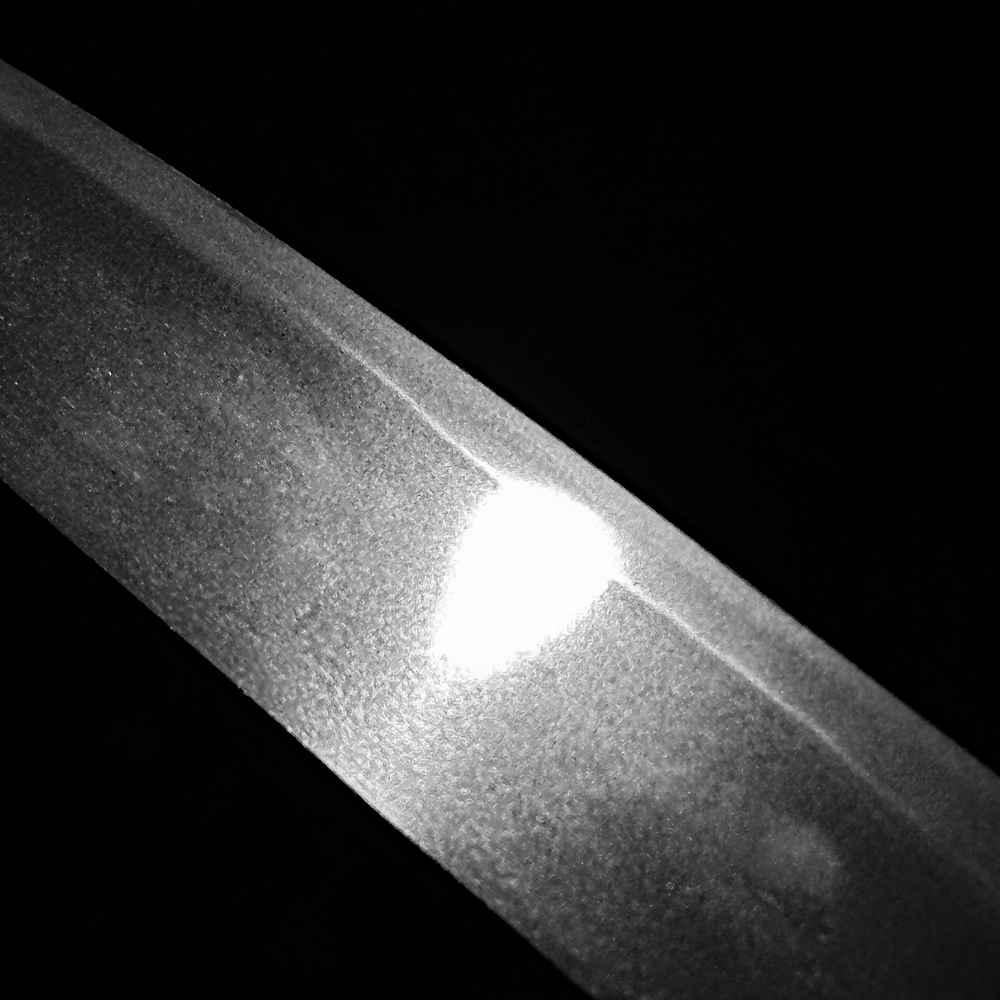
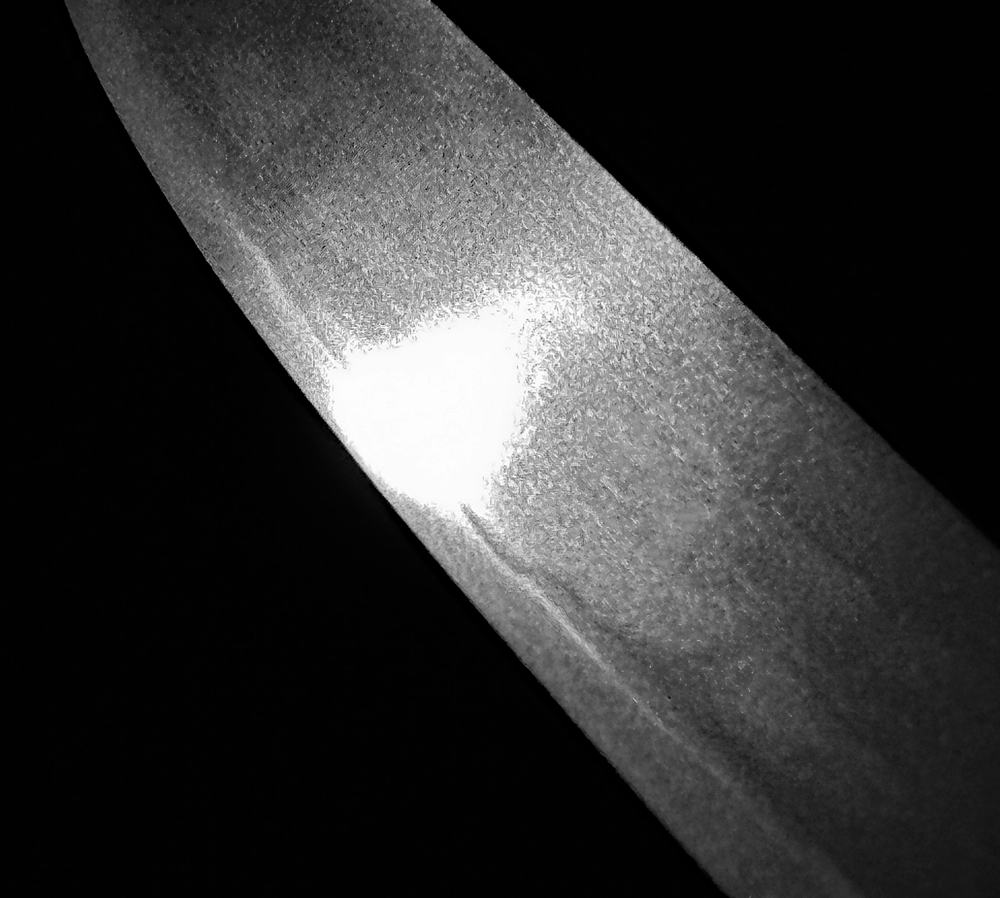
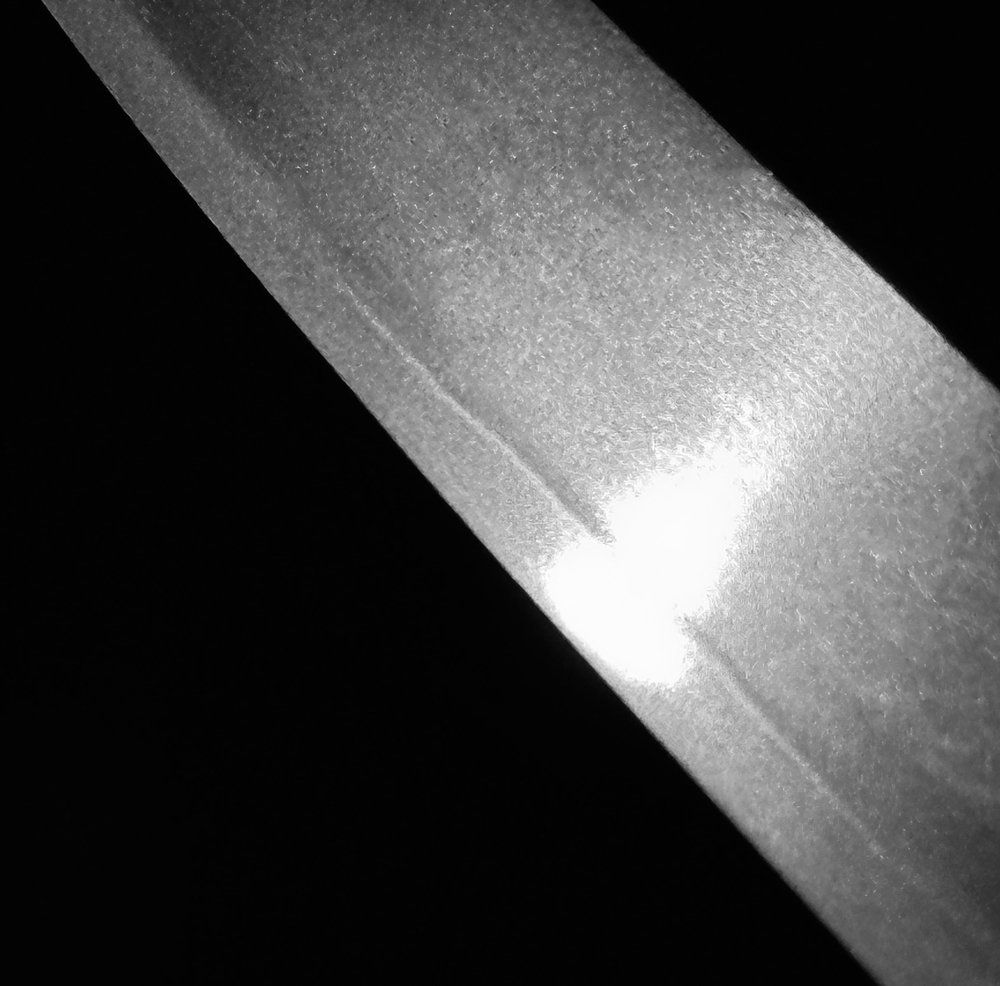
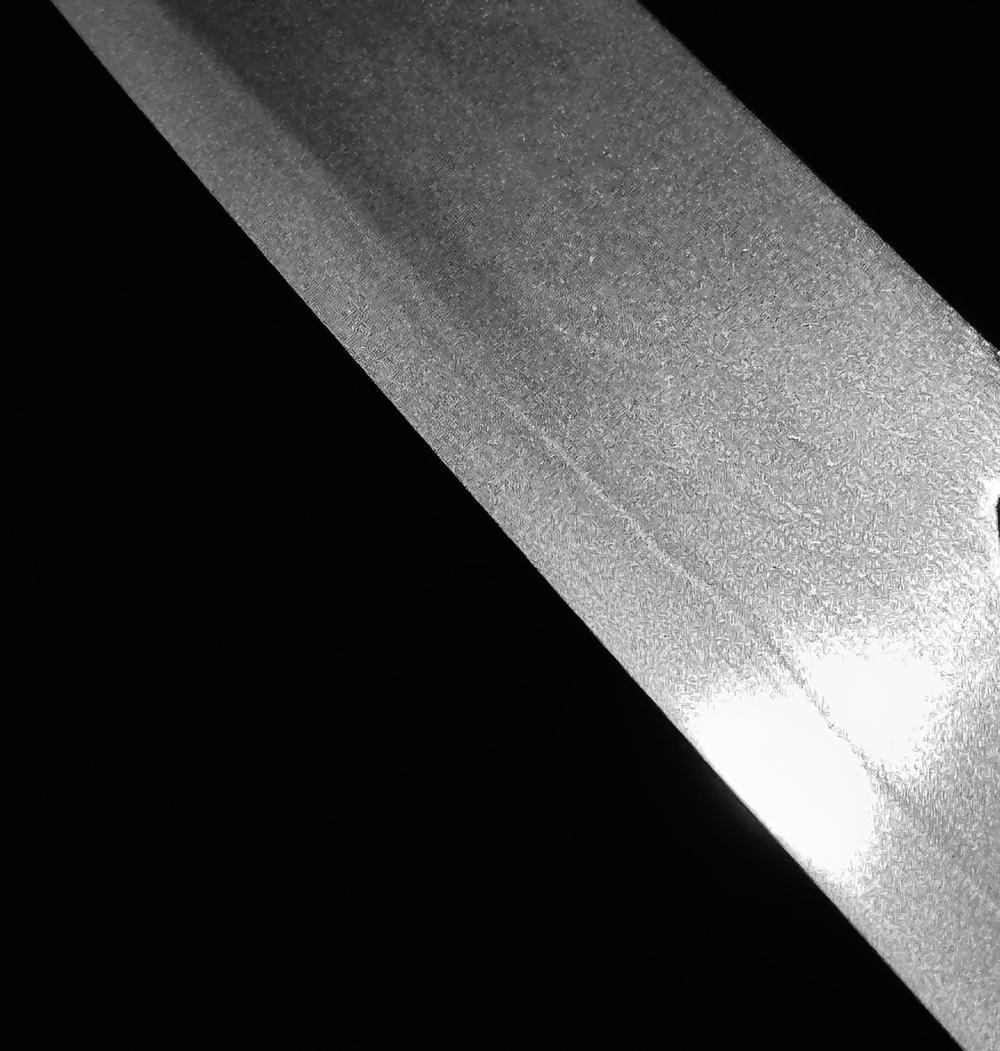
| Kitae | The jihada is ko-itame mixed with ō-hada and sumi-hada, with fine ji-nie and a faint, irregular utsuri appearing in the ji. | ||
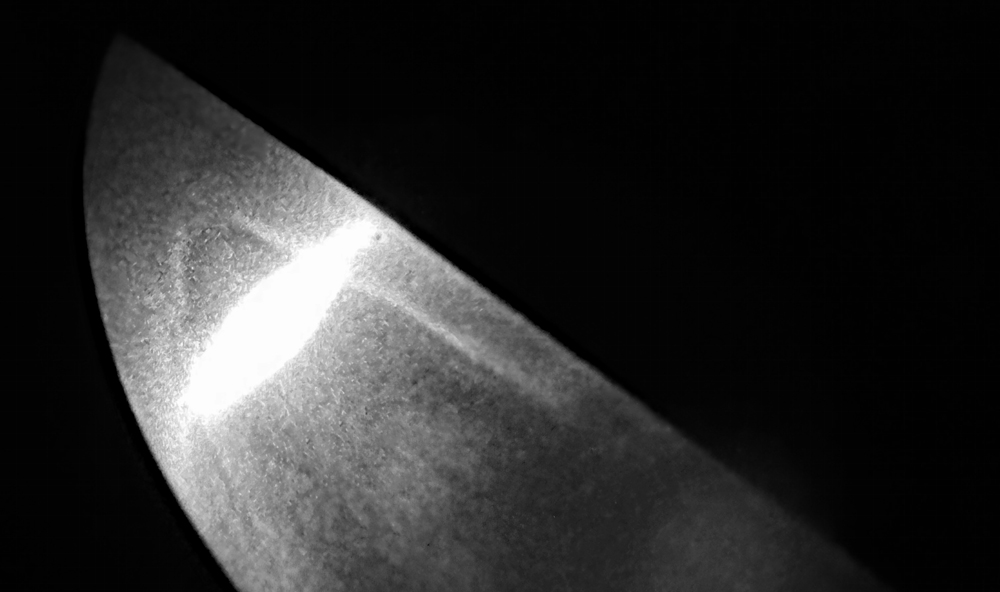
| Hamon | The hamon is a suguha with shallow notare, featuring ko-ashi, saka-ashi, and yo. The nioiguchi is nioi-dominant with fine nie, and is tight and bright. | ||
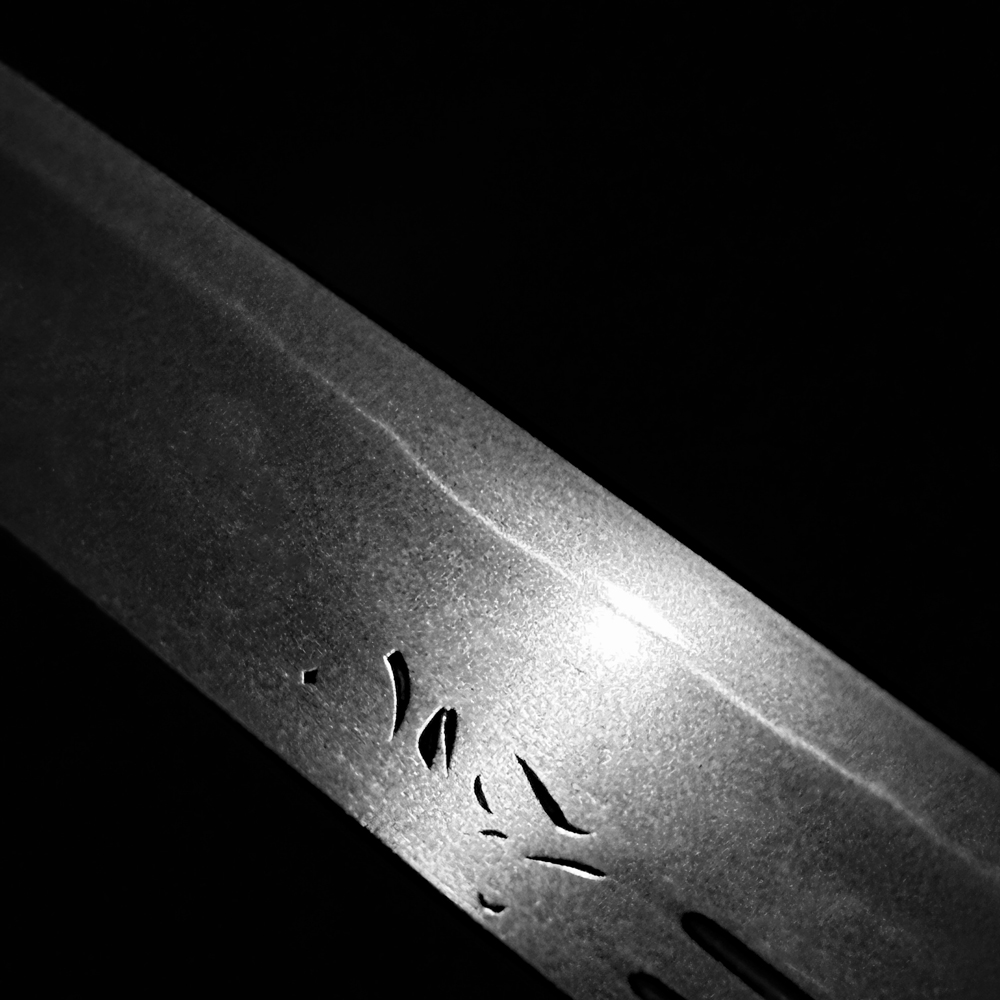
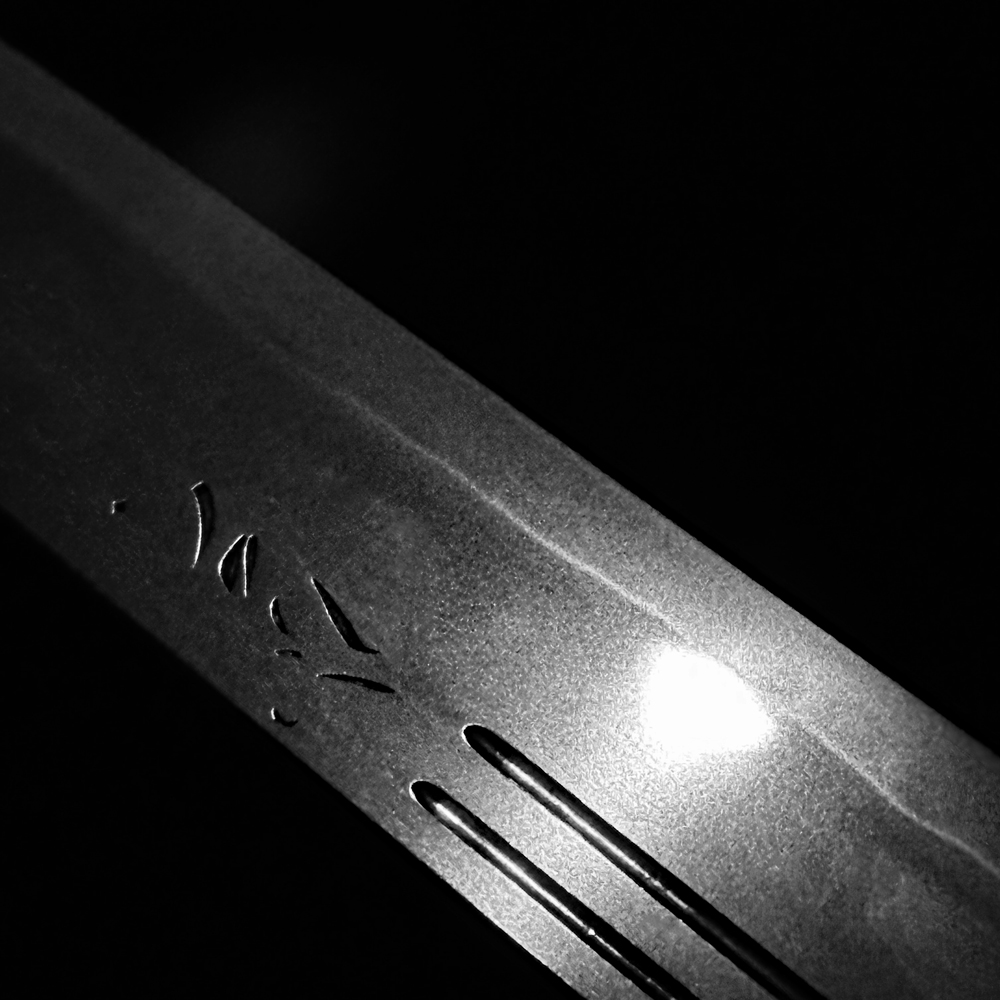
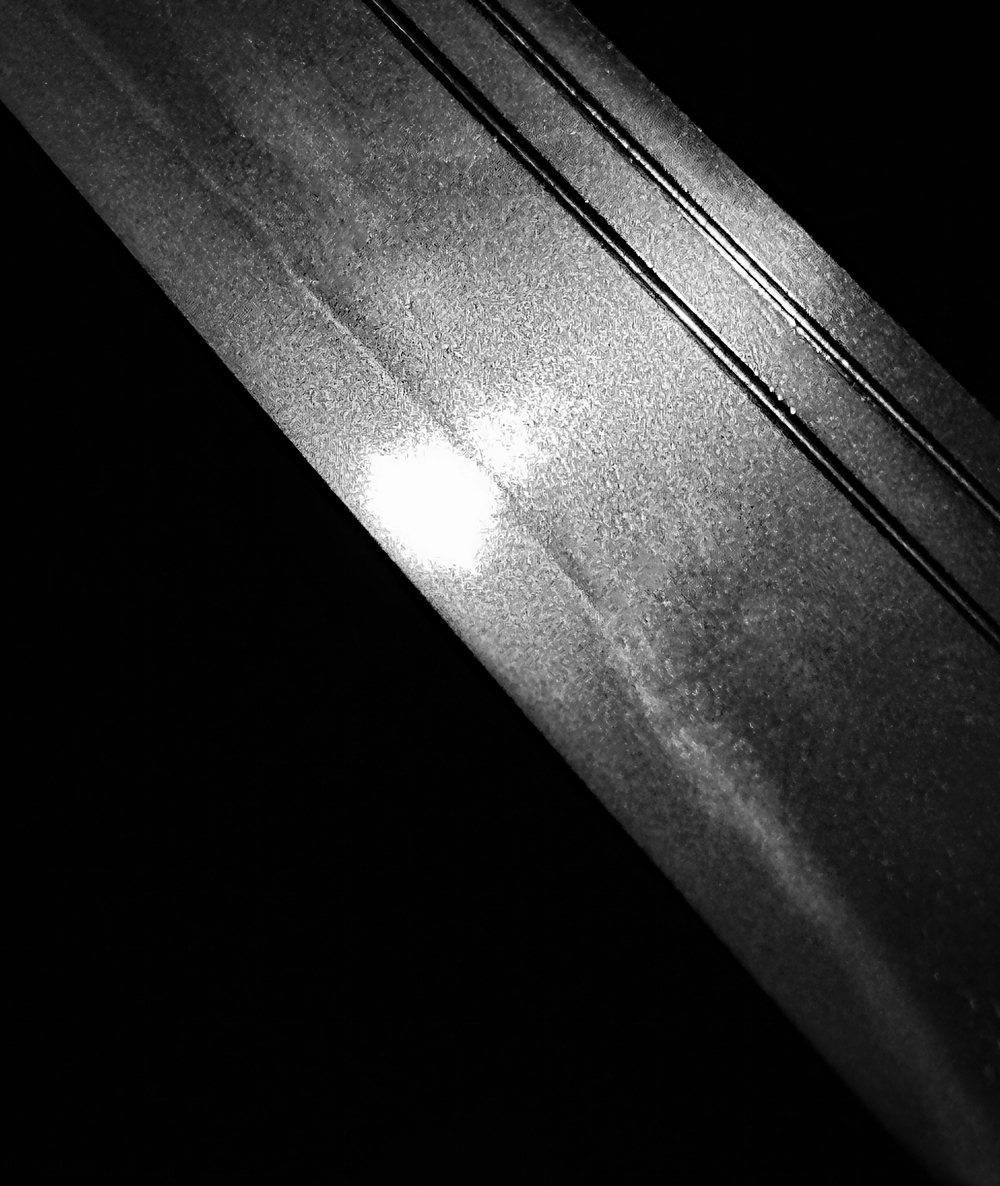
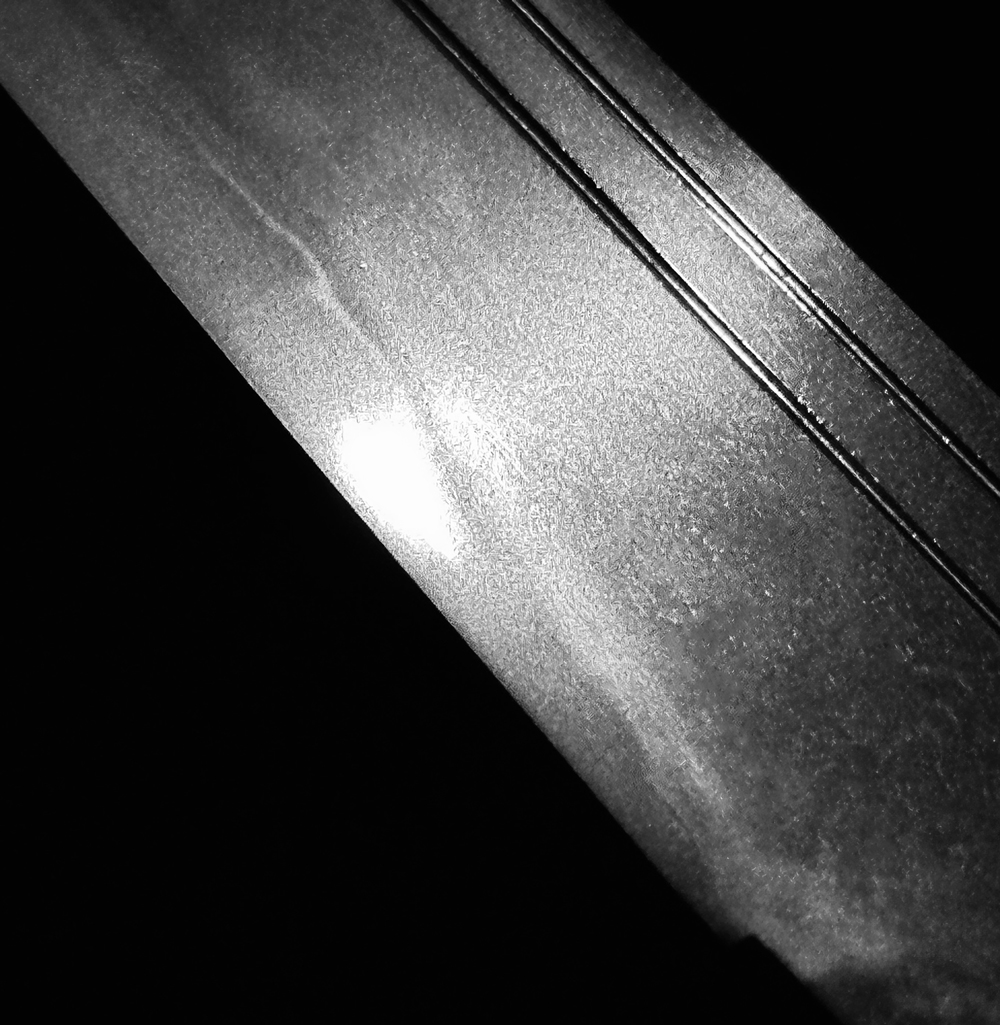
| Boushi | Omote: Sukken Ura: Bonji and goma-bashi | ||
| Hori | Omote: Sukken Ura: Bonji and goma-bashi | ||
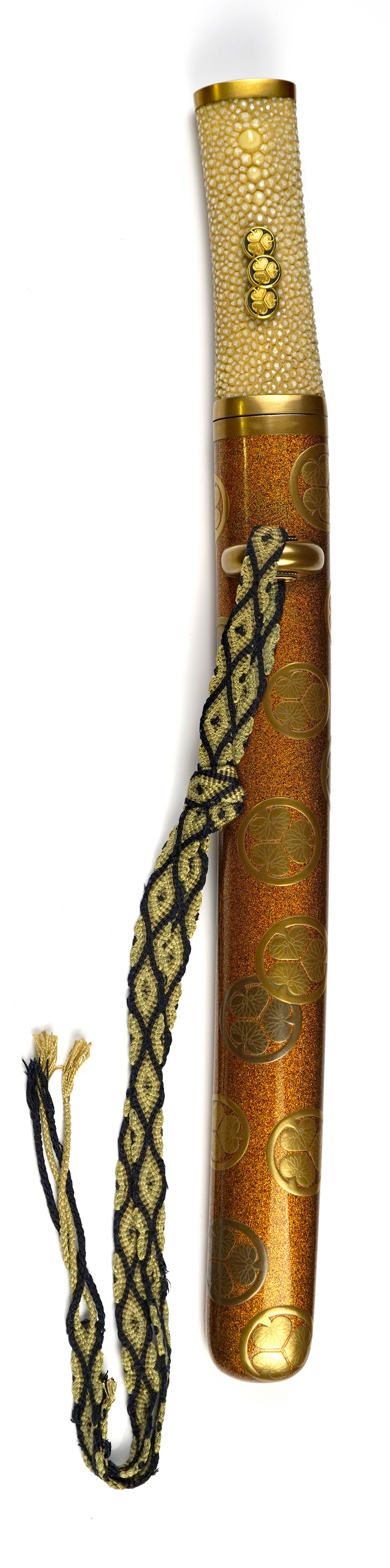
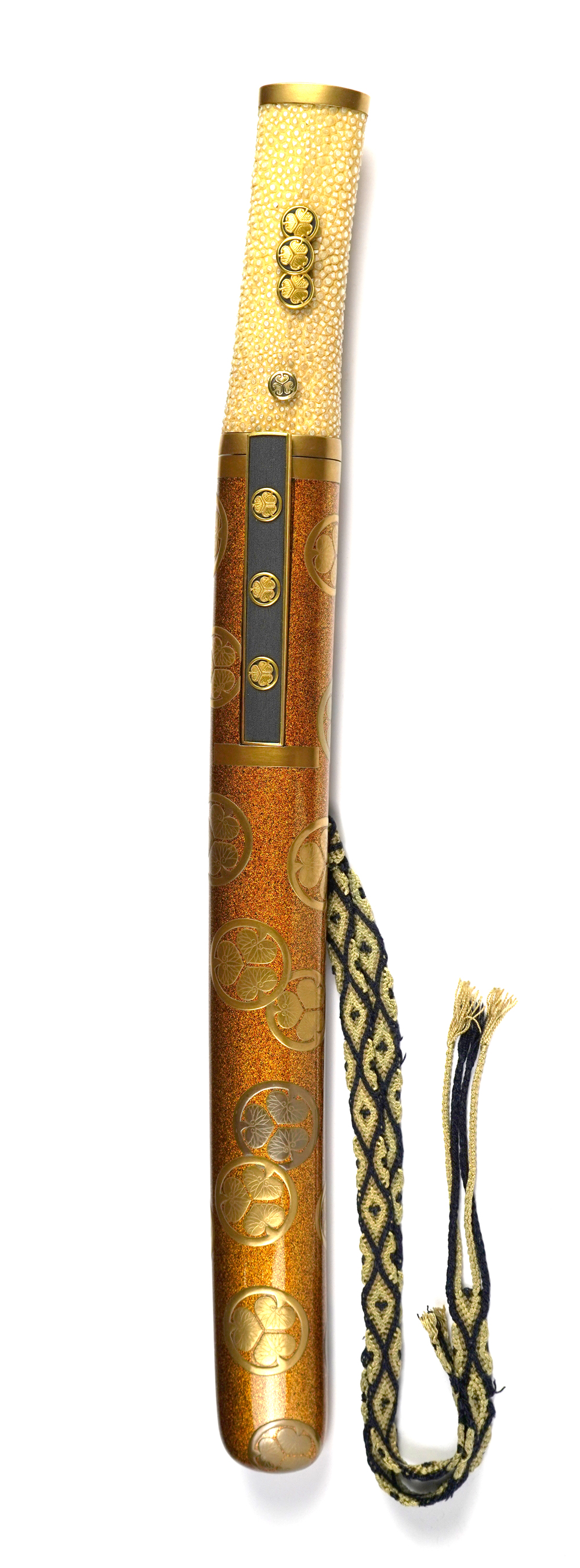
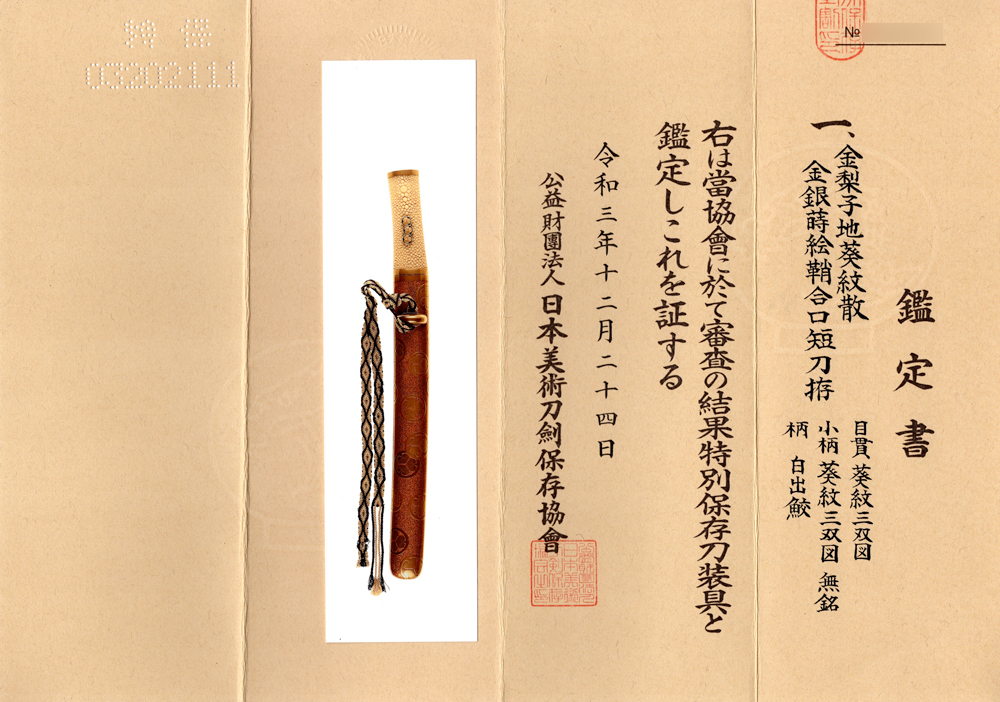
| Nakago | Ubu nakago (slightly shortened at the butt), with a shallow kuri-jiri that rises slightly toward the ha side. The yasurime are ō-suji-chigai, with two mekugi-ana. | Kin-nashiji Aikuchi Tanto Koshirae with Scattered Hollyhock Crests in Gold and Silver Maki-e | |
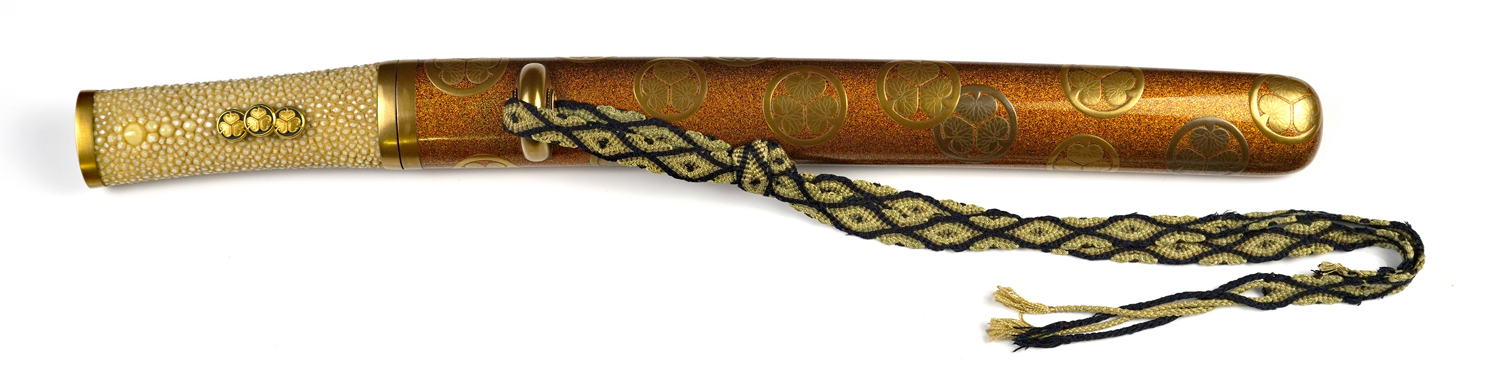
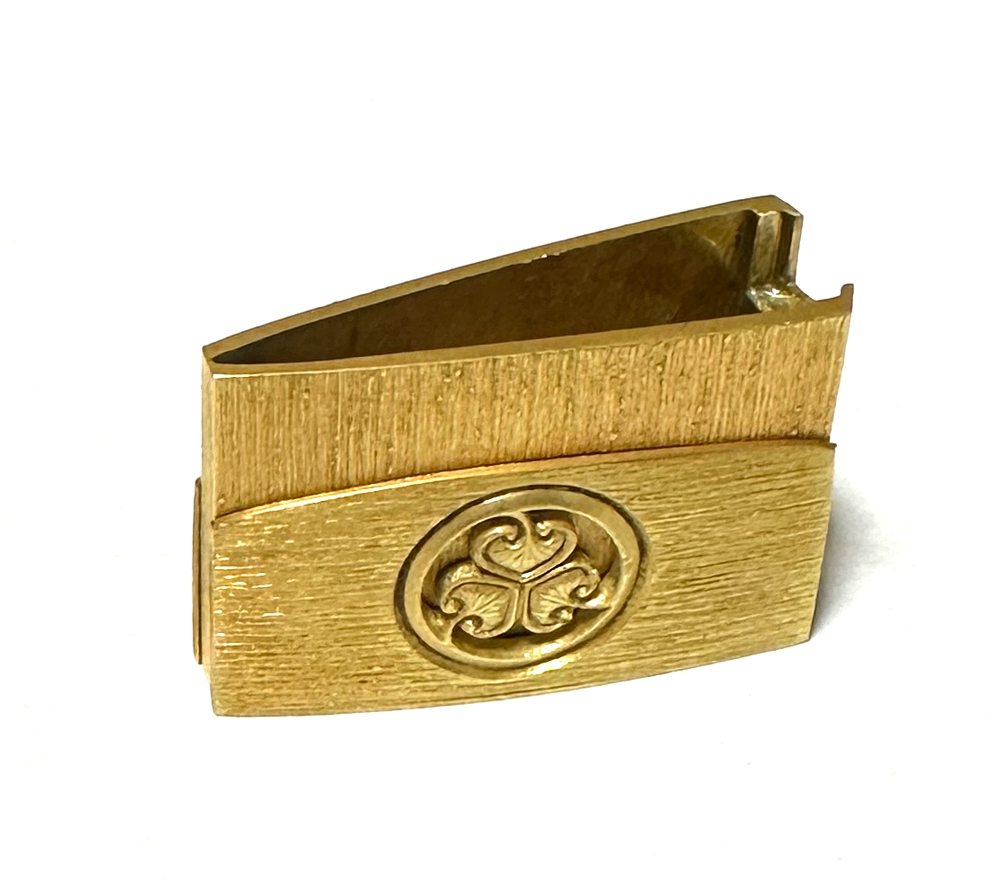
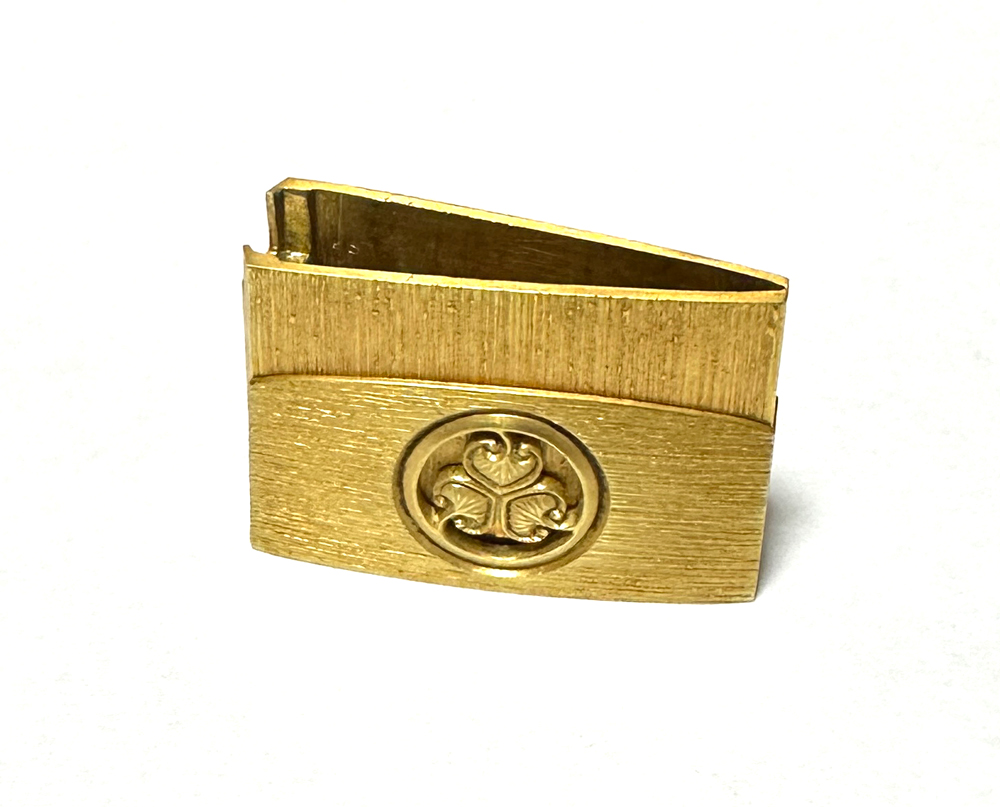
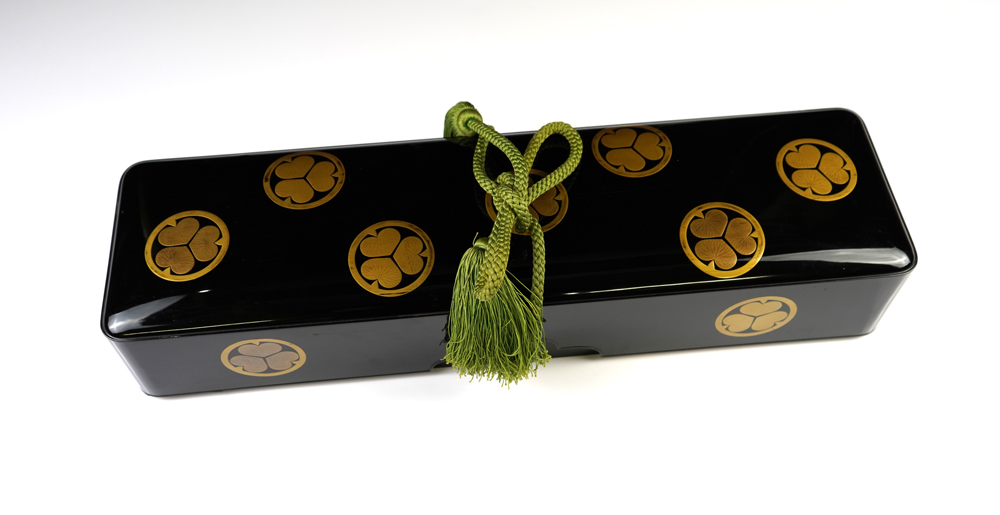
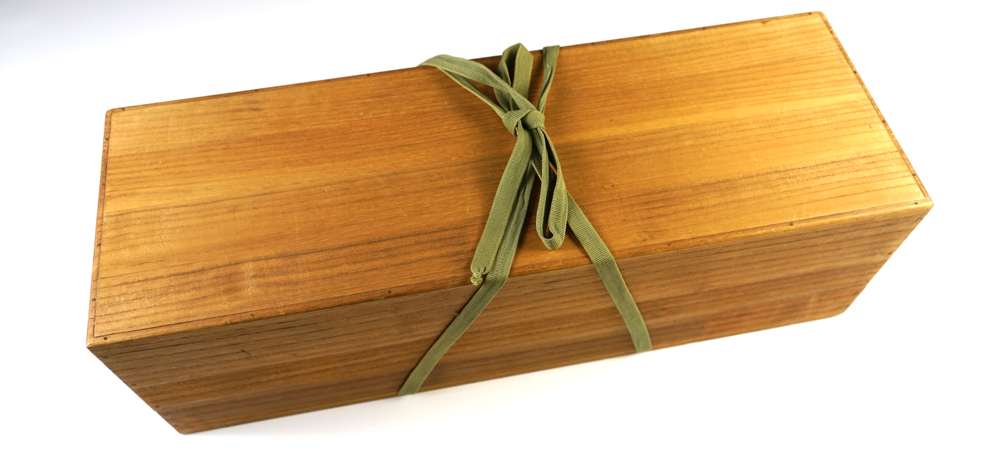
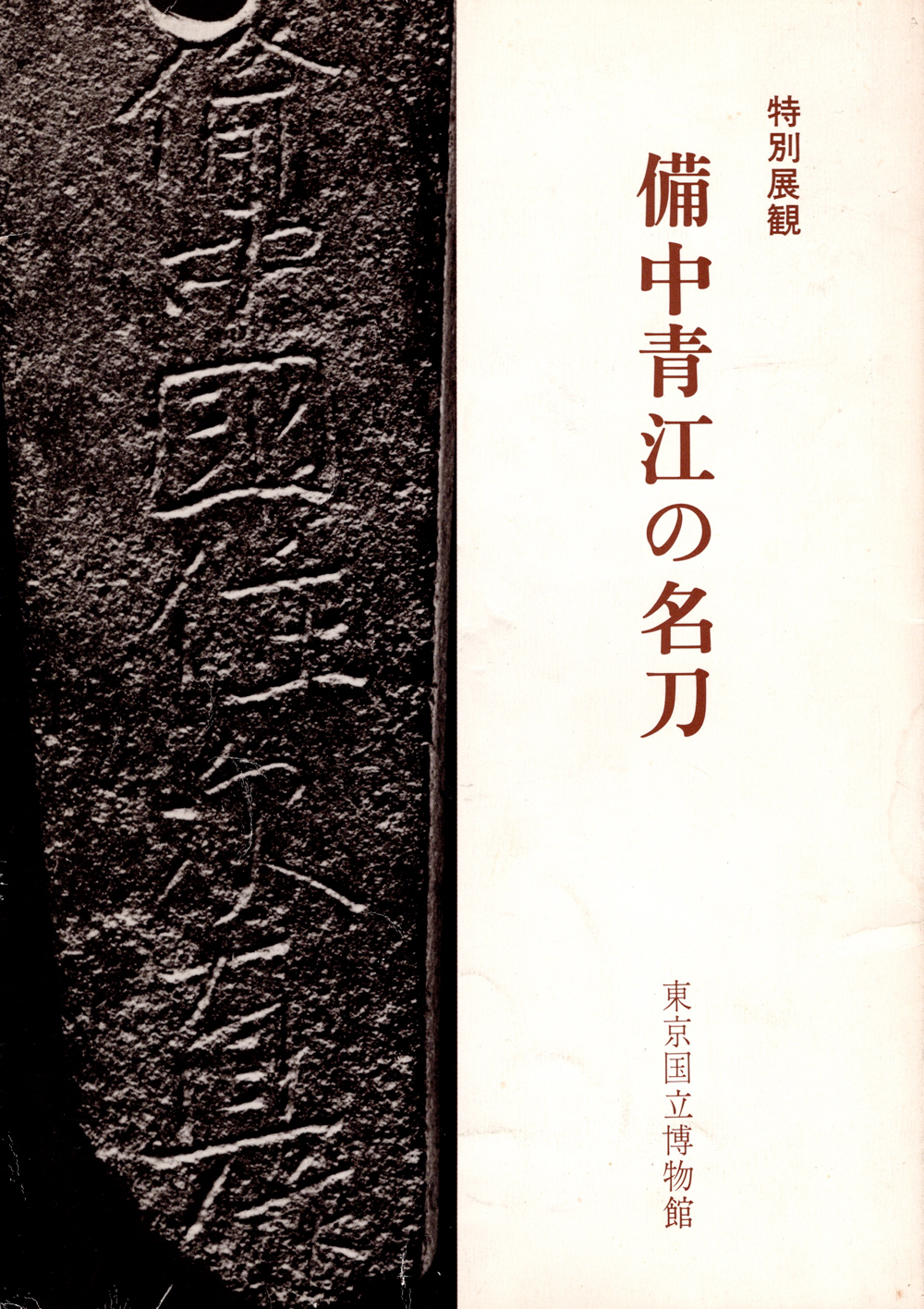
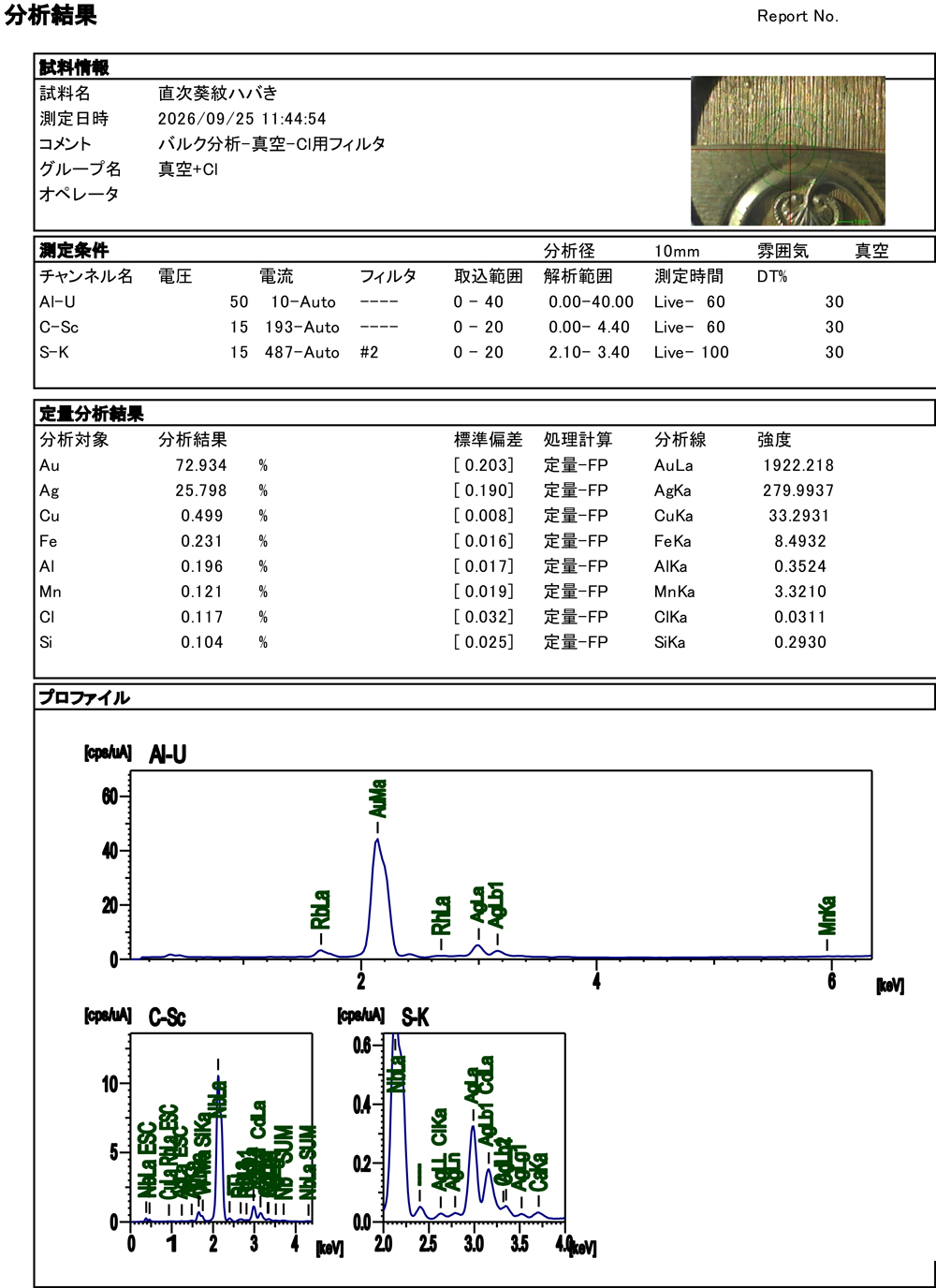
| Accessories | Shirasaya Solid Gold Habaki, 28 g (K17) Kin-nashiji Aoi-mon scattered gold and silver maki-e aikuchi tanto koshirae (Tokubetsu Hozon) Paulownia-wood storage box Aoi-mon maki-e sword box Copy of the catalogue for the special exhibition Masterpieces of Bitchū Aoe | ||
| Menuki | Three Paired Hollyhock Crest Motifs | ||
| Kozuka | Three Paired Hollyhock Crest Motifs | ||
| Tsuka | White Samekawa (Sharkskin) | ||
| Solid Gold Habaki | 28g(K17) ※Composition Analyzed |
||
| Certificate of Appraisal | Tokubetsu Hozon Tosogu | ||
| Details | A work by Naotsugu, a representative smith of the Aoe school from the very end of the Kamakura period to the beginning of the Nanbokuchō period, this tantō was made in the second year of Kenmu (1335). It is a large-sized tantō whose overall shape at first glance may suggest the later Enbun–Jōji style. However, the fact that it is completely without curvature indicates that it belongs to the period around the beginning of the Kenmu era, before the style developed fully into that later form. The jihada is a well-forged ko-itame that is tightly grained, with areas of suki-hada. The hamon is a well-defined suguha with a tightly controlled nioiguchi, featuring saka-ashi and yō. Both the jihada and the hamon are clear and refined. This is an outstanding example of Naotsugu's workmanship and, at the same time, an excellent representation of the characteristic style of the Aoe school during this period. |
||
| Accessories | Shirasaya Solid Gold Habaki, 28 g (K17) Kin-nashiji Aoi-mon scattered gold and silver maki-e aikuchi tanto koshirae (Tokubetsu Hozon) Paulownia-wood storage box Aoi-mon maki-e sword box Copy of the catalogue for the special exhibition Masterpieces of Bitchū Aoe | ||

CONTACT
SEARCH
-
PERIOD LISTS
Koto|Shinto|Shinshinto|GendaitoPRICE LISTS
~¥500,000 JPY|¥510,000 JPY~¥1,000,000 JPY|¥1,010,000 JPY~¥2,000,000 JPY|¥2,010,000 JPY~¥3,000,000 JPY| ¥3,010,000 JPY~¥4,000,000 JPY|¥4,010,000 JPY~¥5,000,000 JPY|¥5,010,000 JPY~¥10,000,000 JPY|¥10,010,000 JPY~ |Please contact us -
PAPER LISTS
Important art appraisal|Others|No appraisalJpanese Swords
NBTHK Tokubetsu Jyuyo|NBTHK Jyuyo|NBTHK Tokubetsu Hozon|NBTHK HozonFittings
NBTHK Tokubetsu Jyuyo|NBTHK Jyuyo|NBTHK Tokubetsu Hozon|NBTHK Hozon