
Featured in the 2026 Daitōken-ichi Catalog
Tanto
Rai Kunimitsu
With:
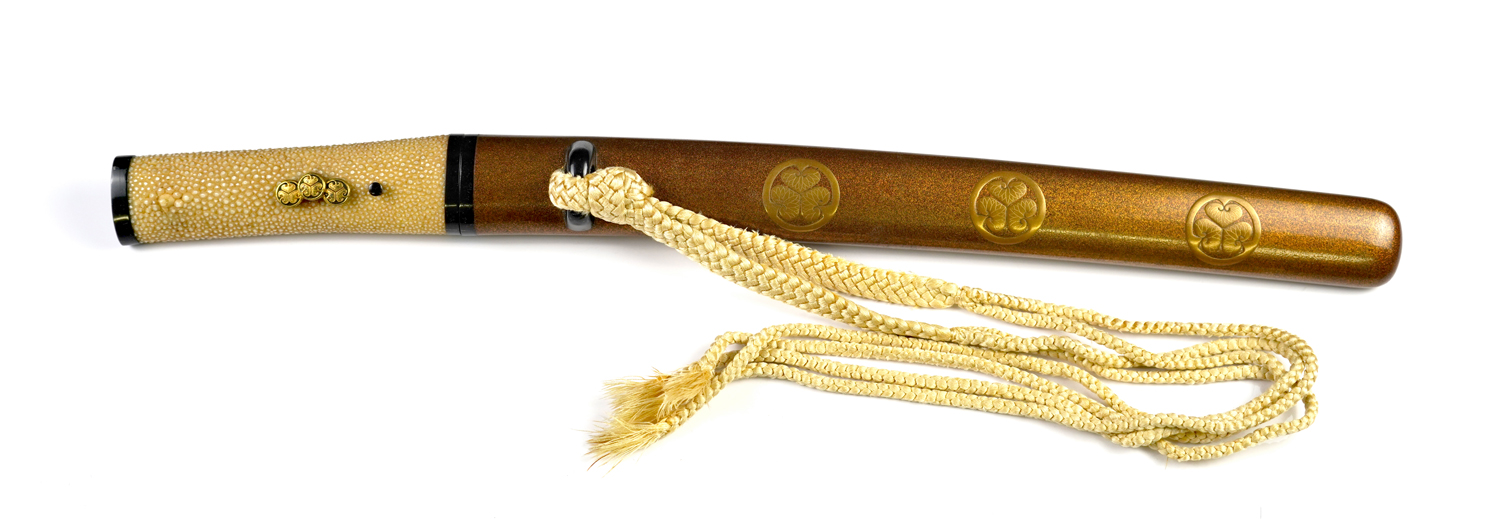
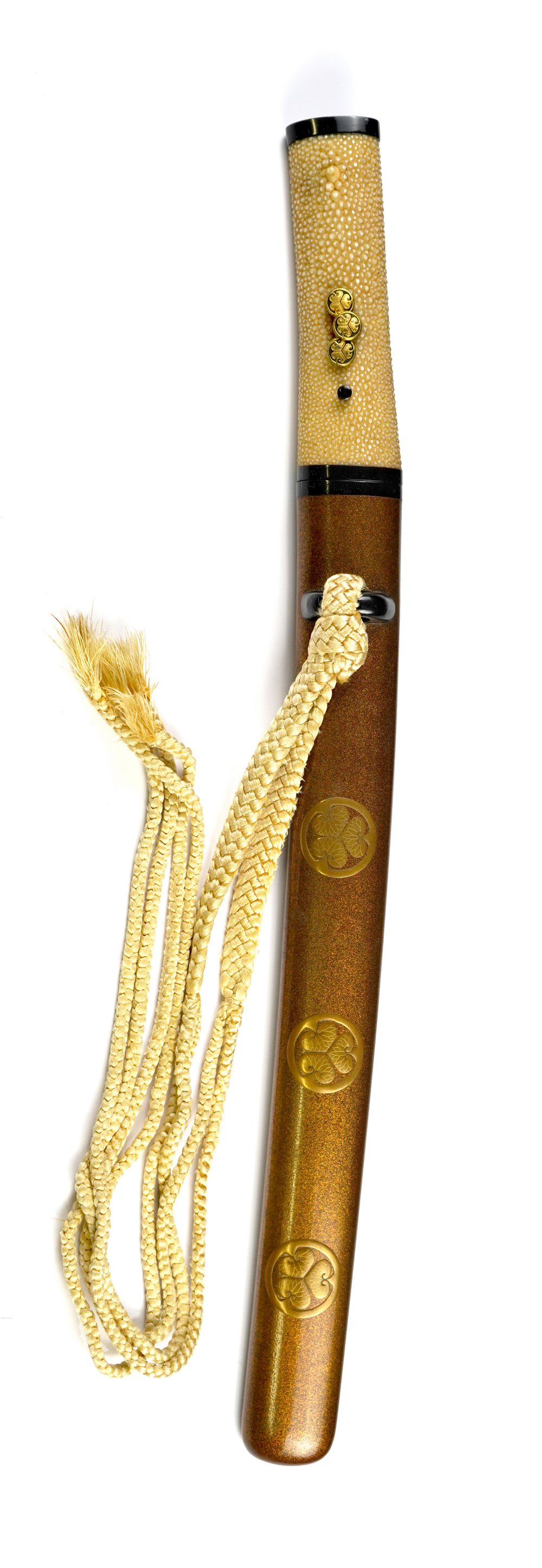
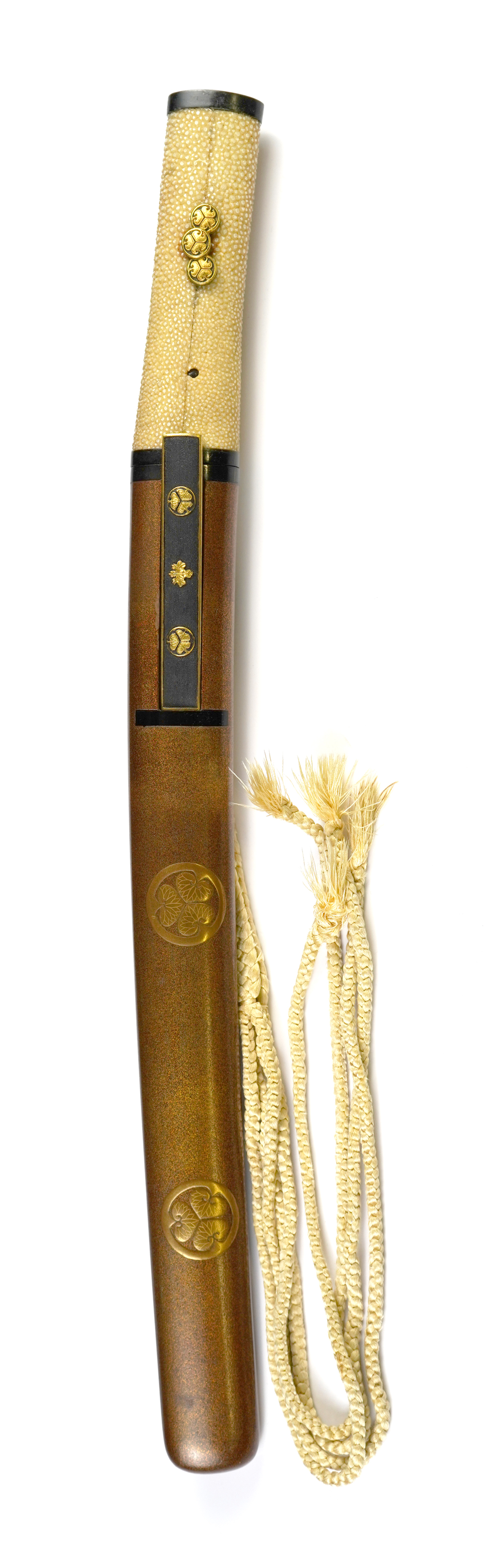
Kin nashiji saya with scattered hollyhock crests, gold and silver maki-e aikuchi tantō koshirae
Antique saya with a sayagaki by Hon'ami Kōsa (Chūjo)
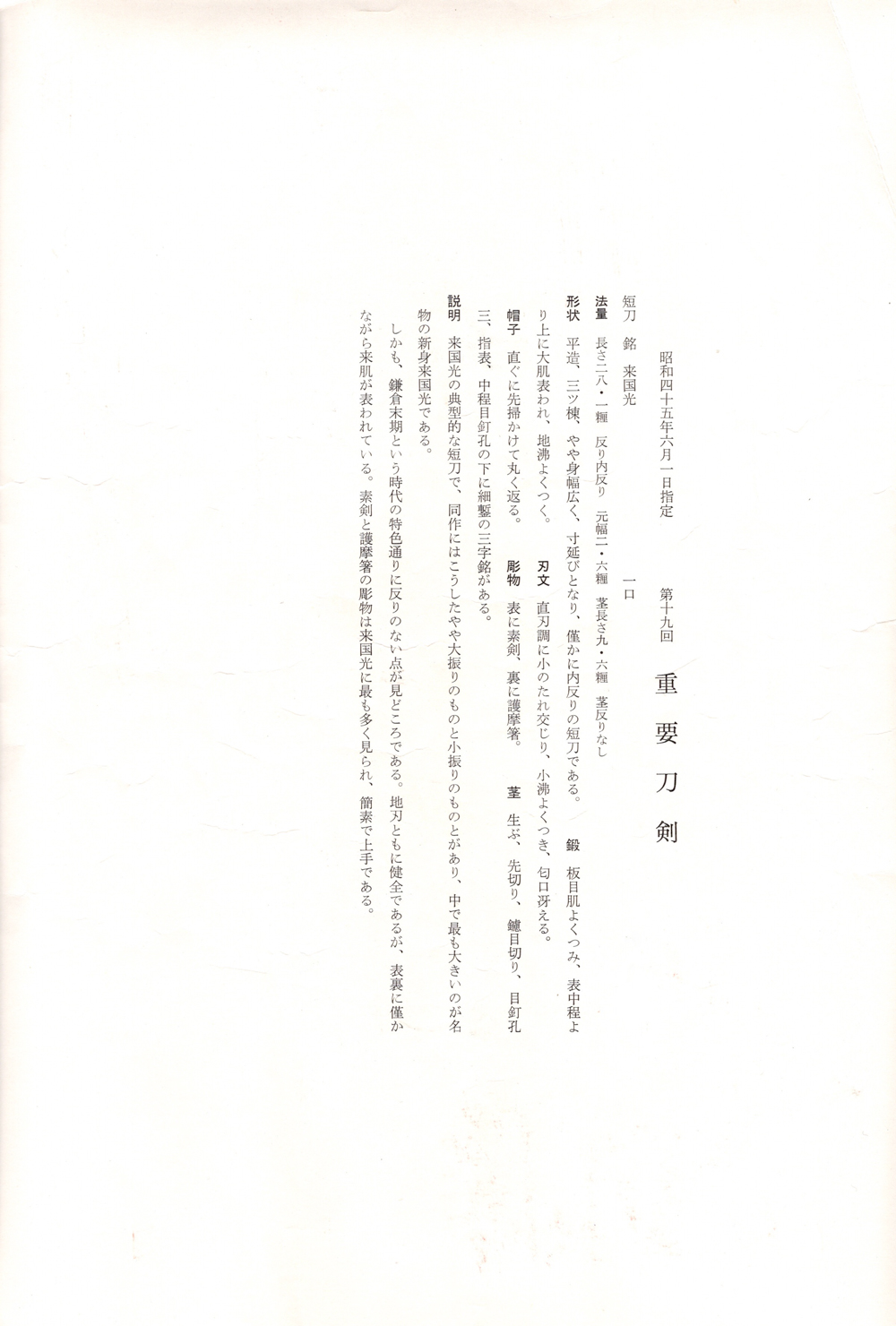
短刀 来国光
| Item NO. | NO.K00270 | Price | Please contact us |
|---|---|---|---|
| Paper | NBTHK No,19Jyuyo Paper | ||
| Country | Yamashiro Province | ||
| Period | Late Kamakura Period | ||
| Blade Length | 28.1cm | ||
| Curve(Sori) | Uchisori (slight inward curvature) | ||
| Bottom Width (Motohaba) | 2.6cm | ||
| Bottom Thickness (Motokasane) | 0.6cm | ||
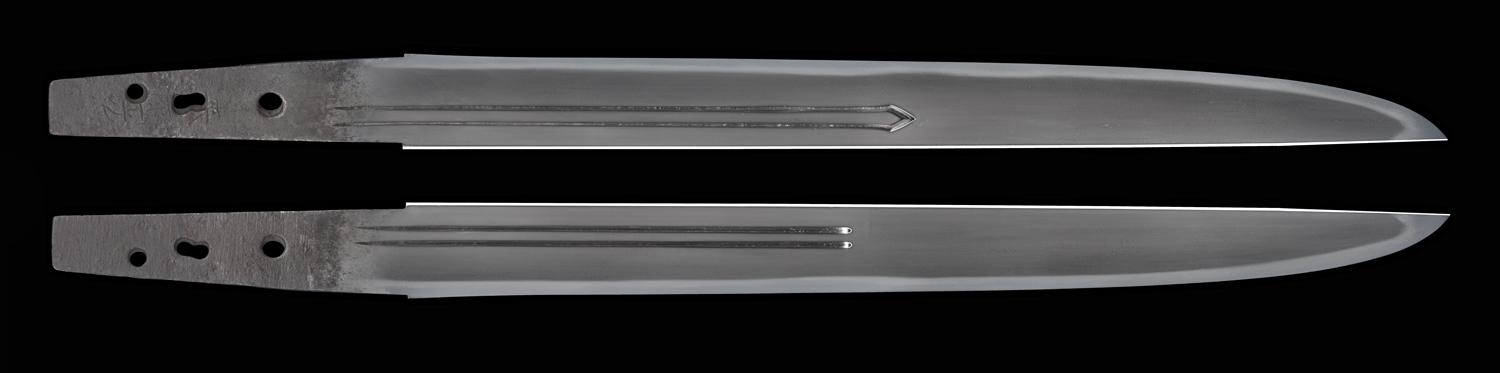
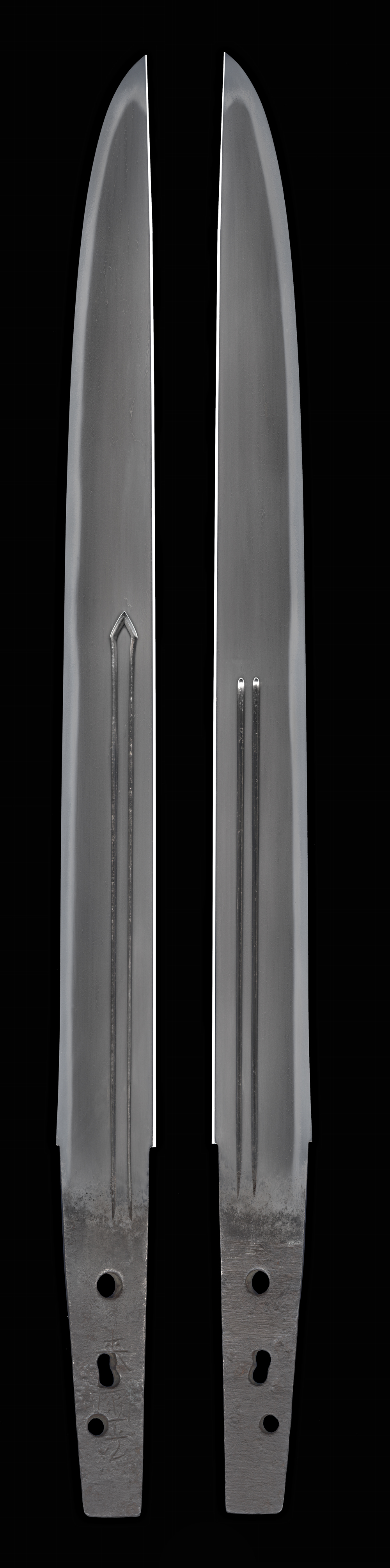
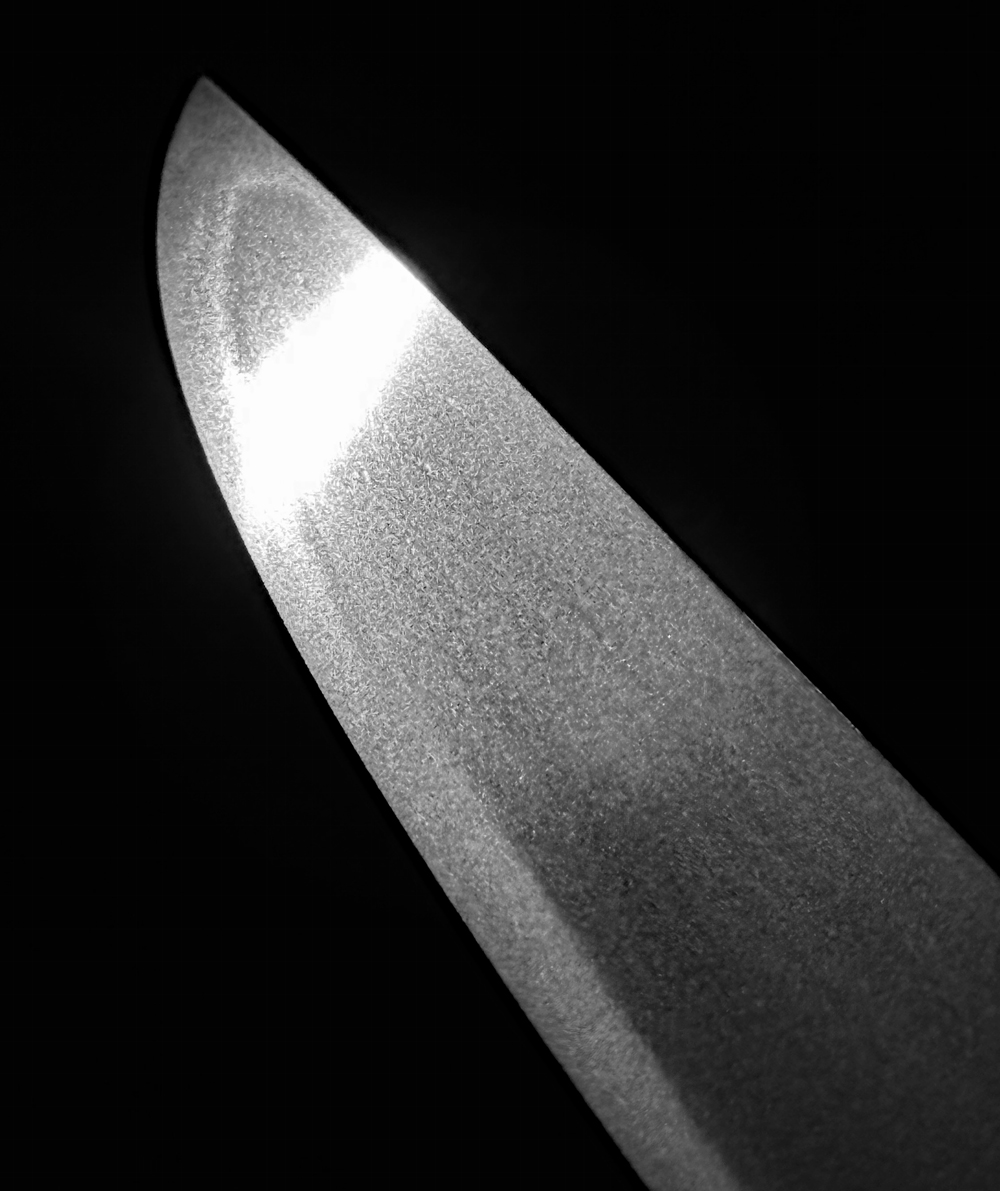
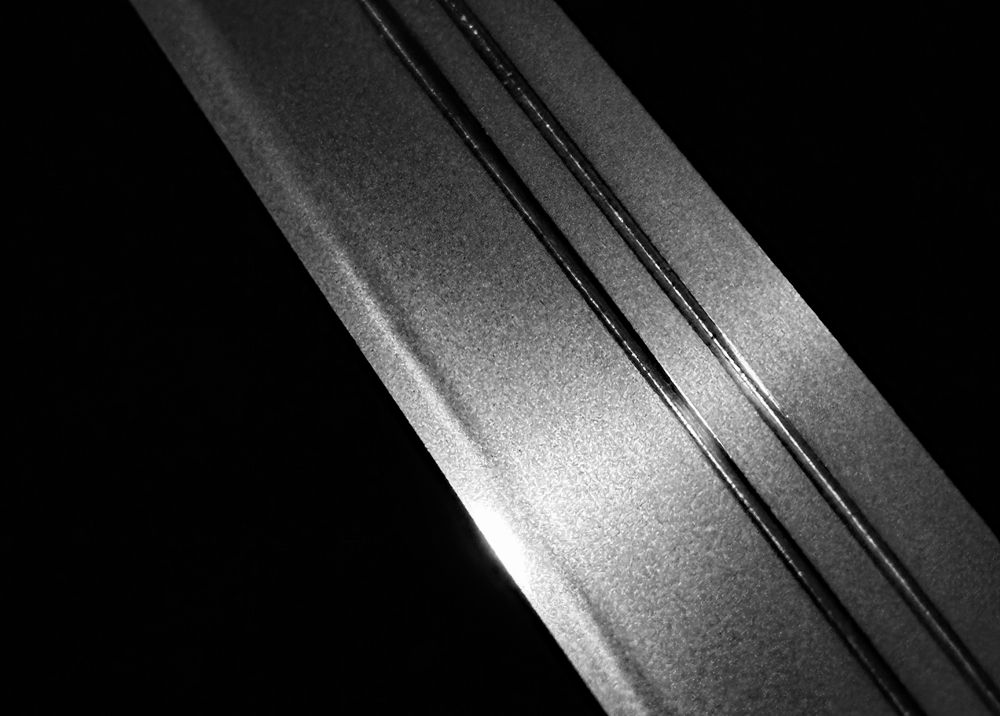
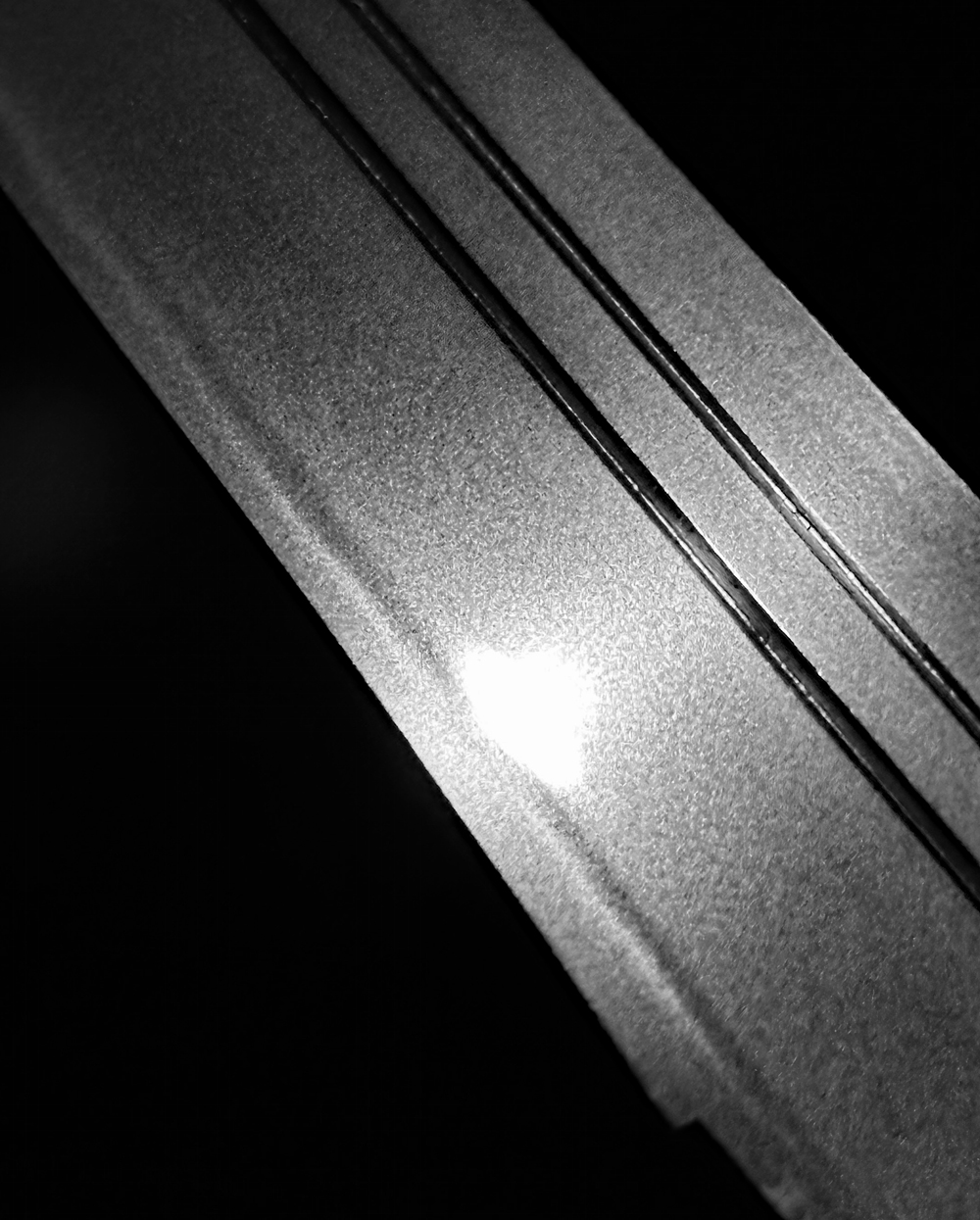
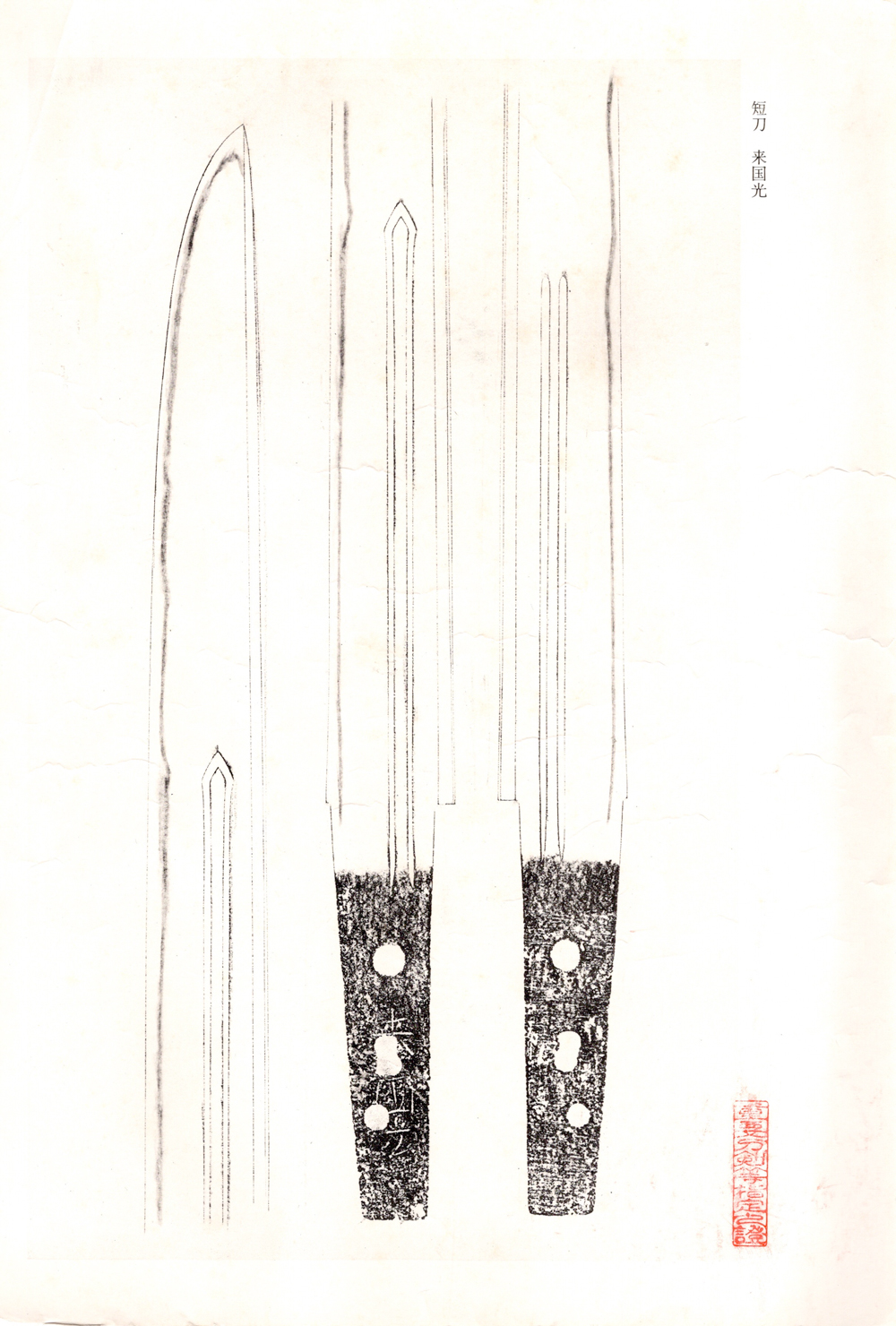
| Keijo | Hira-zukuri, mitsu-mune, slightly wide in mihaba, with an extended length and a slight uchizori (inward curvature). | ||
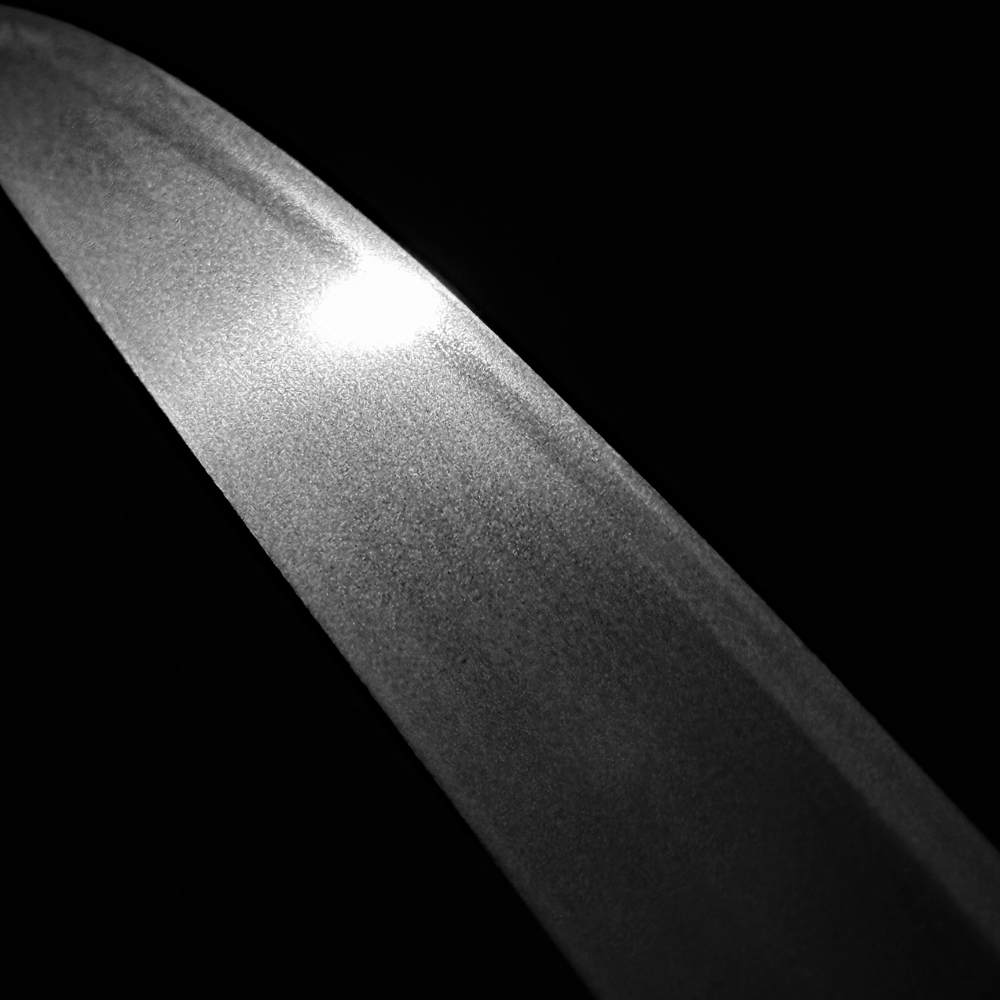
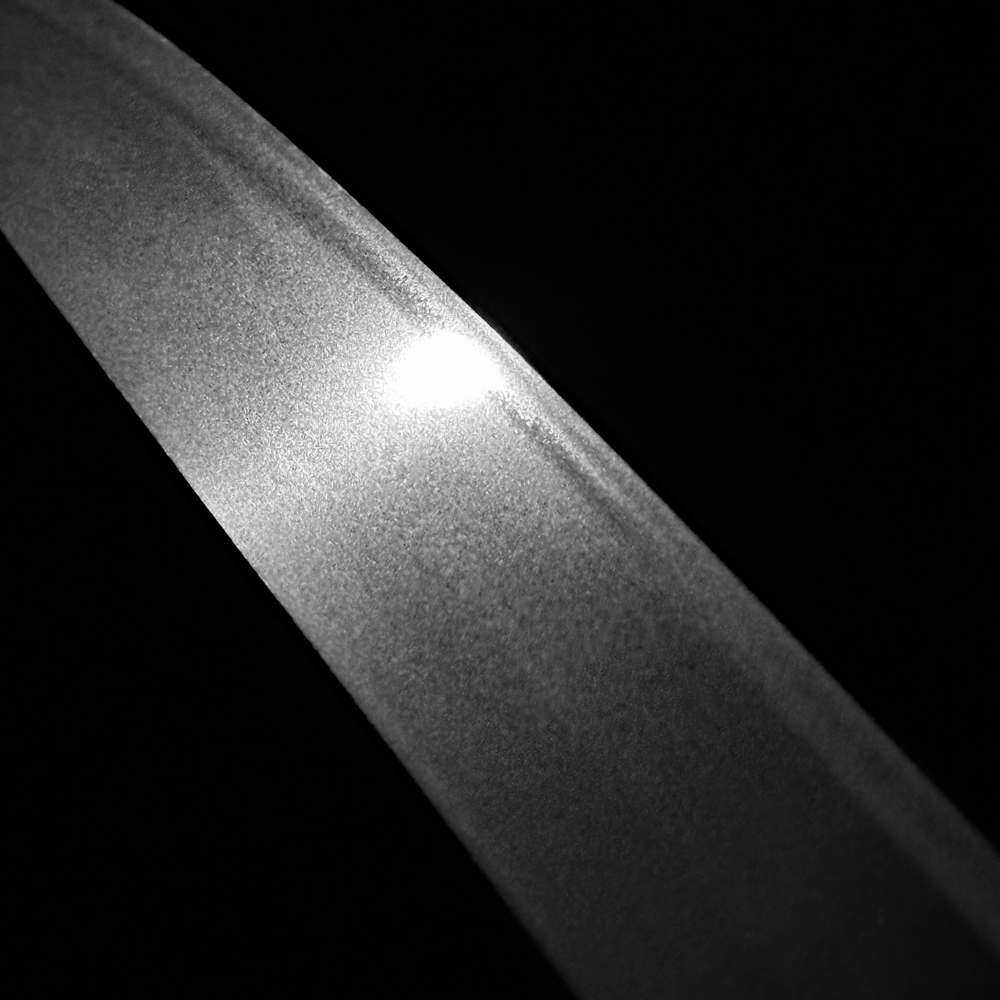
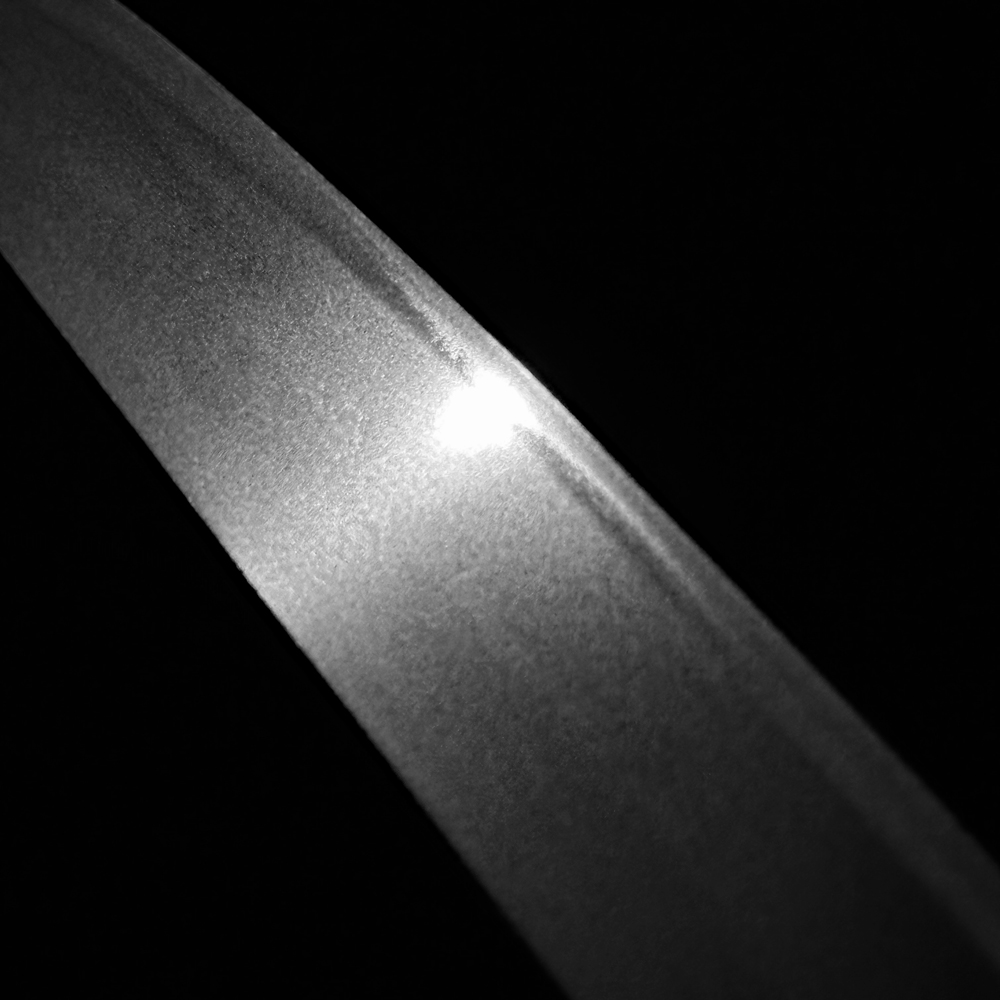
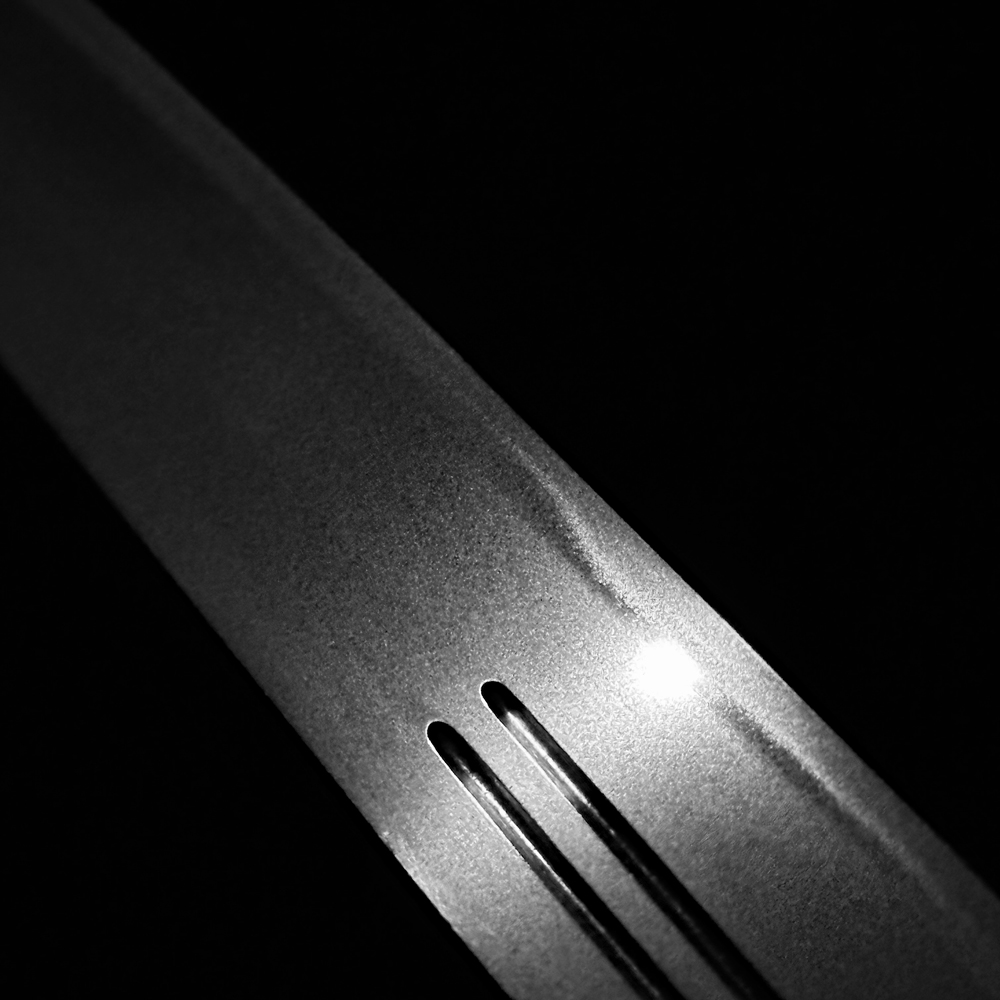
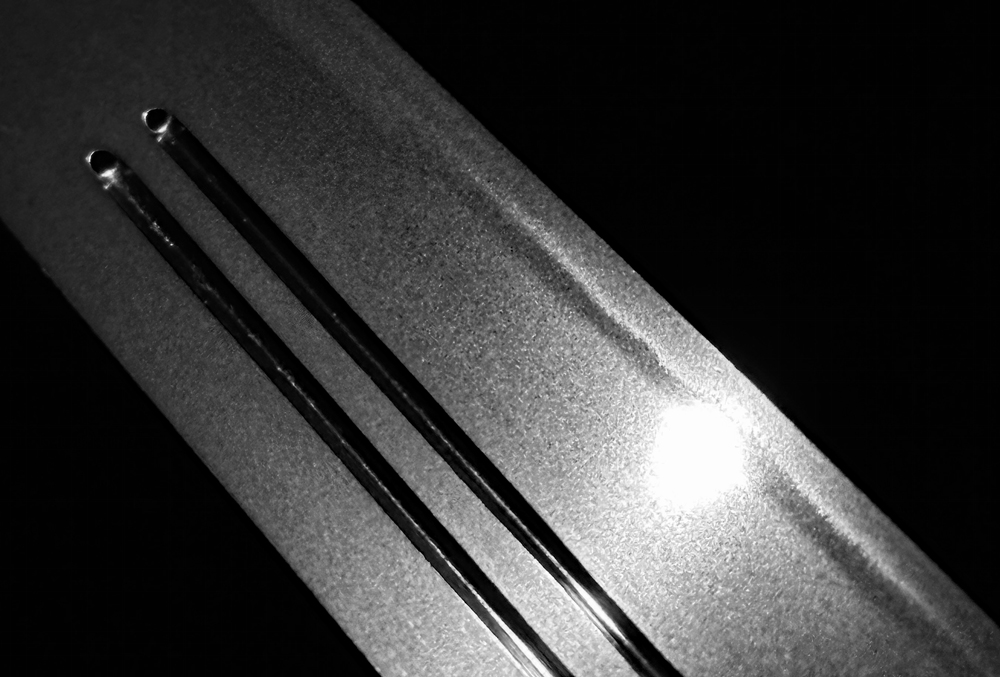
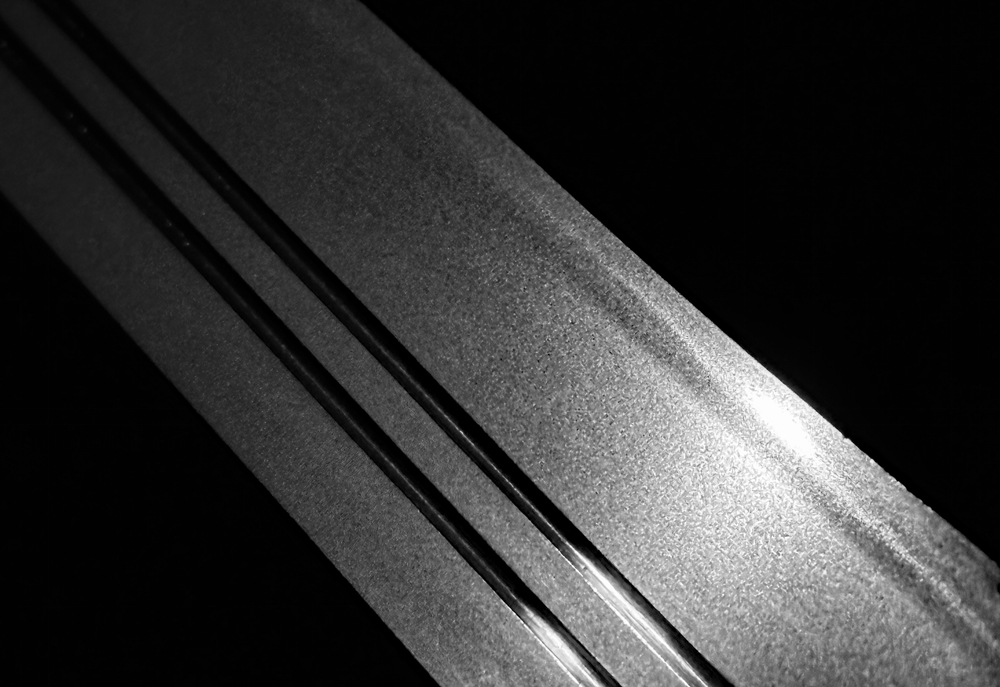
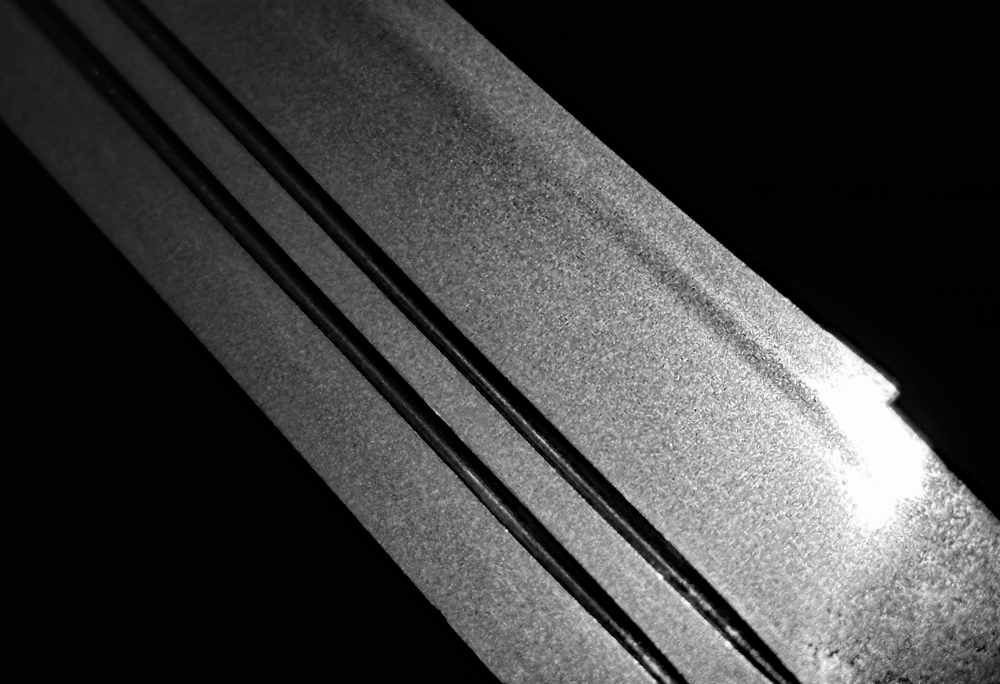
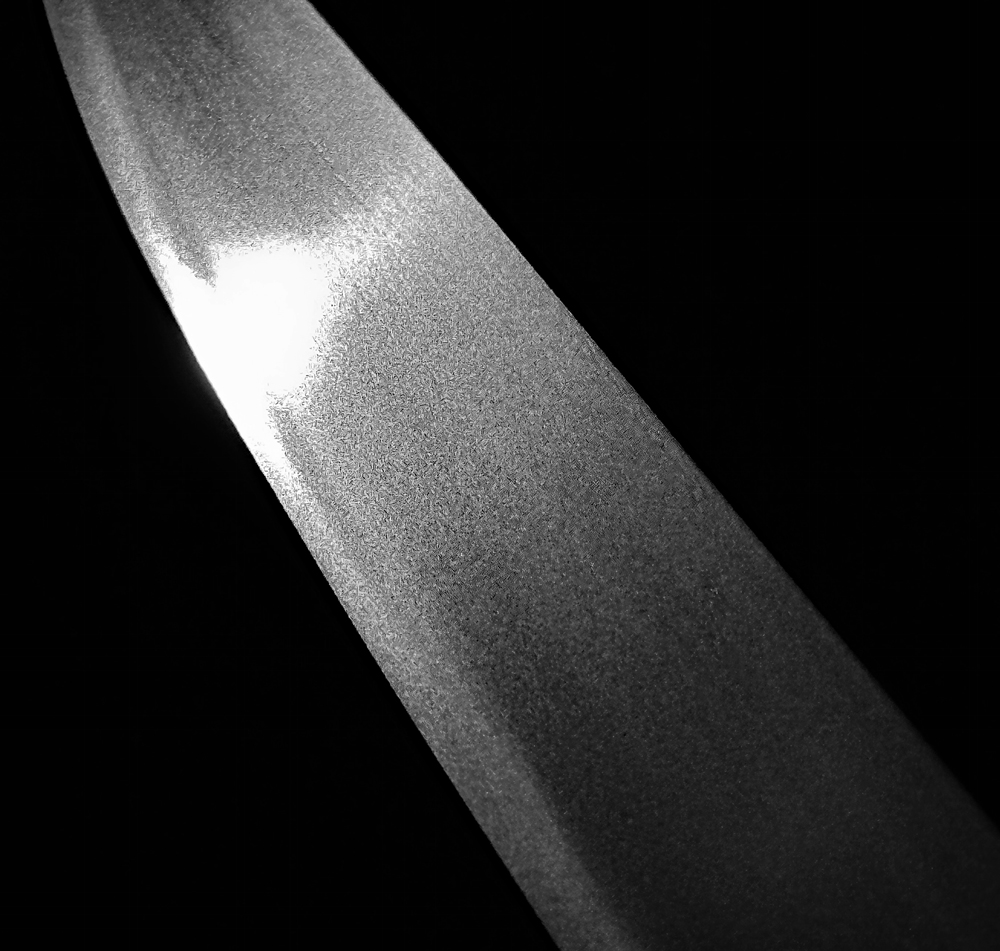
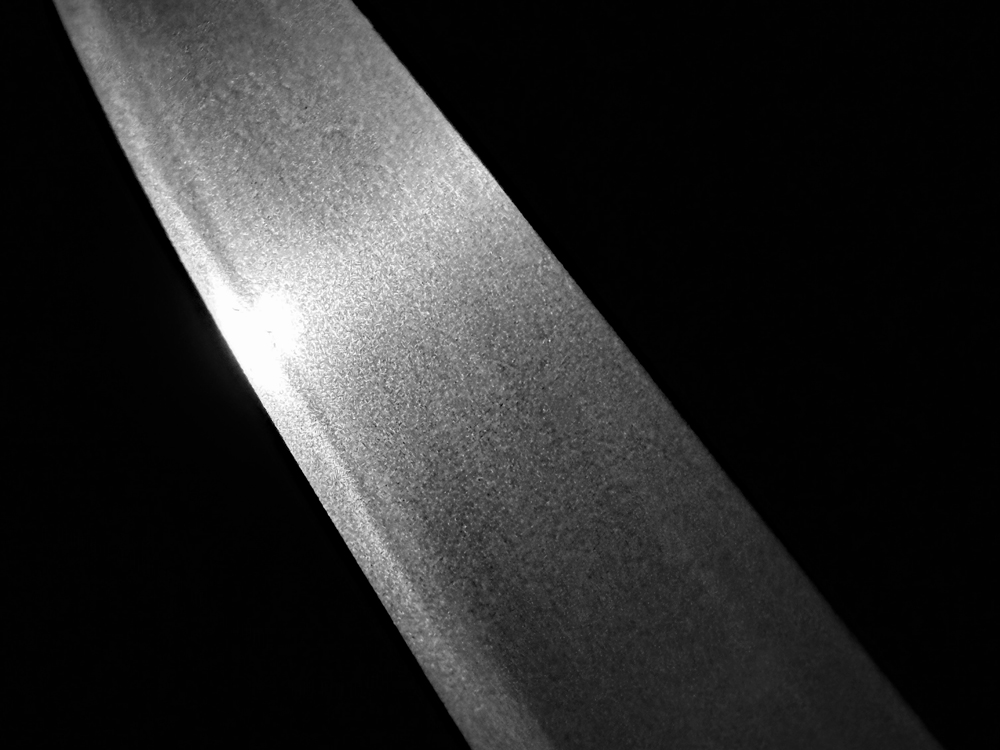
| Kitae | The jihada is a well-compacted itame-hada, with prominent o-hada appearing from the middle of the omote toward the upper portion, and abundant ji-nie. | ||
| Hamon | Suguha-based hamon with small notare elements, well covered in ko-nie, with a bright and clear nioiguchi. | ||
| Boushi | The boshi is sugu, with a hakikake effect, and turns back in a rounded manner. | ||
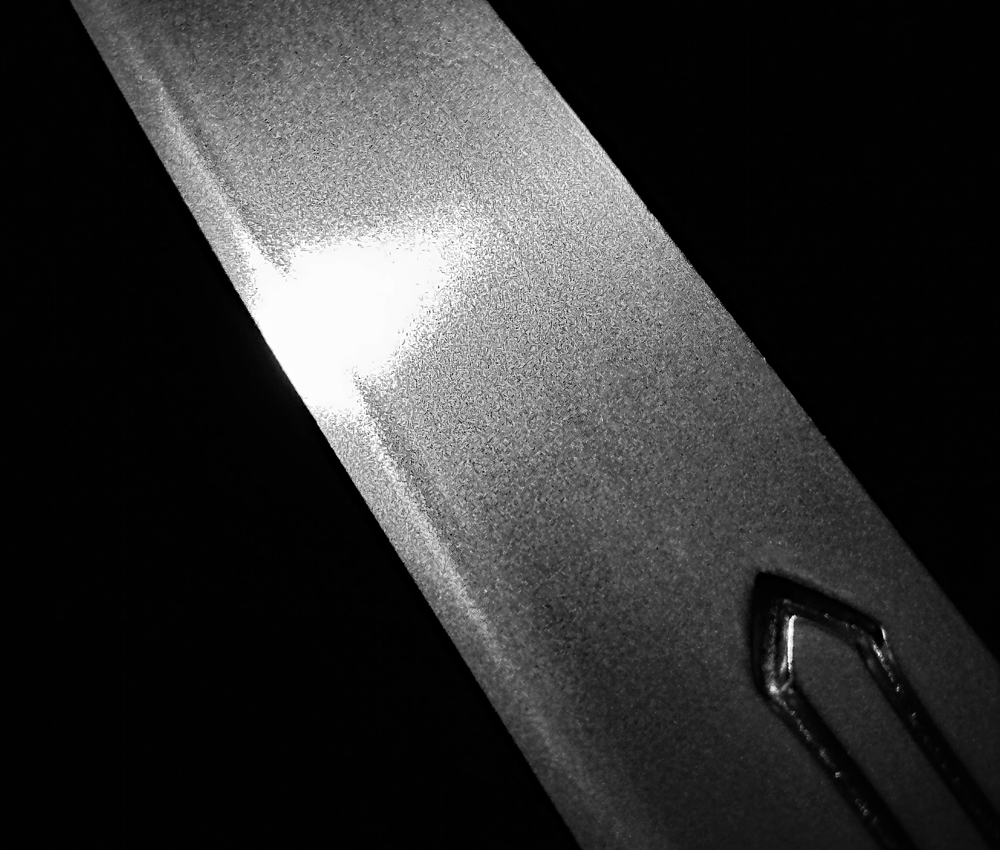
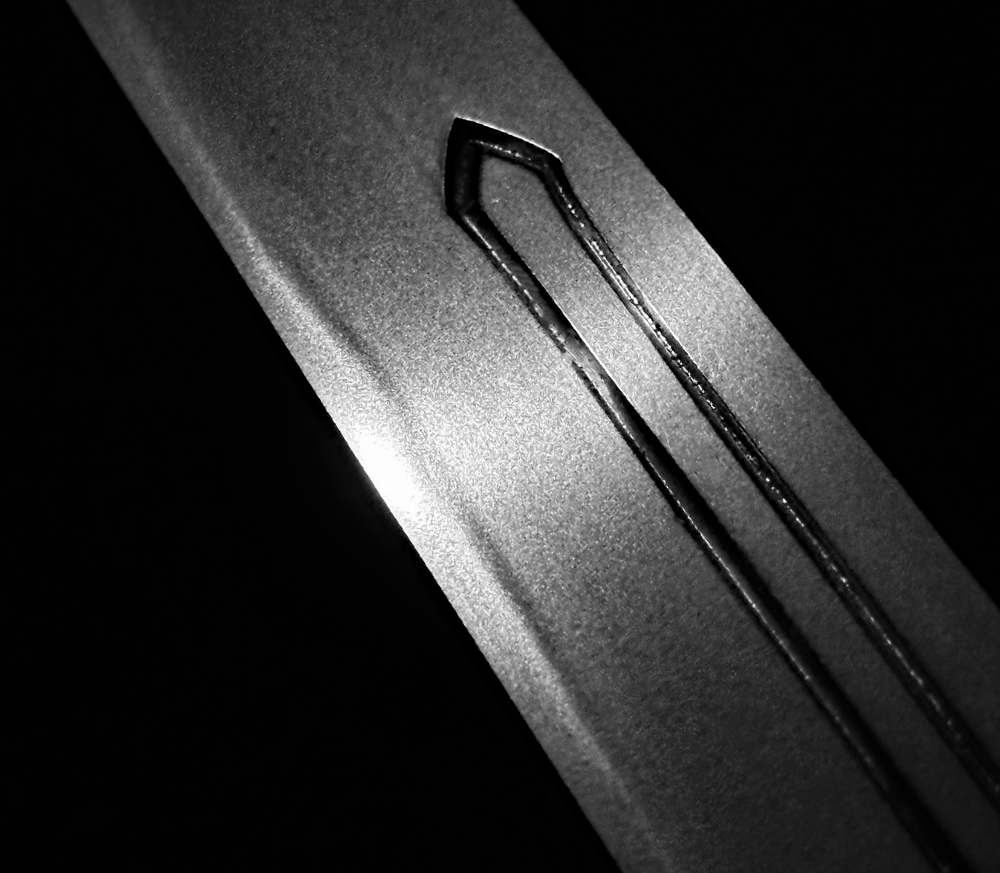
| Hori | Omote: Suken; Ura: Gomabashi. | ||
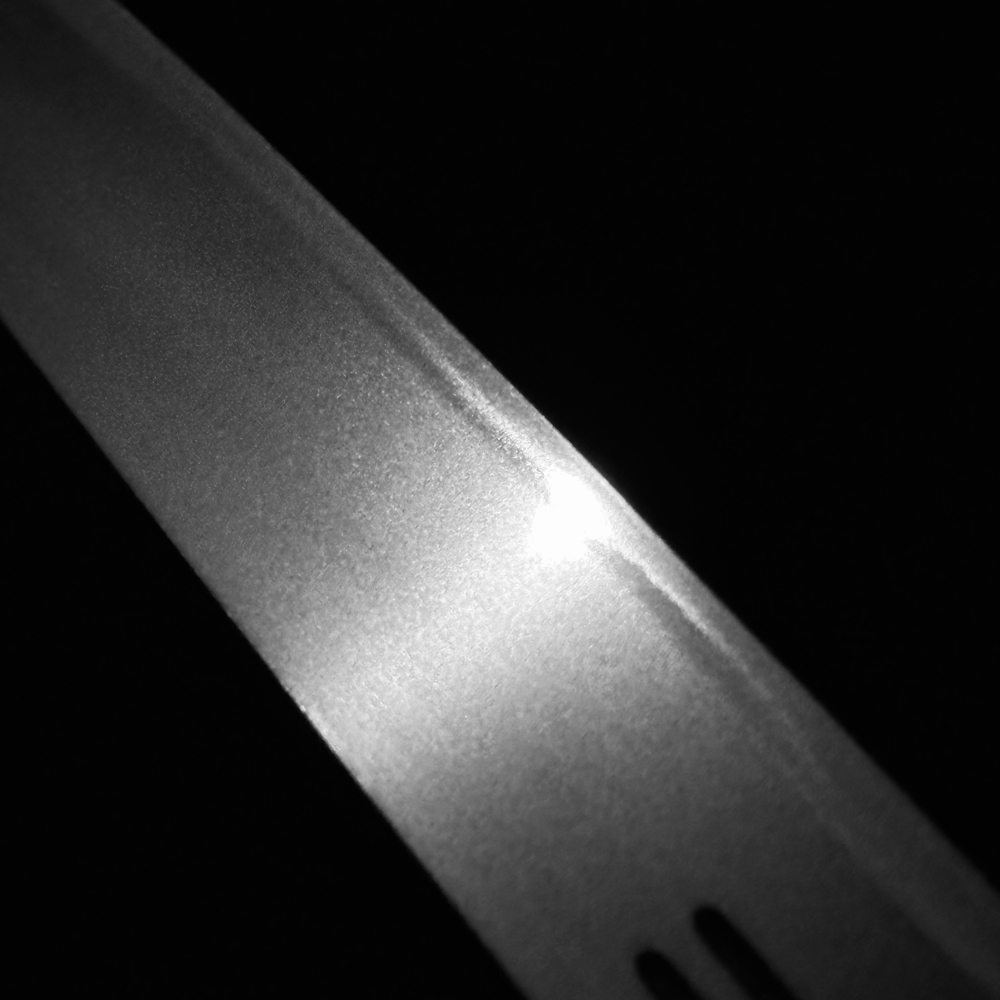
| Nakago | Ubu nakago, kiri-jiri, kiri yasurime, three mekugi-ana. | Kin nashiji saya with scattered hollyhock crests, in gold and silver maki-e, aikuchi tantō koshirae | |
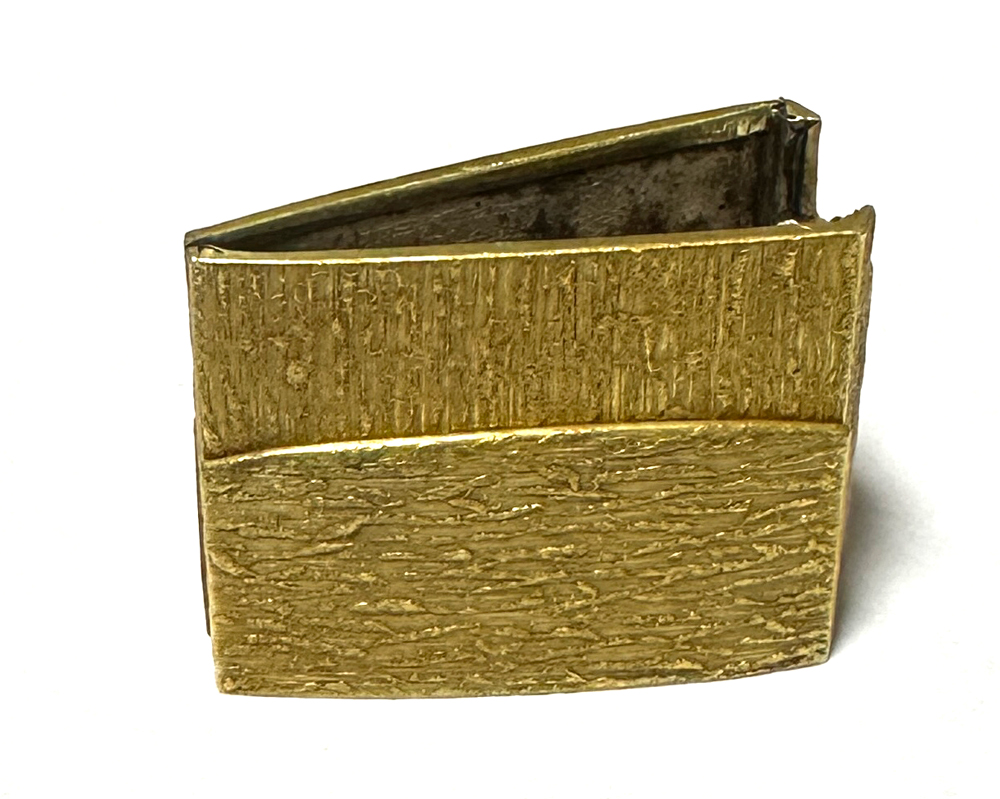
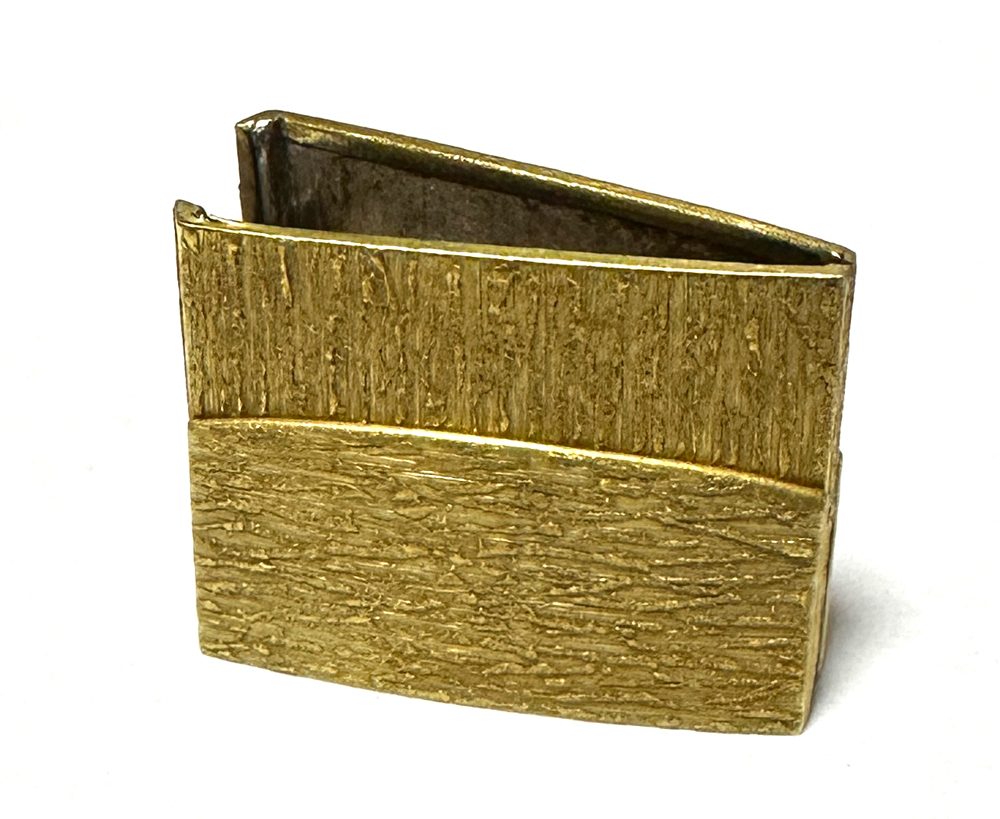
| Accessories | Shirasaya (with a sayagaki by Hon'ami Kōsa [Chūjo]) · Gold-covered double habaki · Kin nashiji saya with scattered hollyhock crests, in gold and silver maki-e, aikuchi tantō koshirae | ||
| Menuki | Three Paired Hollyhock Crest Motifs | ||
| Kozuka | Three Paired Hollyhock Crest Motifs | ||
| Details | This is a typical tantō by Rai Kunimitsu. Works by this smith include both relatively large and smaller examples, with the largest being the famous Meibutsu “Arakiburai Kunimitsu.” This blade was made by Rai Kunimitsu in the late Kamakura period and displays the characteristic straight, uncurved shape of the period, with the blade and jihada both remaining in excellent condition. Distinctive features include the appearance of Rai-hada on both the omote and ura. The engravings of a suken and gomabashi are characteristic motifs frequently seen on works by Rai Kunimitsu and are executed with considerable skill. The blade is accompanied by an antique saya bearing a sayagaki by Hon'ami Kōsa (Chūjo), a noted sword appraiser of the late Edo period. |
||
| Accessories | Shirasaya (with a sayagaki by Hon'ami Kōsa [Chūjo]) · Gold-covered double habaki · Kin nashiji saya with scattered hollyhock crests, in gold and silver maki-e, aikuchi tantō koshirae | ||
CONTACT
SEARCH
-
PERIOD LISTS
Koto|Shinto|Shinshinto|GendaitoPRICE LISTS
~¥500,000 JPY|¥510,000 JPY~¥1,000,000 JPY|¥1,010,000 JPY~¥2,000,000 JPY|¥2,010,000 JPY~¥3,000,000 JPY| ¥3,010,000 JPY~¥4,000,000 JPY|¥4,010,000 JPY~¥5,000,000 JPY|¥5,010,000 JPY~¥10,000,000 JPY|¥10,010,000 JPY~ |Please contact us -
PAPER LISTS
Important art appraisal|Others|No appraisalJpanese Swords
NBTHK Tokubetsu Jyuyo|NBTHK Jyuyo|NBTHK Tokubetsu Hozon|NBTHK HozonFittings
NBTHK Tokubetsu Jyuyo|NBTHK Jyuyo|NBTHK Tokubetsu Hozon|NBTHK Hozon